Key Takeaways
- Check for safety hazards before going outside.
- Document any damage with photos for insurance claims.
- Look for signs of wind damage like missing shingles.
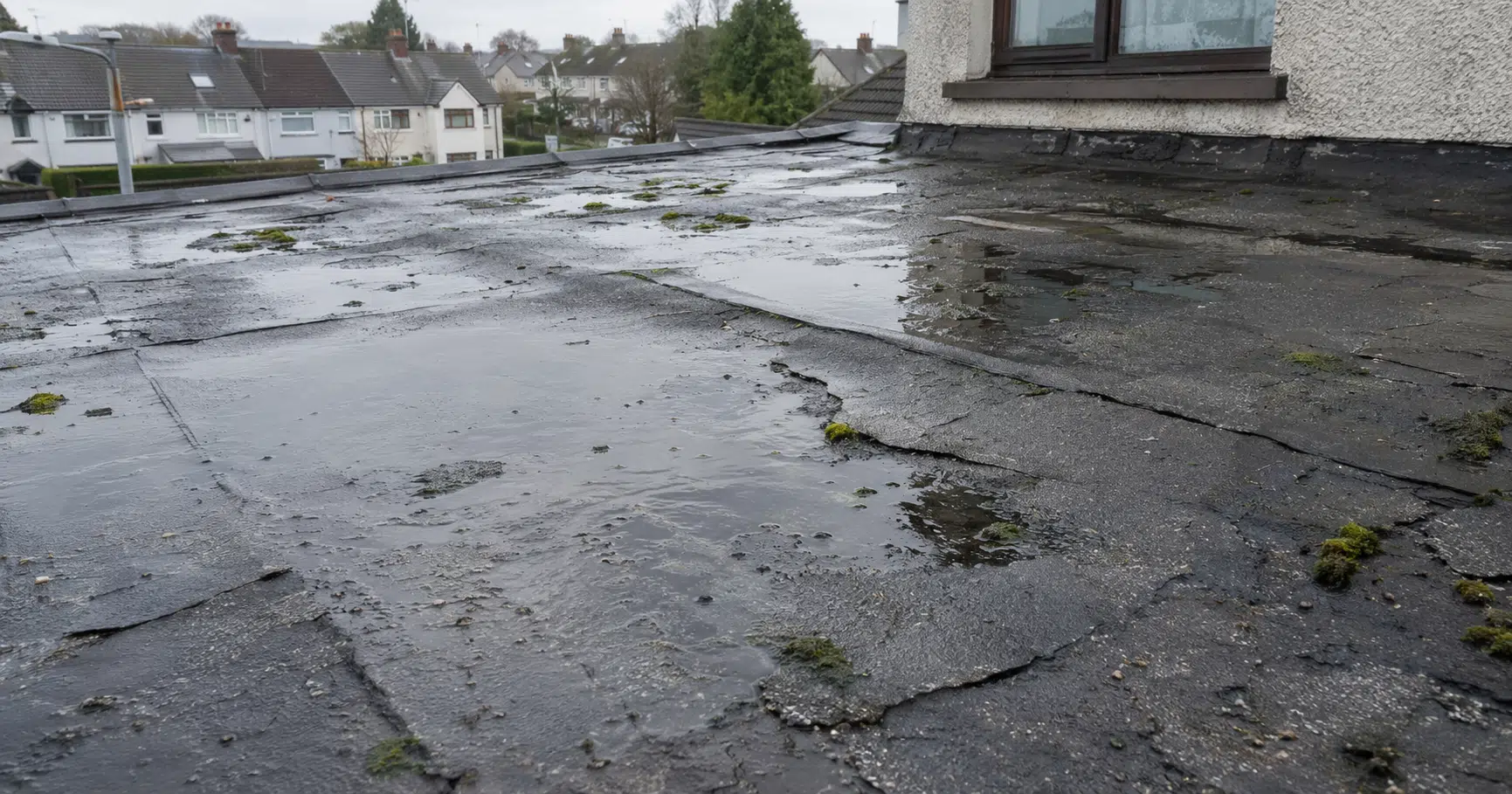
- Identify any leaks or puddles that indicate water damage.
- Use temporary fixes like tarps to prevent further issues.
Understanding Roof Damage in Dublin
Dublin, with its mix of coastal and urban environments, faces unique challenges when it comes to roof damage. From fierce coastal winds to heavy rainfall, understanding the specific risks in this area is key to protecting your home. Let’s get into what makes Dublin roofs particularly vulnerable.
Assessing the Damage: Safety First
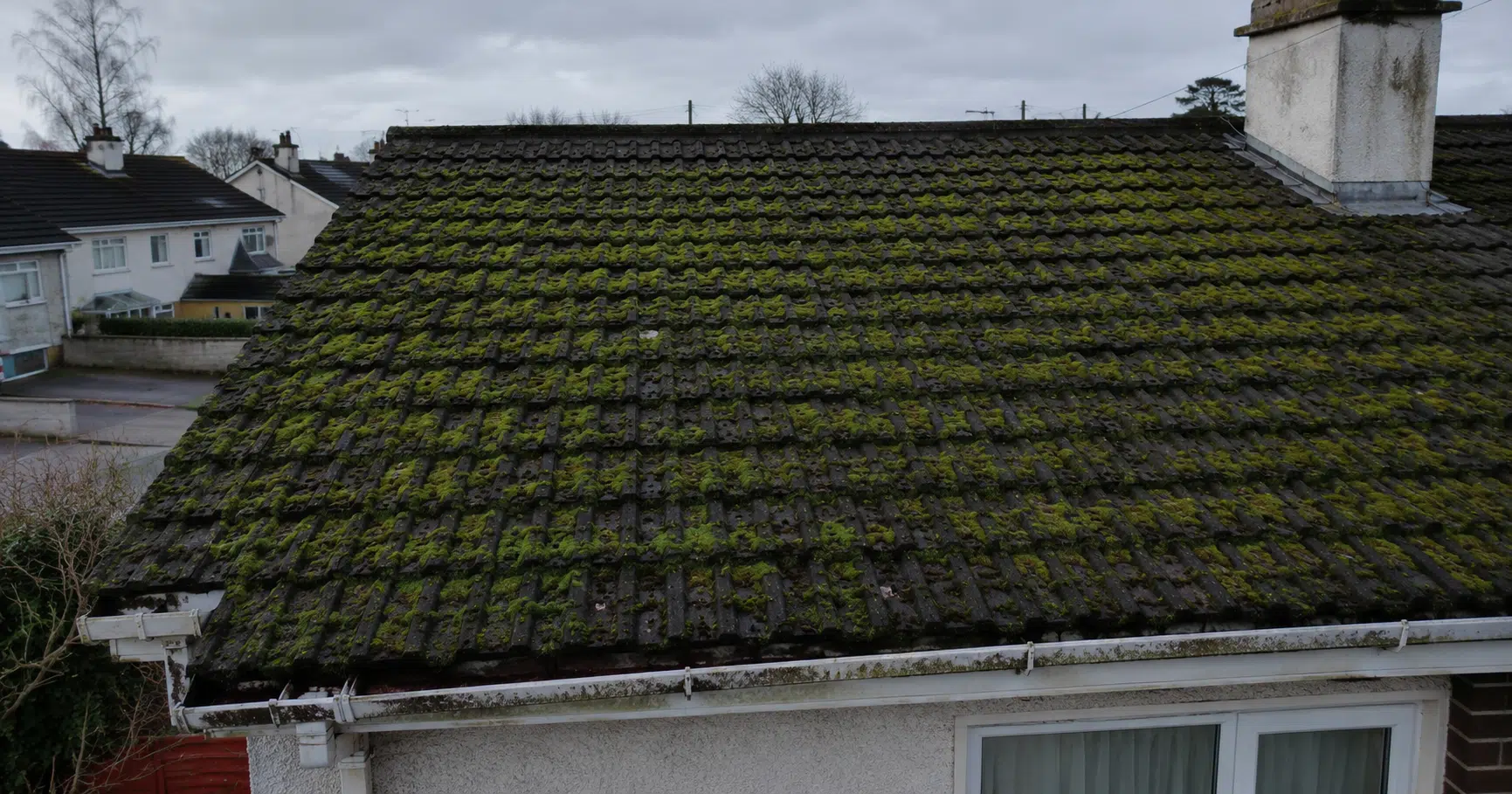
Before you even think about climbing up there, make sure it’s safe. Never go on the roof immediately after a storm if there are downed power lines or unstable structures. Wait for the all-clear from authorities. Once it’s safe, a visual inspection from the ground can reveal a lot. Look for missing shingles, sagging areas, or any obvious signs of damage. If you’re not comfortable or able to do this yourself, consider calling someone for a storm damage roof inspection.
Documenting the Damage for Insurance Claims
If you spot any damage, the next step is to document everything thoroughly. Take photos and videos of the affected areas. Make sure to capture both the overall damage and close-up shots of specific issues like cracked tiles or leaks. Detailed documentation is essential when filing an insurance claim. Keep records of all communication with your insurance company and any contractors you contact. This will help ensure a smoother process and a fairer settlement. Don’t forget to get a quote for emergency roof repair Dublin as well.
Living in Dublin, we’re no strangers to unpredictable weather. It’s not just about the big storms; even seemingly minor issues can quickly escalate if left unattended. Regular maintenance and prompt repairs are crucial to preventing major headaches down the line.
Wind Damage: Signs to Look For
Wind damage is a common culprit in Dublin. Keep an eye out for these telltale signs:
- Missing or torn shingles
- Curled or lifted shingles
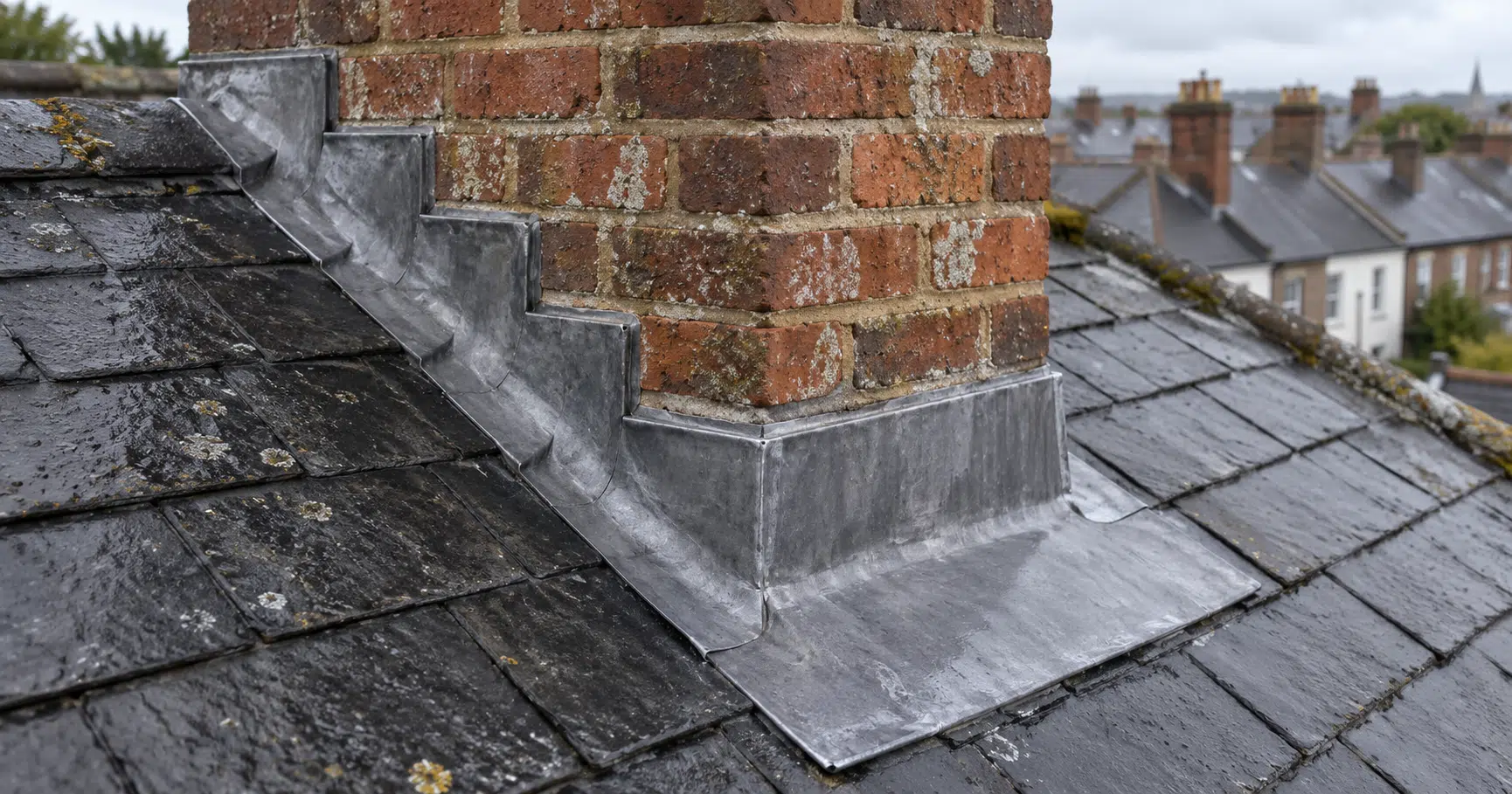
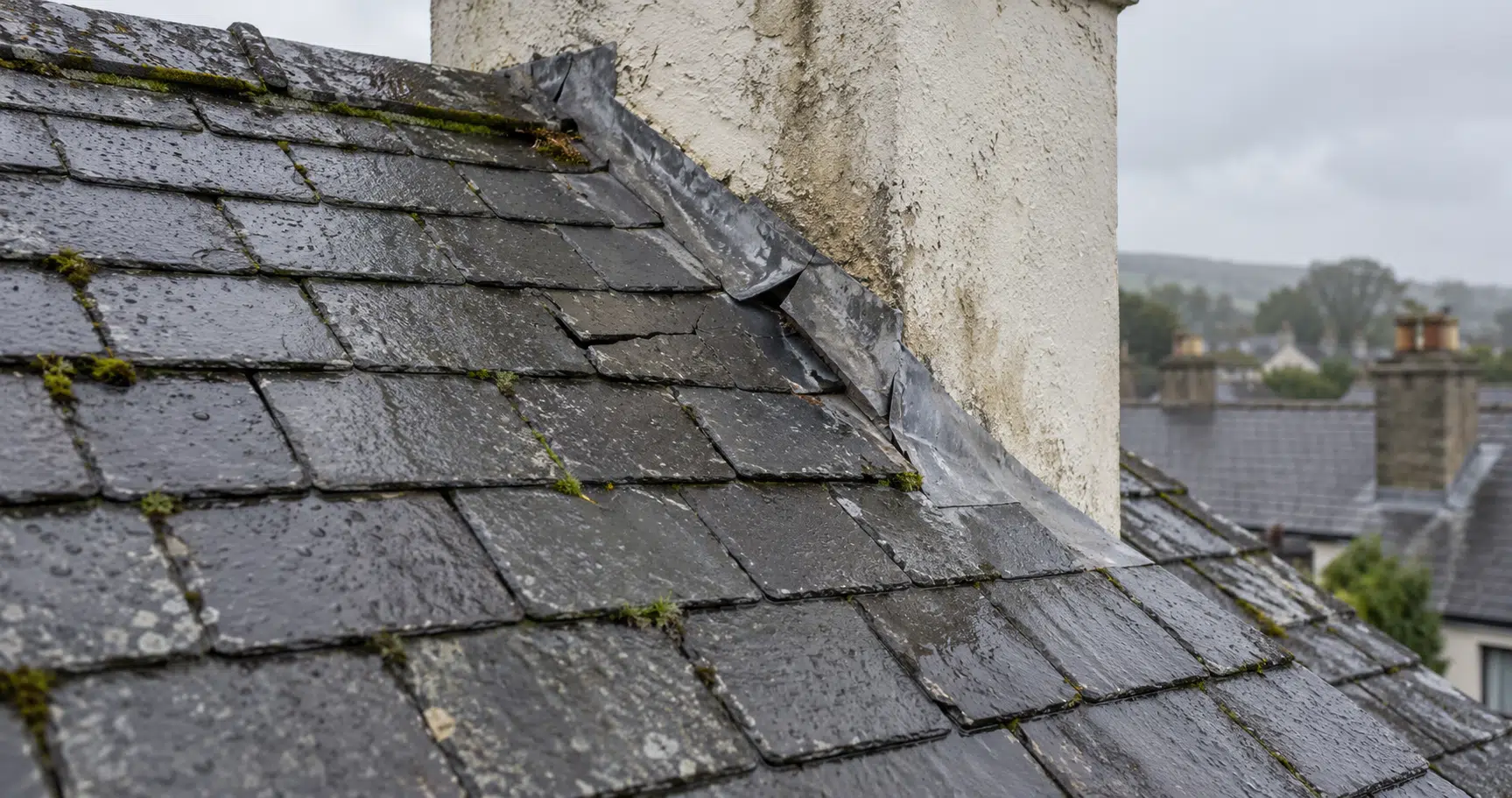
- Damaged flashing around chimneys and vents
- Debris accumulation on the roof
Even if you don’t see obvious damage, strong winds can loosen shingles, making them more vulnerable to future storms. Regular inspections can help catch these issues early. You can find some Dublin roof repair tips online.
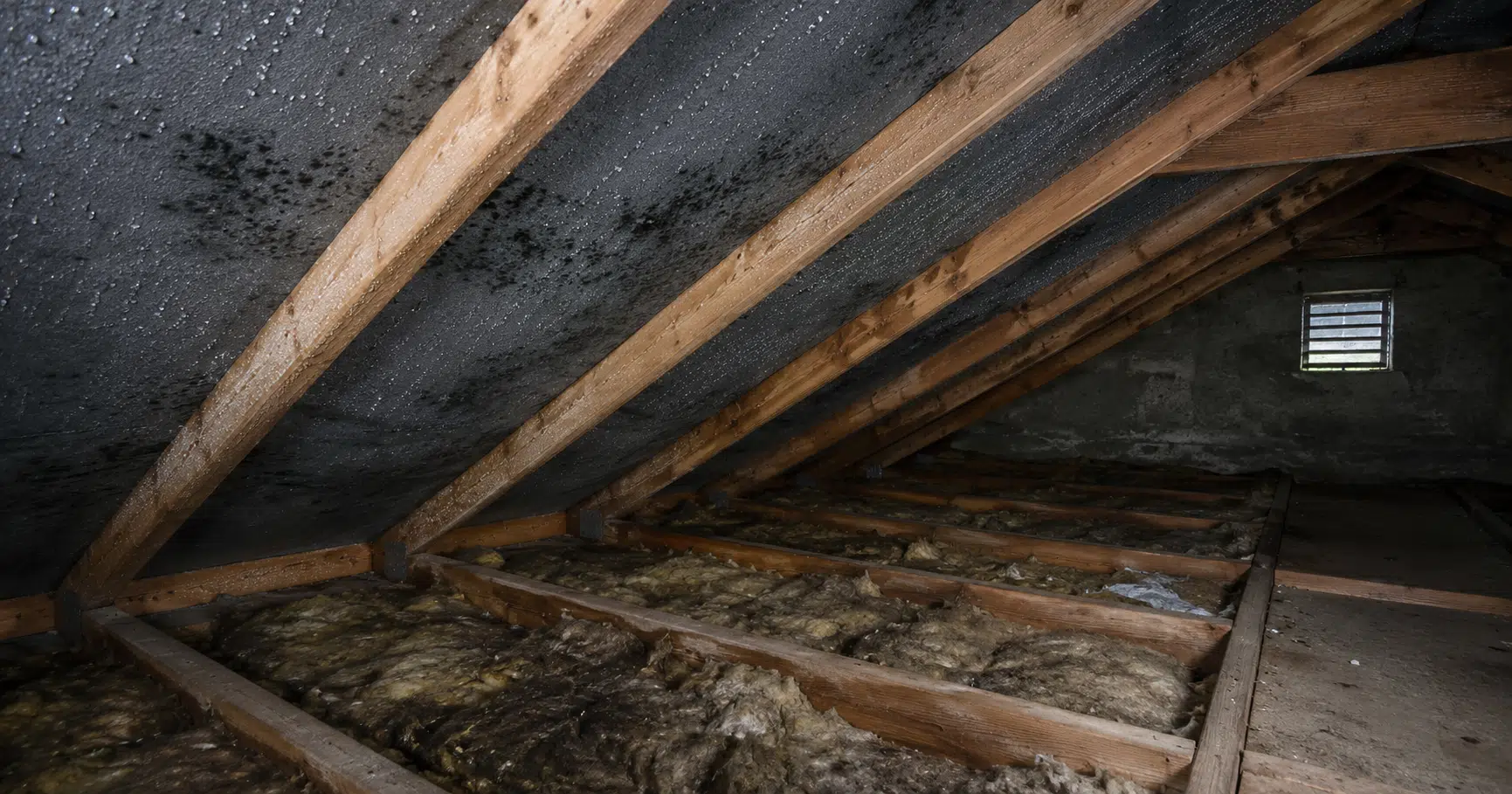
Water Damage: Identifying Leaks and Puddles
Water damage often follows wind damage, but it can also occur independently due to blocked gutters or deteriorated roofing materials. Here’s what to look for:
- Water stains on ceilings or walls
- Damp or musty odors
- Puddles in the attic or around the base of the house
- Mold growth
Even small leaks can cause significant damage over time, leading to structural problems and health issues. Addressing water damage promptly is crucial. Knowing how to assess roof damage can save you money in the long run.
Immediate Actions to Take After Storm Damage
Okay, so the storm’s passed, and you suspect your roof took a beating. What now? Don’t panic! Here’s a breakdown of the first steps after storm damage you should take to minimize further issues.
Assessing the Damage: Safety First
Before you even think about climbing onto your roof, take a deep breath and assess the situation from the ground. Your safety is the absolute priority. Look for obvious hazards like downed power lines, unstable structures, or large debris. If you spot any of these, keep a safe distance and contact the appropriate authorities immediately. Don’t risk injury to get a closer look. Once you’re sure the area is safe, you can start a visual inspection from the ground. Binoculars can be helpful for this.
Documenting the Damage for Insurance Claims
After ensuring safety, start documenting everything. This is crucial for your insurance claim.
Here’s what you should do:
- Take photos and videos of all visible damage, both inside and outside your home. Focus on roof damage, but also document any related damage to your property, like water stains on ceilings or damaged gutters.
- Make detailed notes of the damage you observe. Include the date and time of the storm, the type of damage, and any immediate actions you took.
- If possible, get a professional assessment from a roofing contractor as soon as possible. Their report will provide valuable evidence for your claim. Remember to check roof maintenance regularly to prevent future issues.
Remember, the more thorough your documentation, the smoother the insurance claim process will be. Don’t underestimate the importance of this step. It can save you a lot of headaches down the road.
Common Types of Roof Damage in Dublin
Dublin roofs, bless their hearts, take a beating. Between the wind, rain, and occasional hailstorm, it’s a wonder they hold up at all. Knowing what to look for can save you a lot of hassle and money down the road. Let’s break down the usual suspects when it comes to roof damage around here.
Wind Damage: Signs to Look For
Wind damage is a big one, especially with Dublin’s coastal location. Keep an eye out for missing or damaged shingles. It’s not always obvious, but even a few missing shingles can lead to bigger problems.
- Check for shingles that are lifted or curled at the edges.
- Look for granules (the little sandy bits) in your gutters – that means your shingles are deteriorating.
- Pay attention to the flashing around chimneys and vents; wind can easily loosen it.
After a particularly blustery day, take a quick walk around your house and give your roof a once-over. It’s easier to catch small issues before they turn into major headaches. If you notice anything suspicious, it’s worth getting a professional opinion.
Water Damage: Identifying Leaks and Puddles
Water damage is sneaky. It might not be immediately obvious, but it can cause serious structural problems if left unchecked. Early detection is key.
- Check your attic for water stains or damp spots.
- Look for discoloration on your ceilings or walls.
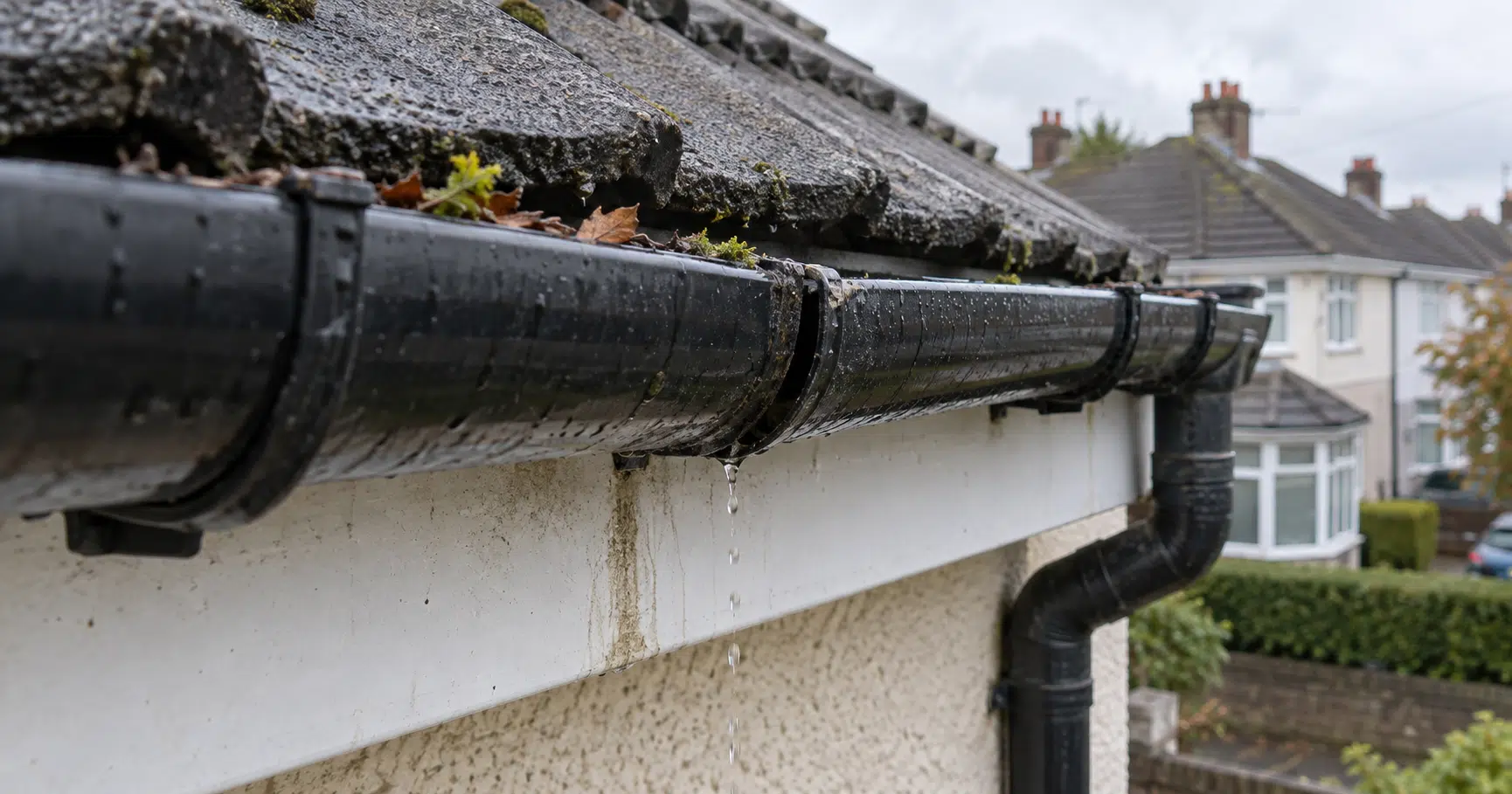
- Inspect your gutters and downspouts to ensure they’re clear and functioning properly.
If you suspect a leak, don’t delay. Water damage can lead to mold growth and rot, which are not fun to deal with. Consider contacting professional new roof repair Dublin to assess the situation. Ignoring it won’t make it go away; it’ll just make it worse.
Temporary Fixes to Mitigate Further Damage

Okay, so the storm has passed, and your roof isn’t looking its best. Don’t panic! The goal right now is to prevent more damage while you wait for a professional. These are temporary solutions, not permanent fixes, but they can make a big difference.
Using Tarps and Plastic Sheeting
This is your first line of defense against water damage. A tarp can be a lifesaver. If you have a leak, or missing shingles, covering the area with a tarp will keep rain out.
- Secure the tarp well. Use strong tape, rope, or even nails (if necessary) to hold it in place. Make sure the tarp extends beyond the damaged area to catch any runoff. You can find flat roof tips online.
- If you don’t have a tarp, heavy-duty plastic sheeting can work in a pinch. It’s not as durable, but it’s better than nothing.
- Weight down the edges of the tarp or plastic sheeting with bricks, sandbags, or anything heavy to prevent it from blowing away. Garden furniture should be stored away before the storm, as advised by experts on January 23rd.
Remember, this is a temporary fix. Tarps can degrade quickly in the sun and wind, so don’t leave them up for too long. Get a professional roofer to assess the damage and make permanent repairs as soon as possible.
Securing Loose Shingles and Tiles
Loose shingles or tiles can be dangerous and can lead to more water damage. If you can safely reach them, try to secure them temporarily.
- If a shingle is partially detached, you might be able to slide it back into place and use roofing nails to secure it. Be careful not to damage the surrounding shingles.
- For broken tiles, you can use roofing cement or sealant to glue them back together or to the roof. This is a short-term solution, but it can prevent further damage until a professional can replace the tile.
- If you can’t safely reach the loose shingles or tiles, don’t risk it. Wait for a professional. Falling from a roof is not worth it. The Community Welfare Service may offer assistance for emergency support payments after a storm.
When to Call a Professional Roofer
Okay, so you’ve had a storm, you’ve done your best with some temporary fixes, but now what? Knowing when to bring in the pros is super important. Ignoring serious damage can lead to bigger, more expensive problems down the road. Plus, let’s be real, some things are just beyond the scope of a DIY project.
Here’s a quick rundown of situations where you absolutely need to call a professional roofer:
- Extensive Damage: If a large portion of your roof is damaged – think missing shingles all over the place, big dents, or obvious structural issues – don’t even hesitate. This isn’t a patch job; it’s a major repair. You can use this roof damage checklist to help you assess the damage.
- Leaks Inside Your Home: Water stains on your ceiling or walls? That’s a sign that water is getting in, and it’s probably not just a small leak. A professional can find the source and fix it properly before it causes mold or structural damage.
- You’re Uncomfortable or Unsafe: Let’s be honest, climbing on a roof is dangerous. If you’re not comfortable with heights, or if the roof is steep or slippery, don’t risk it. It’s better to pay a professional than to end up in the emergency room.
- Insurance Claims: Dealing with insurance companies can be a headache. A professional roofer can help you assess the damage, provide a detailed estimate, and even work with your insurance company to make sure you get a fair settlement.
Think of it this way: your roof is your home’s first line of defense against the elements. If it’s compromised, the rest of your house is vulnerable. Don’t skimp on repairs or try to DIY something that’s beyond your skill level. It’s an investment in the long-term health and safety of your home.
Basically, if you’re unsure, call a pro. It’s better to be safe than sorry. They can give you an honest assessment of the damage and recommend the best course of action. Plus, a professional roofing contractor will have the right tools and experience to get the job done right, the first time.
Preventative Measures for Future Storms
Okay, so you’ve dealt with the immediate aftermath of roof damage. Now what? Let’s talk about how to keep this from happening again, or at least minimize the risk. Dublin weather can be unpredictable, but a little preparation goes a long way.
Regular Roof Inspections
Seriously, don’t skip this. Get your roof checked at least once a year, ideally twice – once in the spring and once in the fall. Look for Dublin Roof Specialists who can spot potential problems before they turn into major headaches. Think of it like going to the doctor for a check-up, but for your house. It’s way better to catch a small issue early than to deal with a full-blown crisis later. Plus, regular inspections can extend the lifespan of your roof.
Tree Trimming and Landscaping
Those beautiful trees around your house? They can become a hazard during a storm. Keep branches trimmed back so they don’t hang over your roof. Falling branches are a major cause of roof damage. Also, make sure your gutters are clear of leaves and debris. Clogged gutters can cause water to back up and damage your roof. It’s a bit of work, but it’s worth it.
Upgrading Roofing Materials
If you’re replacing your roof, consider using more durable materials that can withstand strong winds and heavy rain. There are lots of options out there, from impact-resistant shingles to metal roofing. It might cost a bit more upfront, but it can save you a lot of money in the long run. Think of it as an investment in your home’s future. Plus, a new roof can really boost your home’s curb appeal.
Securing Outdoor Items
This one seems obvious, but it’s easy to forget. Before a storm hits, bring in any loose items from your yard – patio furniture, flowerpots, kids’ toys, anything that could become a projectile in high winds. Secure anything that can’t be moved, like grills or sheds. A little bit of effort can prevent a lot of damage.
Preparing for storms isn’t just about protecting your roof; it’s about protecting your entire home and family. Taking these preventative steps can give you peace of mind knowing you’ve done everything you can to minimize the risk of damage.
Wrapping Up: Your Next Steps After Roof Damage
So, after a storm hits and you think your roof might be damaged, don’t panic. First, make sure it’s safe to go outside. Then, take a good look at your roof for any obvious issues. If you see something concerning, like missing shingles or leaks, it’s time to call in a pro. They know what to do and can help you fix things up right. Don’t forget about your insurance—reach out to them to see if you can get some help with the costs. Remember, keeping your roof in good shape is key to protecting your home. Stay safe out there!
Frequently Asked Questions
What should I do first after a storm damages my roof?
The first thing you should do is check for any safety hazards. Make sure it’s safe to go outside before you assess the damage.
How can I safely assess roof damage?
Use binoculars from a distance to look for missing shingles or visible leaks. If you need to go on the roof, ensure it’s safe and stable.
What if I find a leak after the storm?
If you find a leak, try to contain it by placing a bucket under the leak to catch water. Use towels or rags to soak up any excess water.
How do I document damage for insurance?
Take clear photos of the damage from different angles. Write down the date and details of the storm, and keep all receipts for repairs.
Can I make temporary repairs myself?
Yes, you can use tarps or plastic sheeting to cover holes. Just make sure you do it safely and securely.
When should I call a professional roofer?
If the damage is extensive or you feel unsafe, it’s best to call a professional roofer to assess and fix the damage.
How can I prevent roof damage in future storms?
Regularly inspect your roof, keep gutters clean, and trim any overhanging branches that could fall during a storm.
What types of roof damage are common in Dublin?
Common types include wind damage, where shingles are blown off, and water damage, where leaks develop due to heavy rain.