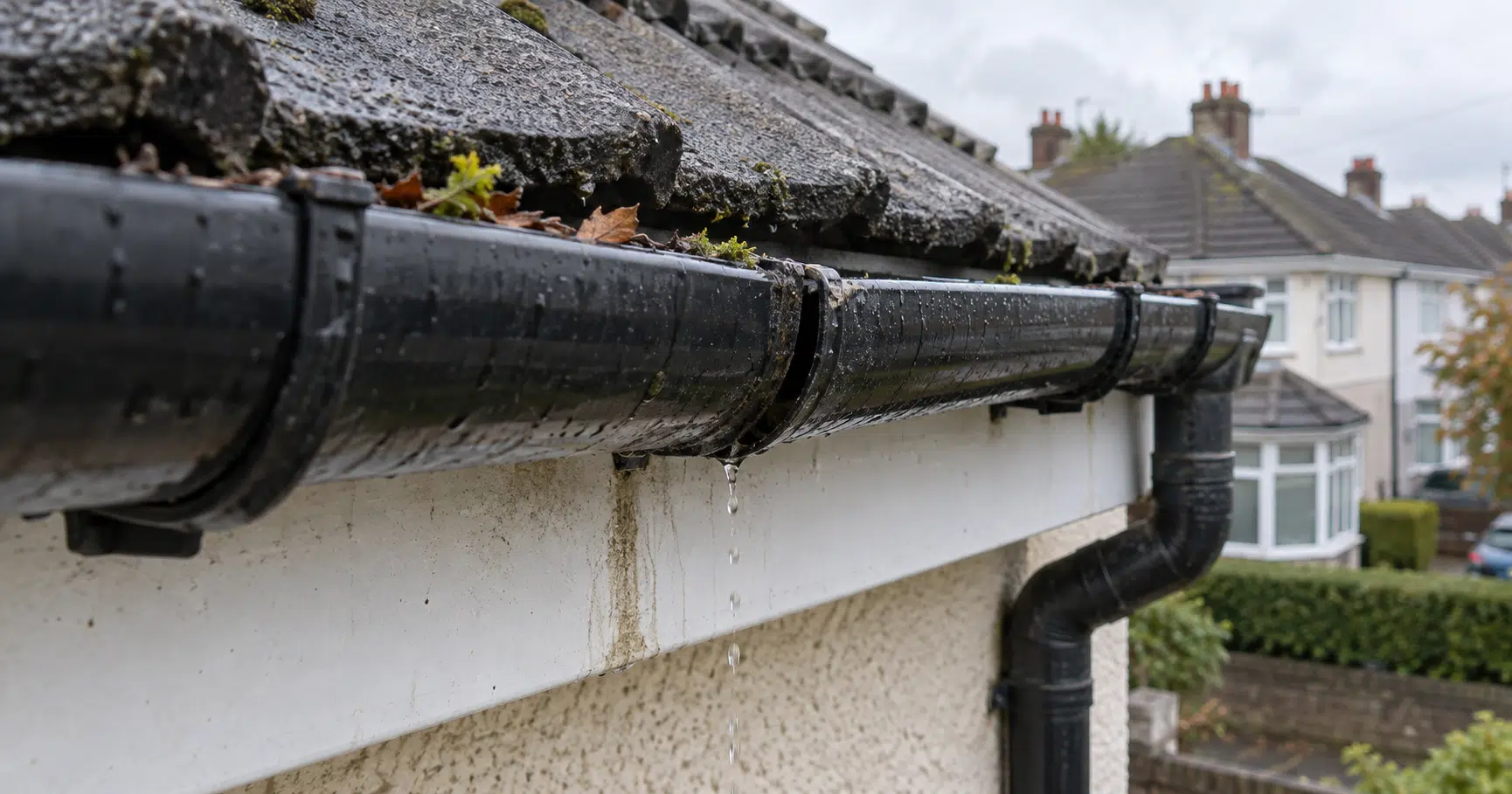
Is Your Roof Ready for Solar Panels? What to Check Before You Install
Solar panels in Ireland have gone from a niche upgrade to something half the road seems to be getting. With the SEAI grant still in place and electricity prices where they are, it's easy to see why. But there's one question that gets skipped in most solar conversations, and it's the one that matters most to us as roofers: is the roof underneath actually ready for it? Putting solar panels on your roof means fixing a system designed to last 25 years or more onto a structure that may or may not have that long left in it.
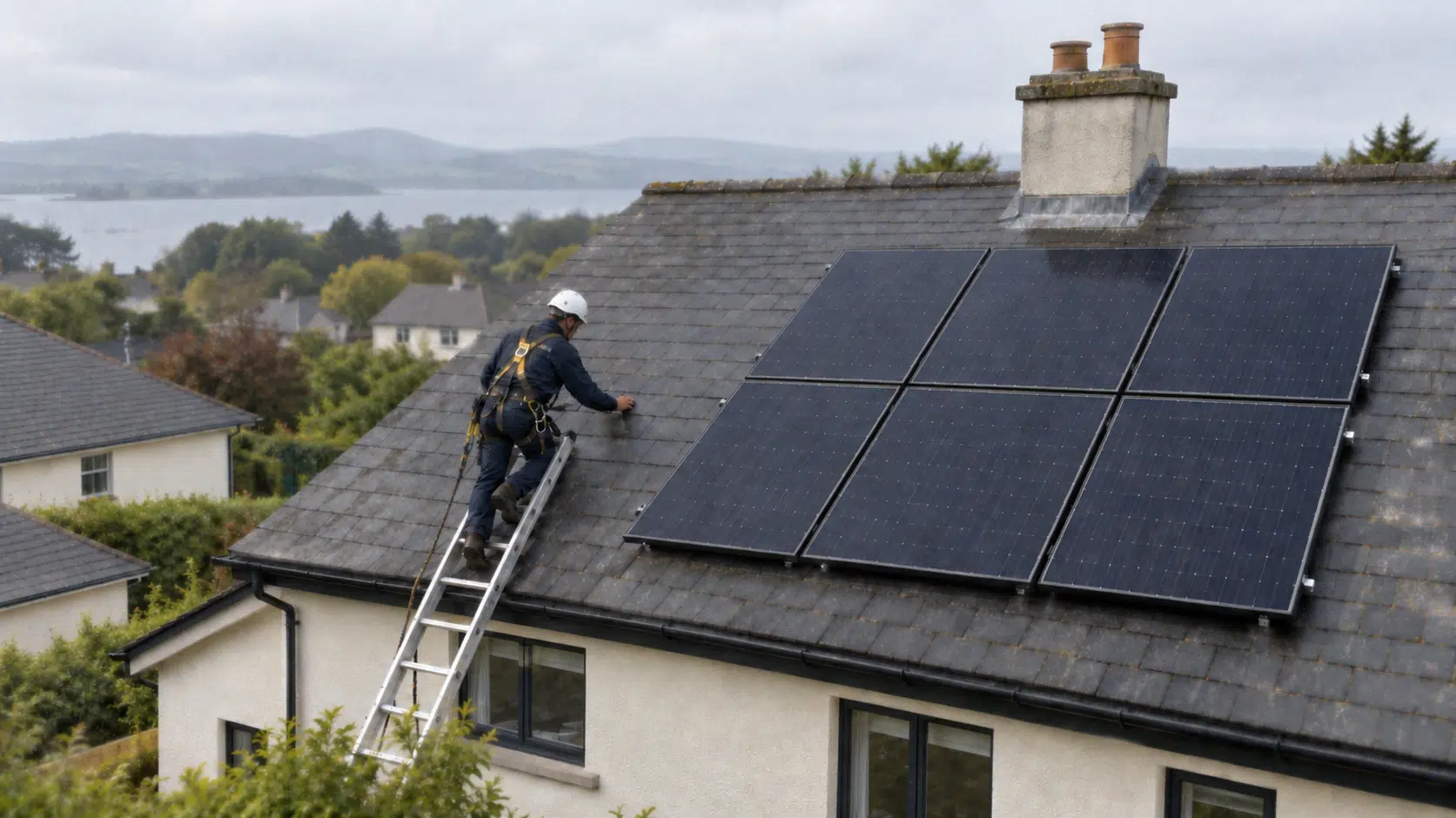
Solar panels are built to last decades, so the roof beneath them needs to as well.
Get this part right and solar is a great investment. Get it wrong and you can end up paying to take the panels down again a few years later so the roof can be fixed. This guide covers what to check before solar goes on, how different Irish roof types cope, and the grant and planning rules worth knowing.
Key Takeaways
- Panels last 25 years or more, so your roof should have at least that much life left before they go on.
- A roof survey before solar is cheap insurance against paying for scaffolding twice.
- Most leaks after a solar install start at the fixings, where hooks pass under tiles or through slates.
- The SEAI solar grant is capped at €1,800 in 2026 and covers the solar system, not roof repairs.
- Rooftop solar on houses doesn't need planning permission in most cases, with exceptions for protected structures and Architectural Conservation Areas.
Why the Roof Matters More Than the Panels
Solar panels typically come with performance warranties of around 25 years. That's the timeline you're signing up for. If your roof has 8 or 10 years left in it, the maths stops working, because at some point the panels will have to come off so the roof can be repaired or replaced. That means scaffolding again, a crew to take the system down and refit it, and the disruption of doing the job twice.
It's also about leaks. Every solar install involves fixing brackets into your roof, and every fixing is a potential entry point for water if it's not done carefully or if the roof covering around it is already tired. A roof in good condition takes those fixings well. A roof with brittle tiles, perished felt or worn flashing doesn't.
Is Your Roof Ready for Solar Panels? A 6-Point Check
Before you sign anything with a solar company or commit to solar panels on your roof, run through these six points. Some you can check yourself from the ground, others need a closer look.
1. How Old Is the Roof?
This is the first question. A concrete tile roof that's 30-plus years old, or any roof that's been patched repeatedly, deserves a proper look before solar goes on. As a rough rule, if the roof is likely to need major work in the next 10 to 15 years, do that work first.
2. Condition of the Tiles or Slates
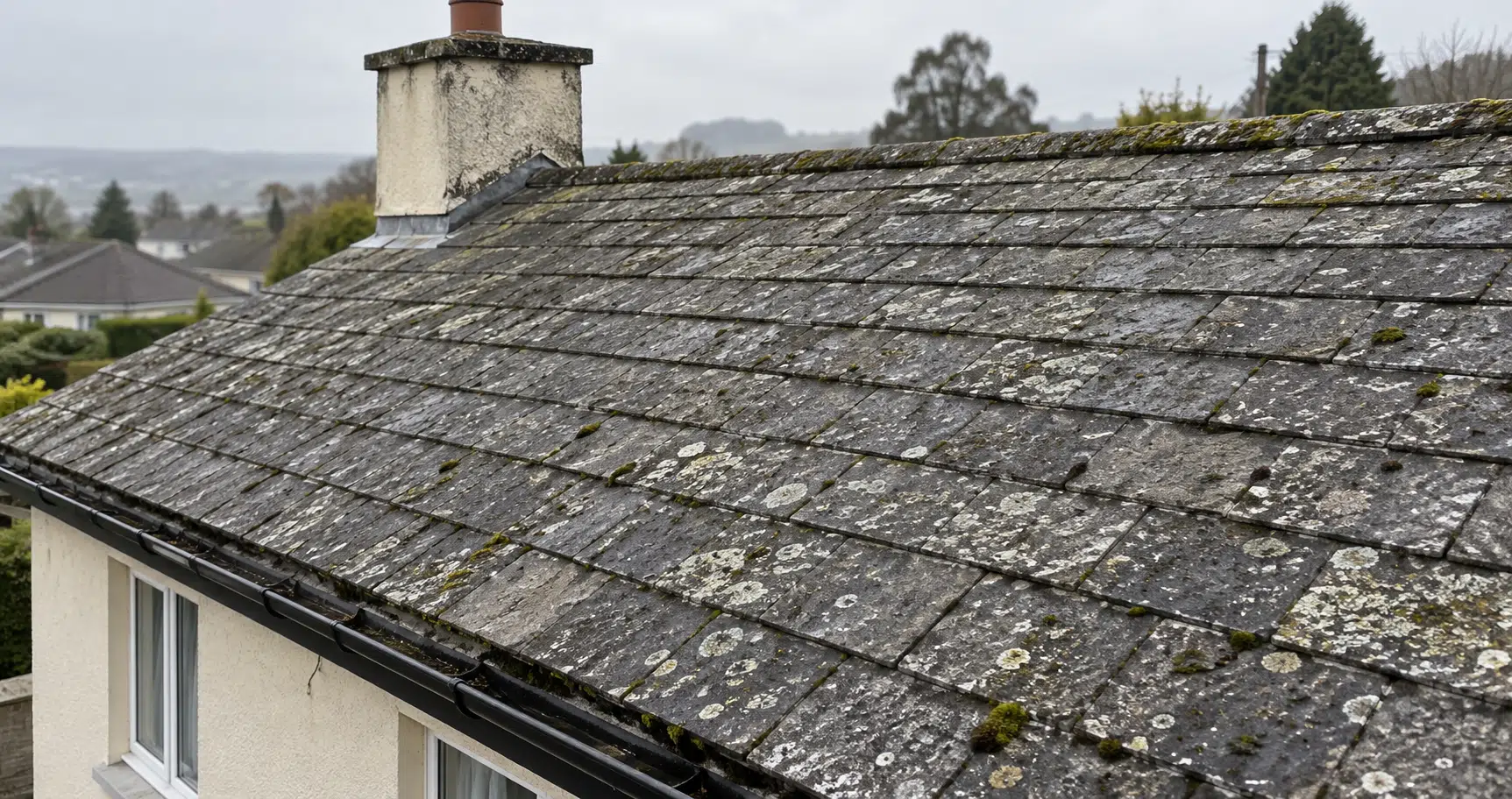
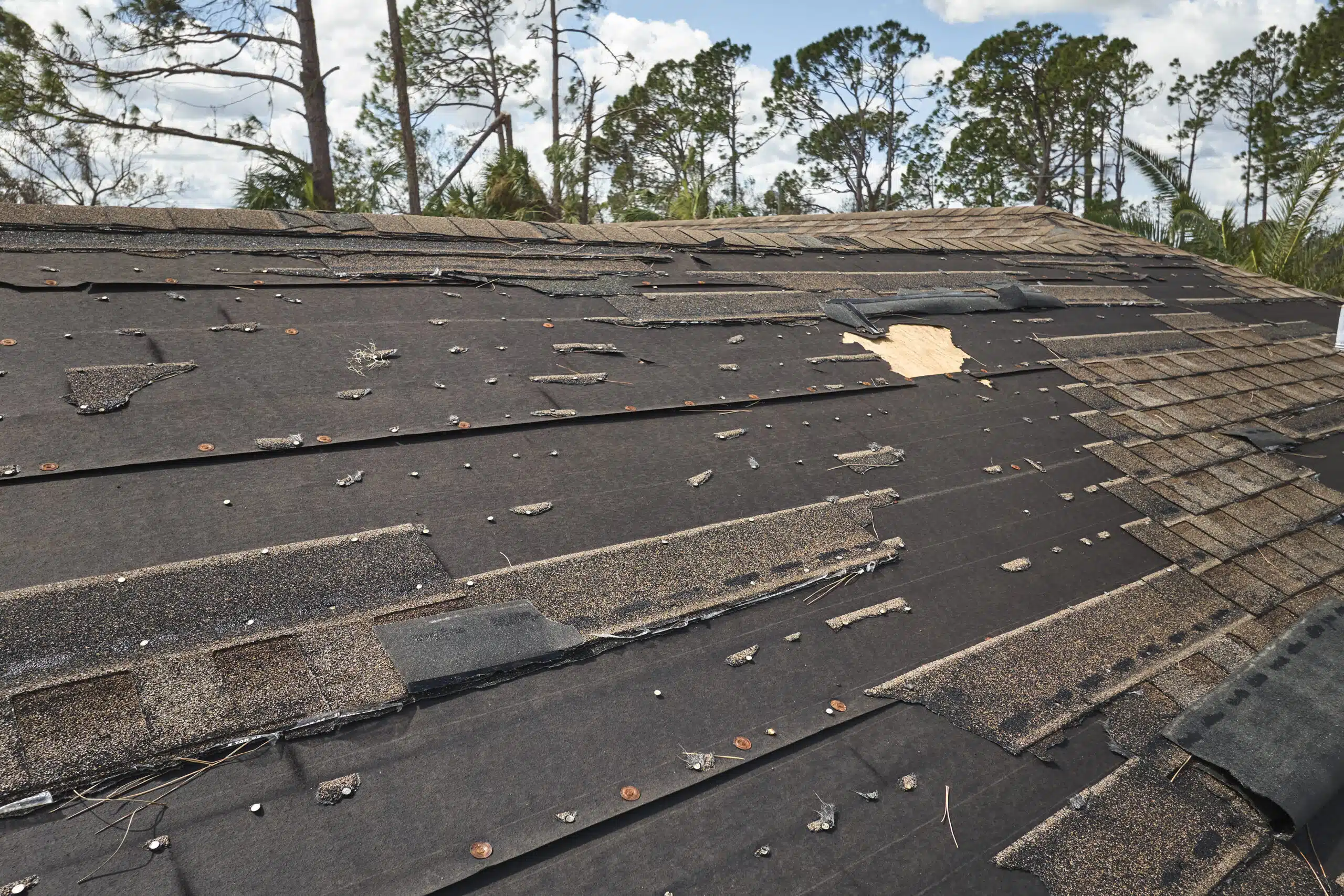
Look for slipped, cracked or missing tiles, and slates that have gone flaky or brittle. Installers need to lift and work around tiles to fit brackets, and tiles that are already fragile will crack.
3. Flashing, Ridge and Valleys
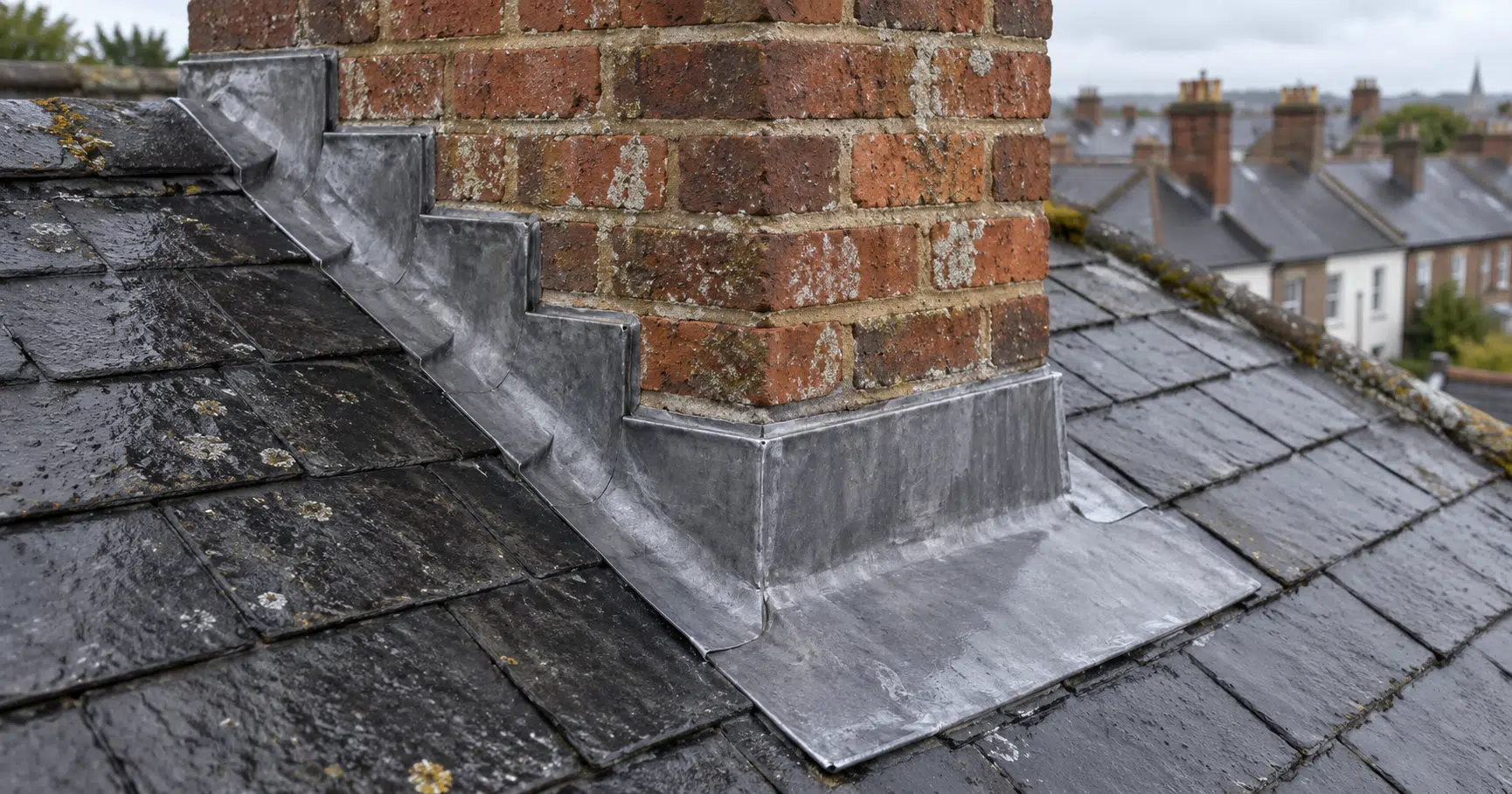
Lead flashing around chimneys, mortar on the ridge tiles and the valleys where roof slopes meet are the most common sources of leaks. Once panels are on, these areas are harder to reach, so they should be sound before the install, not after.
4. The Roof Structure
A typical solar panel weighs around 20 kg. Most sound domestic roofs carry that comfortably, but a roof with a sagging ridge line, soft timbers or signs of past water damage needs checking before extra load goes on it.
5. The Felt or Underlay
Older roofs often have bitumen felt that has become brittle or torn over the years. Since roof hooks pass close to or through this layer, perished felt underneath is a real leak risk once fixings go in.
6. Moss and General Cleanliness
Heavy moss holds water against the tiles and makes them harder to work on safely. Getting the roof cleaned before solar goes on is far easier than trying to clean around panels afterwards.
Solar Panels on Different Irish Roof Types
Not every roof takes solar the same way. Here's how the roof types we see most often across Dublin compare.
| Roof type | Suitability | What to watch |
|---|---|---|
| Concrete tiles | Very good | Hooks sit under the tiles, which need careful notching. Any tiles cracked during the install should be replaced. |
| Clay tiles | Good | More brittle than concrete, so breakages are more likely. Make sure spare matching tiles are available. |
| Natural slate | Good, with care | Slates crack easily if walked on. Fixings should use purpose-made slate hooks or flashing slates, never just a drilled slate. |
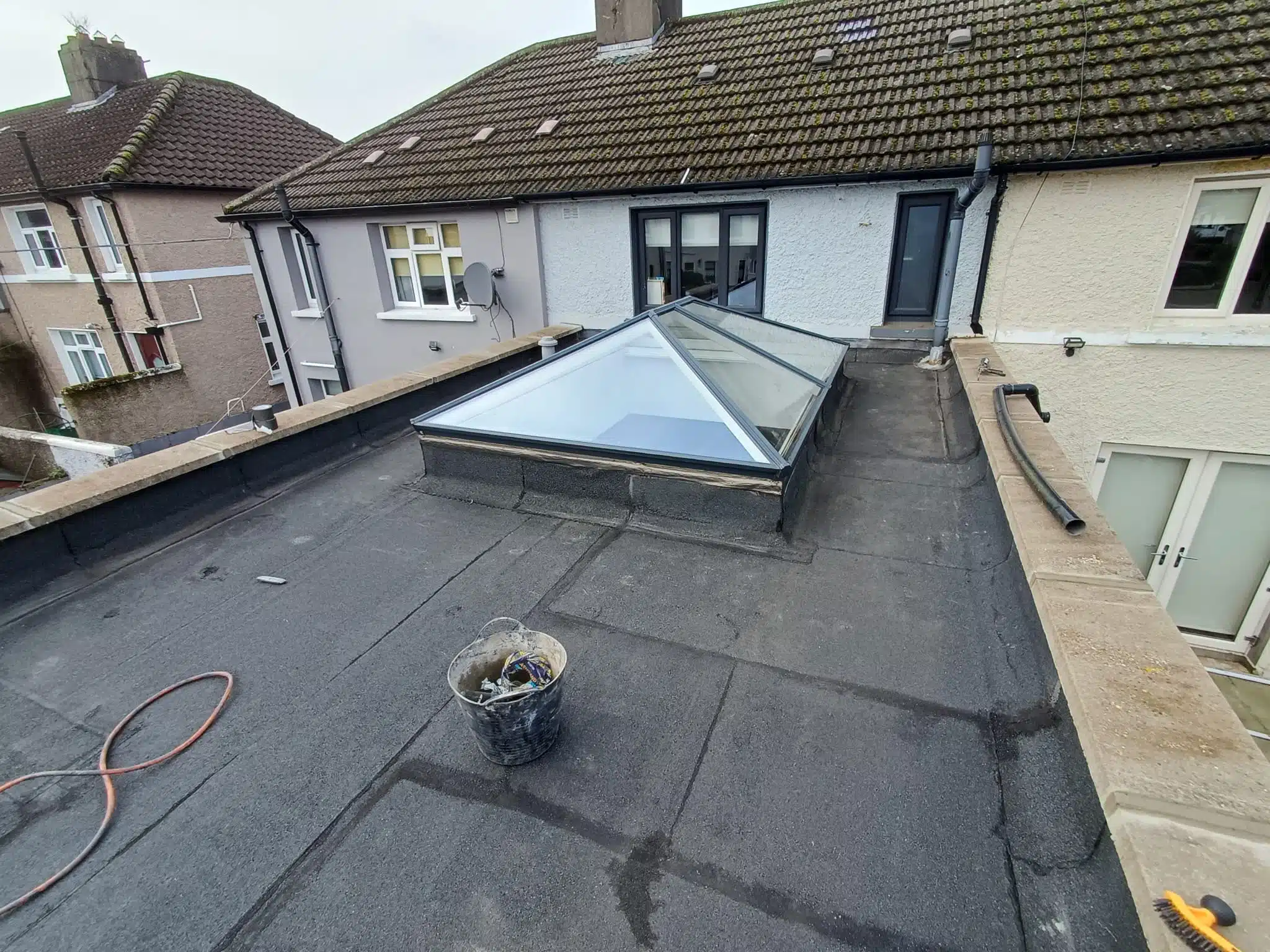
| Flat roof (EPDM, felt, GRP) | Good | Panels usually go on angled frames. The membrane must be protected and any penetrations properly sealed. |
| Fibre cement sheets | Check first | Older sheets may contain asbestos. Never drill, cut or walk on them until they've been tested. |
How Solar Panels Are Fixed to a Roof, and Where Leaks Start
On a pitched tiled roof, the panels don't sit on the tiles themselves. Metal roof hooks are screwed into the rafters underneath, pass out between the tiles, and carry aluminium rails that the panels clamp onto. Done well, the tiles sit back down over the hooks and shed water just as before. Done badly, it's one of the most common causes of new leaks we're called to.
The usual problems are tiles cracked while being lifted and put back, hooks that push tiles up so they no longer sit flat, and fixings that miss the rafter. On slate roofs, drilling straight through slates is a common shortcut that leads straight to leaks. Two other things worth knowing: pigeons love nesting in the warm, sheltered gap under panels, so ask about bird mesh, and the installer should replace any tiles they break, not just put the pieces back.
Re-Roofing Before Solar Panels: When It Makes Sense
If the survey shows the roof is near the end of its life, re-roofing before solar panels go on is almost always the smarter move. The big advantage is shared scaffolding: the roof can be stripped and renewed, then the solar installed on a brand new roof, often with the same scaffold still standing. You start the panels' 25-year life on a roof with decades left in it, and you avoid ever paying to take them down. If that's where you're at, our new roof installation team can work around your solar installer's schedule. If it's just a handful of problem tiles or slates, a targeted tile and slate replacement before the install is usually enough.

A roof check before installation costs far less than taking panels down later.
The SEAI Solar Grant and Planning Rules
The money side is fairly straightforward. The SEAI solar electricity grant pays €700 per kWp for the first 2kWp and €200 per kWp from 2 to 4kWp, capped at €1,800, a cap SEAI has confirmed is staying in place for 2026. Approval has to be in place before any work starts, and the system must be installed by an SEAI-registered solar company. One thing to be clear on: the SEAI solar grant covers the solar PV system, not roof repairs, so any work the roof needs is a separate cost to budget for.
On planning, rooftop solar on houses has been exempt from planning permission since October 2022, with no limit on the roof area covered. The main exceptions are protected structures and homes in Architectural Conservation Areas, where the local authority may need to assess it. The Government's solar planning exemptions guidance sets out the detail, including conditions like minimum distances from the edge of the roof. Many Dublin period homes fall into these categories, so it's worth checking before you commit.
And if you're wondering whether solar panels in Ireland make sense at all given the weather, panels generate from daylight rather than only direct sun. Met Éireann's climate data shows how sunshine varies across the year, with the long summer days doing most of the work.
Questions to Ask Your Solar Installer About Your Roof
Solar companies are experts in electrics and panels, not always in roofs. Before you sign, ask:
- How will you fix the brackets to my roof type, and will they go into the rafters?
- Who is responsible if the roof leaks around the fixings after installation?
- Will you replace any tiles or slates you break, and do you have matching spares?
- Is bird-proofing included around the edges of the array?
- Who removes and refits the panels if roof work is needed in future, and at what cost?
A word on safety, too: please don't climb onto the roof to check it yourself. Most of this can be judged from the ground with binoculars, and the Health and Safety Authority's guidance on working at height is a good reminder of why. For a proper look, a professional roof inspection will tell you honestly whether your roof is ready for solar, needs a few repairs first, or would be better replaced before the panels go on.
Planning to go solar? Get the roof checked first.
We'll survey your roof, tell you honestly whether it's ready for solar panels, and fix anything that needs doing before the installer arrives, with a clear, no-obligation price.
Get a Free QuoteFrequently Asked Questions
Can solar panels damage my roof?
Not when they're installed properly on a roof in good condition. The risk comes from poor installation, such as tiles cracked during fitting, fixings that miss the rafters, or slates drilled through, and from fitting panels to a roof that was already in poor shape. Getting the roof checked first and choosing a careful, registered installer avoids most problems.
How old is too old for a roof to have solar panels?
There's no fixed age, because condition matters more than years. As a guide, if your roof is likely to need major work within the next 10 to 15 years, it's usually better to do that work first, since the panels are designed to stay up for 25 years or more. A roof survey before solar will give you a clear answer.
Do I need planning permission for solar panels on my roof in Ireland?
For most houses, no. Since October 2022, rooftop solar on houses has been exempt from planning permission with no limit on the area covered. The main exceptions are protected structures and homes in Architectural Conservation Areas, where you should check with your local authority before going ahead.
Does the SEAI solar grant cover roof repairs?
No. The SEAI solar grant contributes towards the solar PV system itself, up to a maximum of €1,800 in 2026. Any roof repairs or re-roofing needed before the install are a separate cost, which is why it's worth knowing the condition of your roof before you budget for solar.
Can you put solar panels on a slate roof?
Yes, but it needs more care than a tiled roof. Slates crack easily if they're walked on or drilled, so the fixings should use purpose-made slate hooks or replacement flashing slates. It's worth asking your installer exactly how they'll fix to slate, and having any loose or damaged slates replaced before the panels go on.