Key Takeaways
- Frequent rain and humidity can lead to roof damage in Ireland.
- Inspect your roof regularly to catch issues like missing tiles or leaks early.
- Professional roof inspections can save you money in the long run.
- Keeping gutters clean is essential to prevent water damage to your roof.
- Know when to call a roofer for emergency repairs to avoid further damage.
Understanding The Impact Of Ireland’s Climate On Roofs
Ireland’s climate, known for its unpredictable nature, poses unique challenges to roofs. From constant rainfall to fluctuating temperatures, understanding these impacts is the first step in protecting your home.
Frequent Rainfall And Its Effects
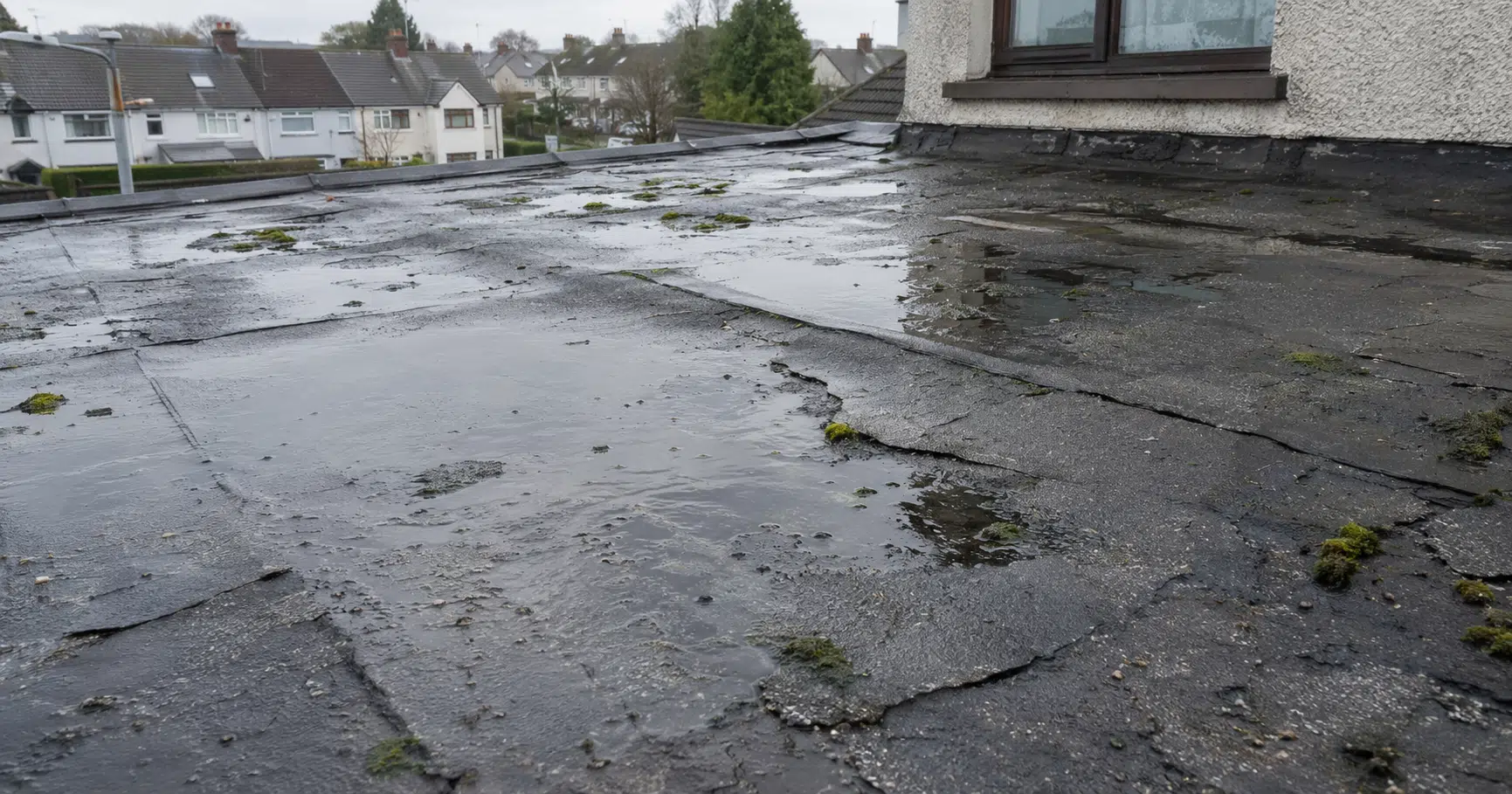
Let’s be honest, it rains a lot here. This constant exposure to moisture can lead to a whole host of problems. Water can seep under tiles, causing rot and decay in the underlying structure. Moss and algae growth are also common, further trapping moisture and potentially damaging roofing materials. Proper drainage is key; blocked gutters only exacerbate the issue. Think of it like this: your roof is in a constant battle against the elements, and rain is its primary adversary.
Temperature Variations And Roof Materials
While Ireland doesn’t experience extreme temperature swings, the daily and seasonal variations can still take a toll. Materials expand and contract with temperature changes, leading to stress and potential cracking. This is especially true for older roofs or those made with less flexible materials. Choosing the right roofing material is crucial; something that can withstand these fluctuations without failing. For example, solar panel mounting needs to be robust to handle these changes.
Humidity Levels And Roof Longevity
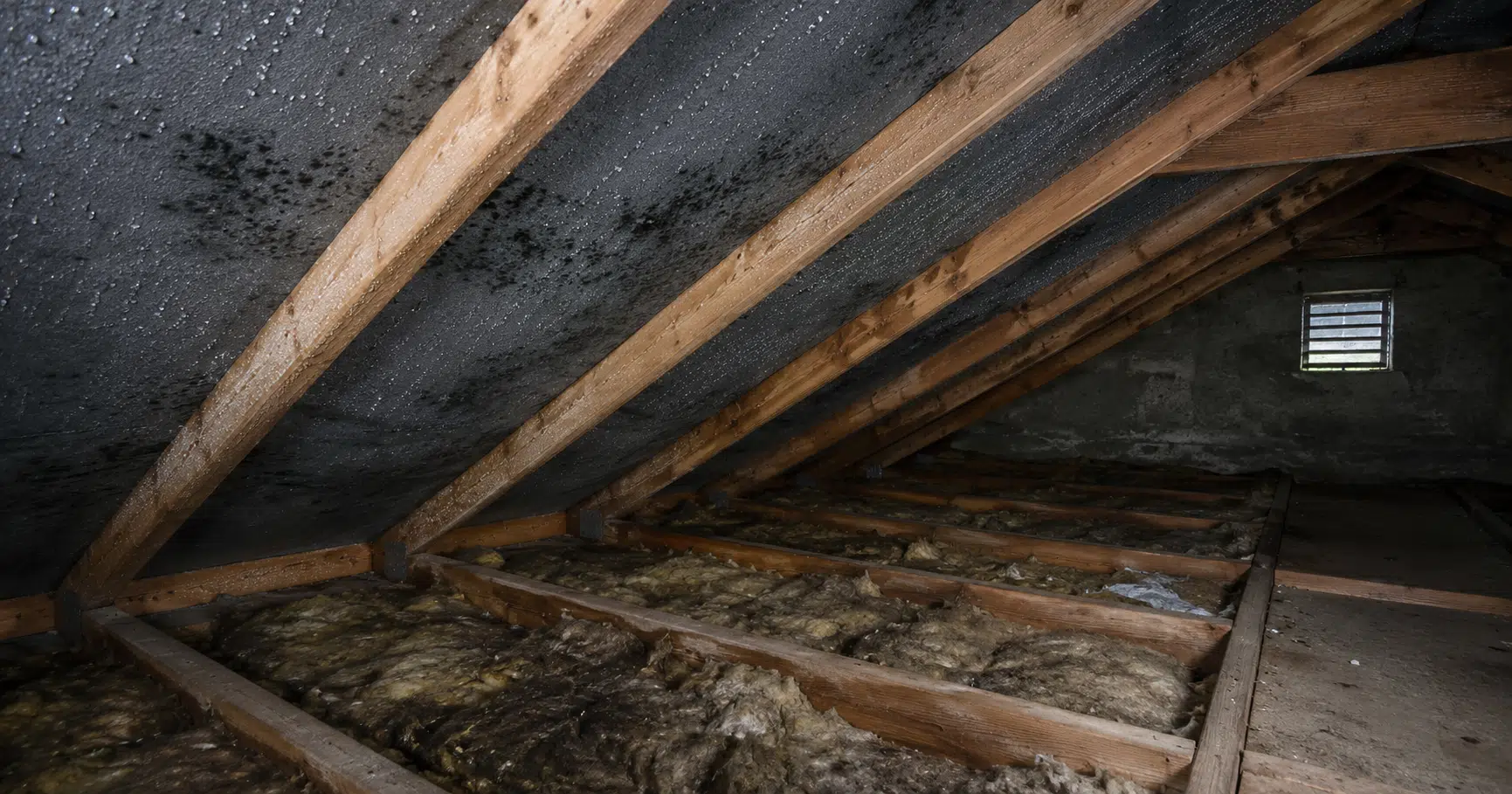
Ireland’s high humidity levels contribute to the growth of mould and mildew, not just on the surface but also within the roof structure. This can weaken the materials over time, reducing the roof’s lifespan. Ventilation is key to combating this; ensuring proper airflow can help to dry out moisture and prevent the build-up of harmful organisms. Regular roof maintenance can help mitigate these issues. It’s all about keeping things dry and well-aired to prevent long-term damage. Addressing common roof issues in Ireland early can save you a lot of money and stress down the line. Don’t ignore those little signs of trouble!
Ireland’s climate demands proactive roof care. Regular inspections and preventative measures are essential to ensure the longevity and integrity of your roof. Ignoring the weather effects on roofs Ireland can lead to costly repairs and even premature roof replacement.
Identifying Common Signs Of Roof Damage
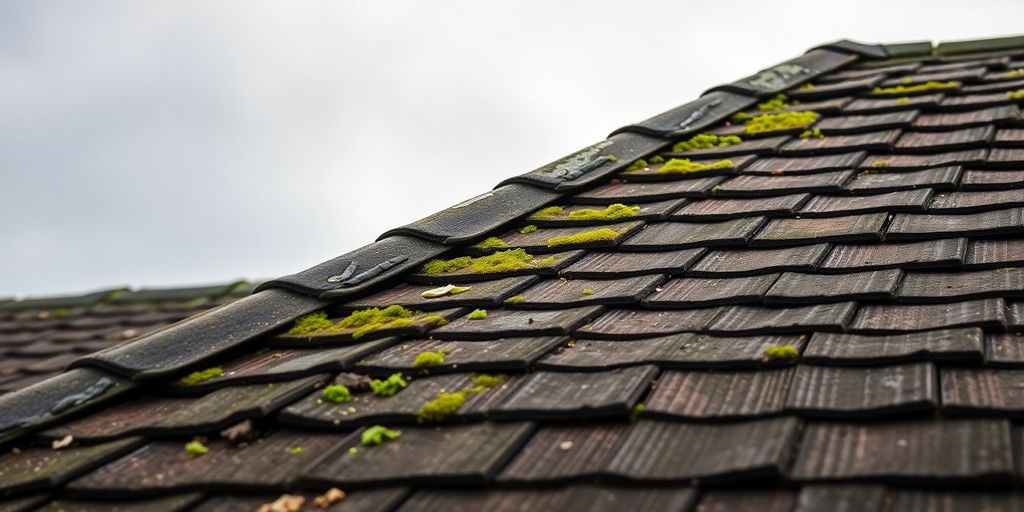
It’s really important to keep an eye on your roof. Catching problems early can save you a lot of money and hassle down the line. Here’s what to look out for:
Missing Or Damaged Tiles
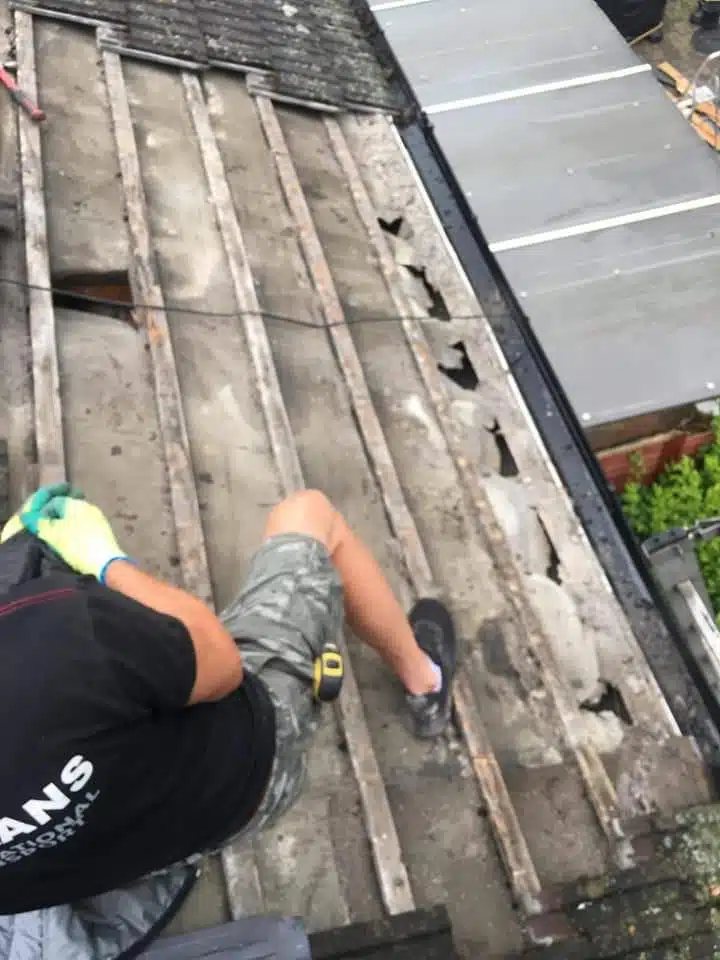
This is probably the most obvious sign. If you spot any tiles that are missing, cracked, or slipped out of place, it’s a red flag. Ireland’s weather can be brutal, and damaged tiles leave your roof vulnerable to water damage. Even a small gap can let in a surprising amount of water. It’s worth checking after a particularly bad storm.
Water Stains On Ceilings
Water stains on your ceilings are a pretty clear indicator that something’s not right with your roof. It might not be directly above the stain, as water can travel along rafters and joists. If you see signs of a roof leak, don’t ignore them. The longer you leave it, the worse it will get. It could be a sign of a serious issue.
Mould And Mildew Growth
Mould and mildew love damp conditions, so if you’re seeing it on your ceilings or walls, especially in the attic, it could be a sign of a roof leak. It’s not just unsightly; it can also be bad for your health.
Addressing mould and mildew promptly is important. It can spread quickly and cause structural damage to your home, as well as posing health risks to your family.
Here’s a quick checklist to help you spot potential problems:
- Check for any visible mould or mildew, especially in corners and around windows.
- Look for a musty smell, which can indicate hidden mould growth.
- Inspect your attic for signs of dampness or water stains.
Knowing how to identify roof leaks early can prevent significant damage to your home.
The Importance Of Regular Roof Inspections
How Often Should You Inspect Your Roof?
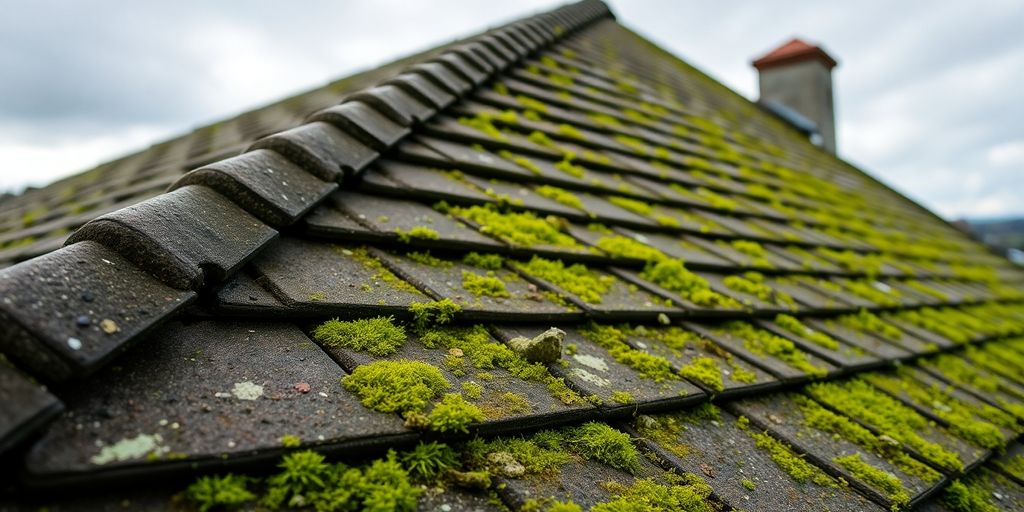
Okay, so you’re probably wondering how often you really need to bother checking your roof. Well, ideally, you should be having a look at least twice a year – once in the spring and again in the autumn. After any particularly nasty storms, it’s also a good idea to give it a once-over. Think of it like this: catching small problems early can save you a fortune down the line. Regular roof inspections are key to maintaining your home’s value.
What To Look For During An Inspection
Right, so you’re up there, or maybe looking from ground level with binoculars (safety first!). What exactly are you looking for? Here’s a quick checklist:
- Missing or broken tiles/slates: These are obvious entry points for water.
- Sagging areas: This could indicate structural problems.
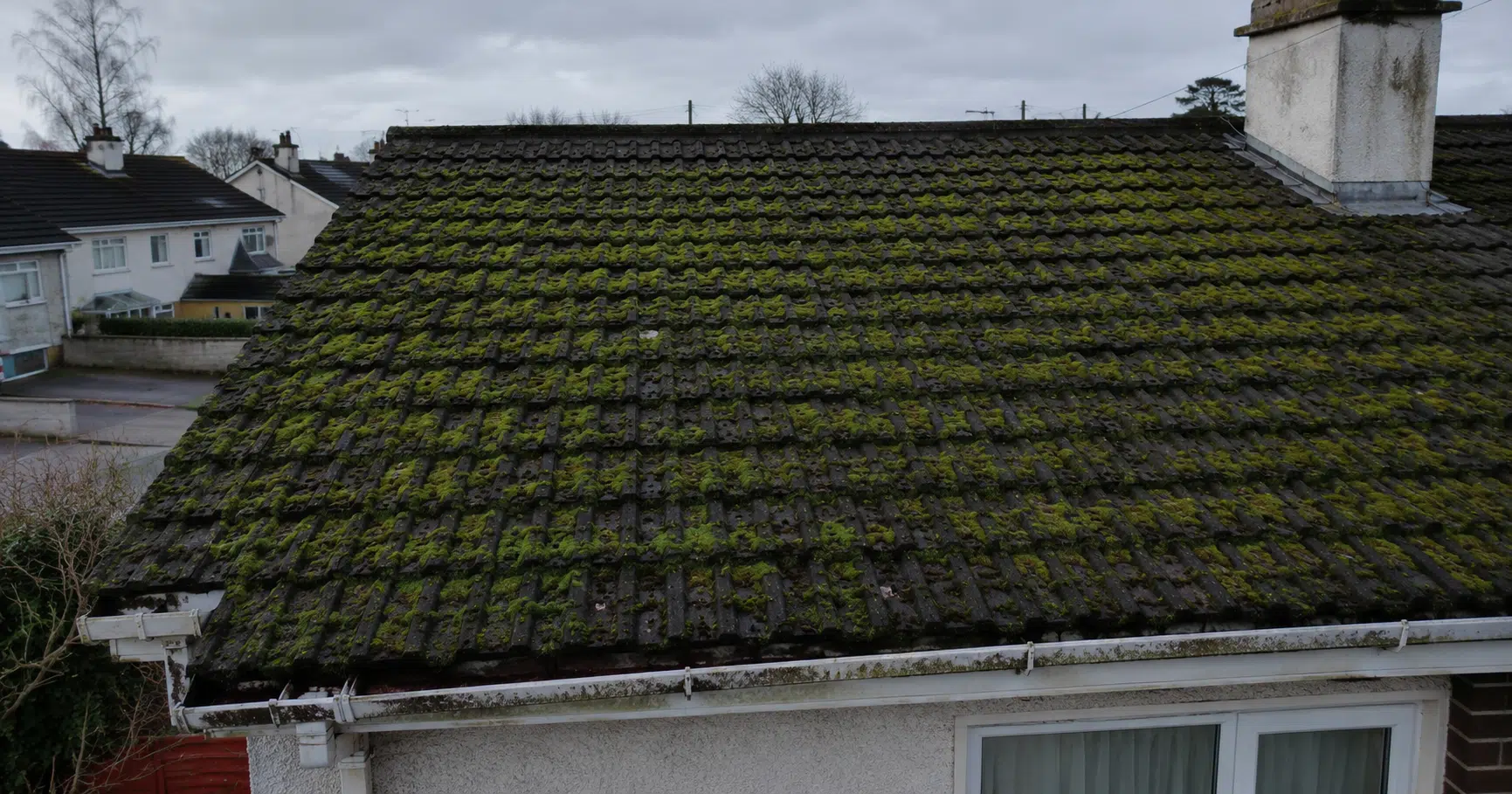
- Moss or algae growth: This can trap moisture and damage the roof over time.
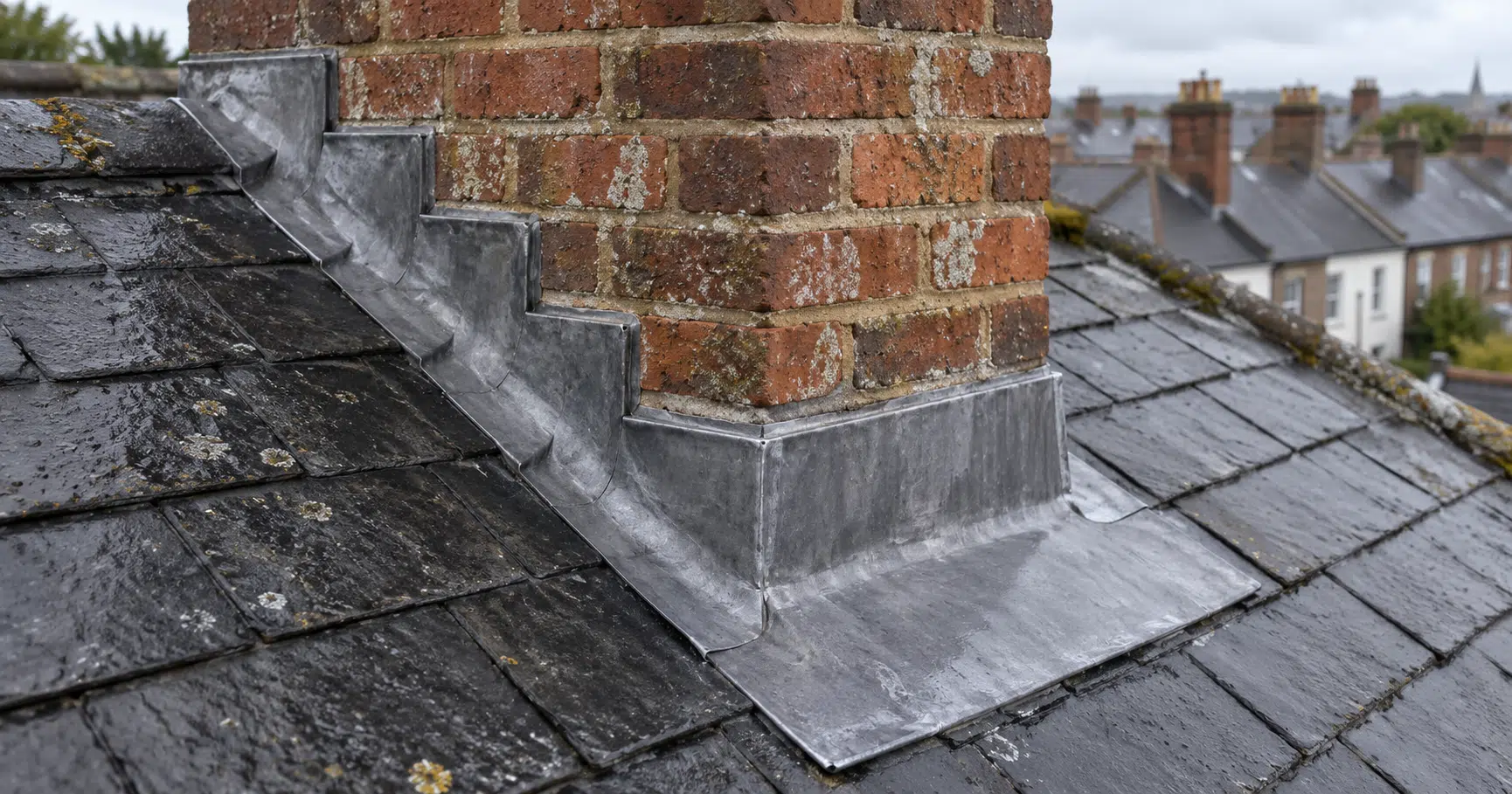
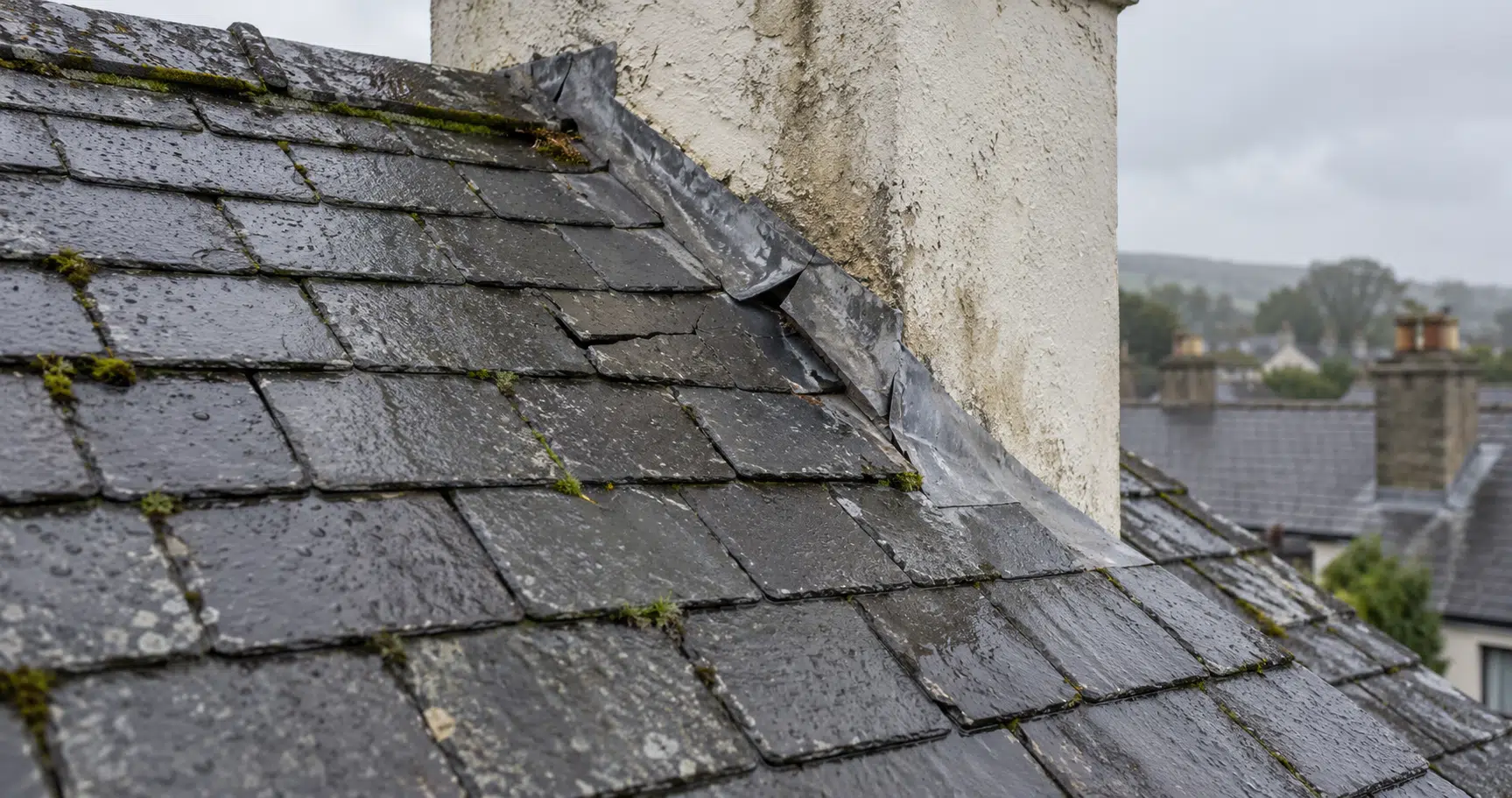
- Damaged flashing: Check around chimneys, vents, and skylights.
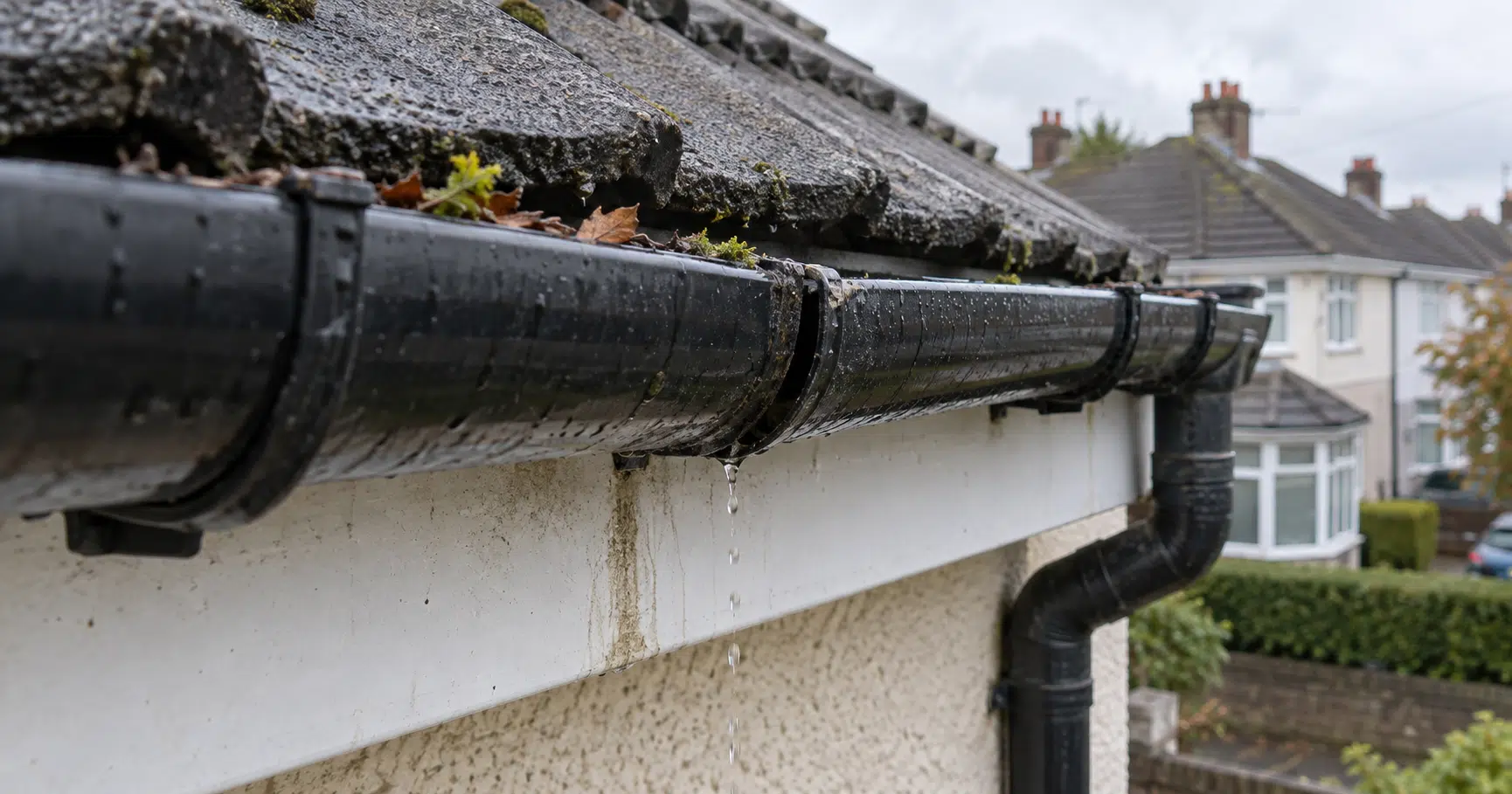
- Gutter issues: Blocked or damaged gutters can cause water to back up onto the roof.
It’s easy to think, “Oh, it’s just a small crack,” but those small cracks turn into big leaks, and big leaks turn into very expensive repairs. Prevention is always better (and cheaper!) than cure.
Benefits Of Professional Inspections
Look, I get it. Doing it yourself seems like a good way to save a few quid. But honestly, getting a professional roofing company in dublin to come in to do a thorough inspection has some serious benefits. Professionals have the experience to spot subtle issues that you might miss. Plus, they can safely access areas that are difficult or dangerous for you to reach. They can also provide a detailed report and recommend the best course of action for any problems they find. It’s an investment that can really pay off in the long run.
Preventative Measures To Protect Your Roof
Regular Maintenance Tips
Preventative roof care for homeowners is key to avoiding costly repairs down the line. Think of it like this: a little effort now can save you a fortune later. Regular maintenance doesn’t have to be a massive undertaking. It’s more about being observant and proactive.
Here are a few things I try to do:
- Clear debris: Leaves, branches, and moss can trap moisture and damage your roof. I try to clear them off every few months, especially after storms.
- Check for damage: I walk around my house after any major weather event and look for missing or damaged tiles. It’s easier to fix a single tile than to deal with a leak that spreads.
- Keep trees trimmed: Overhanging branches can rub against your roof and cause damage. Plus, they can drop debris that clogs gutters.
I’ve found that setting reminders on my phone helps me stay on top of these tasks. It’s easy to forget about roof maintenance when you’re busy with other things, but a little bit of attention can make a big difference.
Gutter Cleaning And Its Importance
Gutters are your roof’s best friend. They channel water away from your house, preventing it from seeping into your roof, walls, and foundation. If your gutters are clogged, water can back up and cause all sorts of problems. I try to clean my gutters at least twice a year – in the spring and autumn. It’s a messy job, but it’s worth it. You can buy gutter cleaning tools that make the job easier. Also, make sure your downpipes are clear. A blocked downpipe can cause water to overflow and damage your fascia boards.
Choosing The Right Roofing Materials
When it comes to roofing materials, you get what you pay for. Cheap materials might save you money upfront, but they won’t last as long and could end up costing you more in the long run. In Ireland’s climate, it’s important to choose materials that can withstand frequent rainfall, temperature fluctuations, and strong winds. Slate, for example, is a popular choice because it’s durable and weather-resistant. Tile is another good option, but it can be more expensive. If you’re not sure what materials are best for your home, talk to a reliable roofer. They can assess your needs and recommend the right solution.
Emergency Repairs: When To Act Fast
Signs That Require Immediate Attention
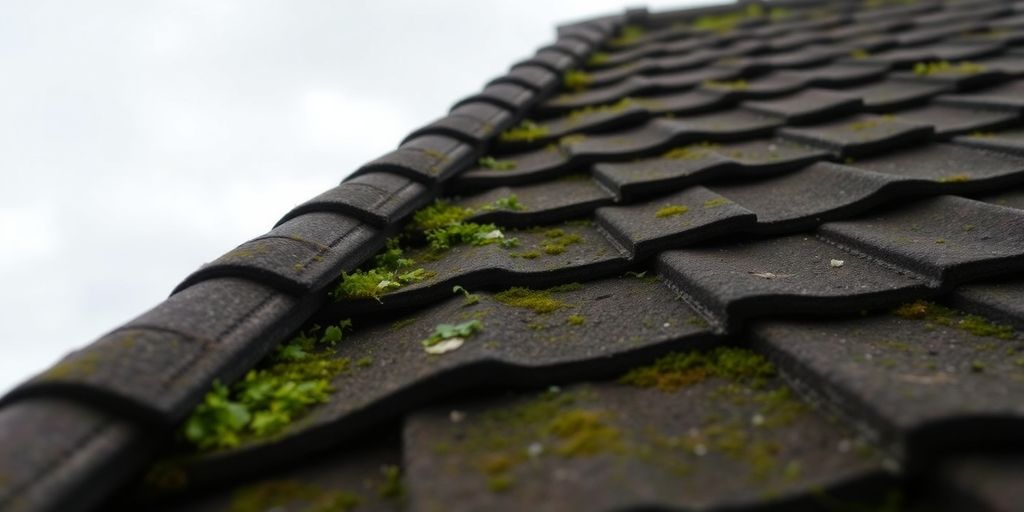
Right, so you’ve spotted something that doesn’t look quite right with your roof. But how do you know if it’s a ‘get it sorted now’ situation or something you can put off for a bit? Well, a few things should ring alarm bells. If you see water actively pouring into your house, that’s a pretty clear sign you need help ASAP. Other red flags include:
- Large sections of missing tiles or slates after a storm.
- A visibly sagging roofline – this could indicate structural damage.
- Internal ceilings that are bulging or have large, spreading water stains.
How To Handle A Roof Leak
Okay, so you’ve got a leak. Don’t panic! First things first, try to contain the water inside your home. Use buckets, towels, anything you can find to minimise the damage to your belongings. Move furniture away from the affected area. If it’s safe to do so, try to identify the source of the leak from inside. Don’t go climbing onto the roof yourself unless you’re absolutely sure it’s safe. Contact a roofer immediately and explain the situation. They’ll be able to advise you on the next steps and arrange an emergency call-out.
Finding A Reliable Roofer
Finding a decent roofer in a hurry can be stressful, but it’s important to do your homework. Ask friends, family, or neighbours for recommendations. Check online reviews, but take them with a pinch of salt – look for patterns of positive or negative feedback. Make sure the roofer is insured and has the proper qualifications. Don’t be afraid to ask for proof of their credentials. Get a clear quote before any work starts, and make sure you understand what’s included.
It’s always a good idea to get a few quotes from different roofers before making a decision, even in an emergency. This will help you ensure you’re getting a fair price and that the roofer is reputable. Don’t just go for the cheapest option – consider their experience, qualifications, and reviews as well.
Here’s a quick guide to what to look for:
| Feature | Importance |
|---|---|
| Insurance | Protects you from liability if something goes wrong during the repair. |
| Qualifications | Ensures the roofer has the skills and knowledge to do the job properly. |
| Reviews | Gives you an idea of the roofer’s reputation and quality of work. |
| Clear Quote | Prevents unexpected costs and ensures you understand what you’re paying for. |
| Emergency Service | Availability to address urgent roofing issues promptly. |
Long-Term Solutions For Roof Damage
When To Consider Roof Replacement
Okay, so your roof’s showing its age. Maybe it’s just a few slipped tiles, or perhaps it’s looking more like a patchwork quilt than a proper roof. But when do you actually need to bite the bullet and get a whole new roof? It’s a big decision, no doubt. If your roof is constantly needing repairs, or if it’s over 20 years old (especially with Ireland’s weather!), it might be time. Think of it this way: are you throwing good money after bad with endless repairs? A new roof might actually save you money in the long run. Plus, a new roof can seriously boost your home’s kerb appeal and value. Don’t forget to get a roof inspection to assess the damage.
Benefits Of Upgrading Roofing Materials
Upgrading your roofing materials isn’t just about aesthetics; it’s about investing in the future of your home. Think about it: modern materials are way more durable and energy-efficient than what they used to use. For example, switching to slate or composite tiles can give you better protection against the elements and last for ages. Plus, some materials can even help lower your energy bills by reflecting sunlight and keeping your house cooler in the summer. It’s a win-win! Here’s a quick look at some benefits:
- Increased lifespan of your roof
- Improved energy efficiency
- Enhanced weather resistance
- Boosted property value
Upgrading your roofing material is a significant investment that can pay dividends in terms of durability, energy efficiency, and property value. It’s worth exploring the options to find the best fit for your home and budget.
Cost-Effective Repair Options
Right, so a full roof replacement is out of the question for now? No worries, there are still plenty of cost-effective repair options to consider. Small leaks can often be fixed with some sealant and a bit of patching. Replacing individual damaged tiles is also a relatively cheap fix. Just make sure you get a professional to do it properly, otherwise, you might end up with more problems down the line. Regular gutter cleaning is also a cost-effective way to prevent water damage and extend the life of your roof. Addressing minor issues early can prevent them from escalating into major, expensive problems.
Understanding Insurance And Roof Damage
What Roof Damage Is Covered?
Okay, so figuring out what your home insurance actually covers when it comes to roof damage can be a bit of a headache. Generally, policies do cover damage caused by sudden events, like storms, falling trees, or even vandalism. But, and this is a big but, they usually won’t cover wear and tear, or damage that’s been building up over time because of poor maintenance. For example, if a massive storm hits and rips off half your tiles, you’re probably covered. But if your roof is just old and leaky, you might be out of luck. Always read the fine print, and don’t be afraid to call your insurer to get the lowdown on your specific policy.
How To File A Claim
Right, so you’ve got roof damage and you think it’s covered. What next? First, document everything. Take loads of photos and videos of the damage before you do anything else. This is your evidence. Then, contact your insurance company ASAP. They’ll probably want to send someone out to assess the damage. Be prepared to answer a load of questions about how the damage happened, when you noticed it, and the age of your roof. Get a few quotes from roofers before the insurance adjuster comes, so you have an idea of the cost. Keep all communication with the insurance company in writing, and don’t agree to anything until you’re happy with the offer. It can be a bit of a battle, but stick with it.
Tips For Documenting Damage
Documenting roof damage properly is really important when you’re making an insurance claim. Here’s a few tips to help you out:
- Take clear, high-resolution photos and videos of all the damage, both inside and outside your house.
- Make sure to get close-ups of specific issues, like cracked tiles, water stains, or mould.
- Keep records of any communication with your insurance company, including dates, times, and names of people you spoke to.
- Get written quotes from several roofing contractors detailing the extent of the damage and the cost of repairs.
- If possible, get an expert report from a surveyor or structural engineer to back up your claim.
Remember, the more evidence you have, the stronger your claim will be. Don’t rely on just a few blurry photos – be thorough and detailed. It could save you a lot of hassle in the long run.
Final Thoughts on Roof Care
Keeping an eye on your roof is pretty important, especially with the weather we get here in Ireland. Regular checks can help you catch issues before they turn into big problems. Look out for things like missing tiles, leaks, or any signs of wear and tear. If you spot something off, don’t hesitate to call in a professional. It’s better to deal with a small repair now than face a costly replacement later. Remember, a well-maintained roof not only protects your home but also adds value to it. So, take care of your roof, and it will take care of you!
Frequently Asked Questions
What are the signs that my roof may be damaged?
Look for missing or broken tiles, water stains on your ceilings, or any signs of mould.
How often should I check my roof for issues?
It’s a good idea to inspect your roof at least twice a year, especially after heavy storms.
What should I do if I find a leak in my roof?
Act quickly! Cover the area to prevent further damage and contact a professional roofer.
How can I maintain my roof to prevent damage?
Regularly clean your gutters, remove debris, and check for any loose tiles or flashing.
What roofing materials are best for Ireland’s weather?
Slate and tile are popular choices as they withstand rain and temperature changes well.
Will my home insurance cover roof damage?
Most home insurance policies cover roof damage, but it’s best to check your specific policy.