Why Is My Roof Leaking? Common Causes and How to Find the Source
A damp patch appears on the ceiling. Maybe a drip lands on the landing during a downpour, or a water stain that wasn't there last month has started to spread. So you ask the obvious question: why is my roof leaking? The frustrating answer is that a leaking roof rarely announces where the problem actually is. Water gets in at one point, travels along timbers and felt, and shows itself somewhere else entirely. Finding the source is half the battle, and it's the part most homeowners get wrong.

The stain on the ceiling is where the water ends up, not where it got in.
This guide walks through the most common causes of roof leaks on Dublin homes, why the drip is almost never directly below the fault, how to trace a leak back to its source, and what happens if a small leak is left to run. The sooner you find the cause, the cheaper and simpler the fix.
Key Takeaways
- Most roof leaks start at the joints, flashing around chimneys and vents, valleys, skylights and ridge tiles fail far more often than the tiles themselves.
- The drip is rarely below the leak. Water travels along rafters and felt before it shows, so the source is usually uphill of the stain.
- Roofs that only leak in heavy rain are usually being hit by wind-driven rain finding a weak point that light rain never reaches.
- A small leak grows quickly. Rotten battens, damp insulation and mould can follow within months.
- Trace it during rain, from inside the attic, and if you can't find it safely, get a professional to.
The Most Common Causes of Roof Leaks in Dublin
Roofs don't usually fail across a whole slope. They fail at specific weak points, and in our experience the same handful of culprits account for the vast majority of leaking roofs we're called to across Dublin.
Failed Flashing Around Chimneys and Vents
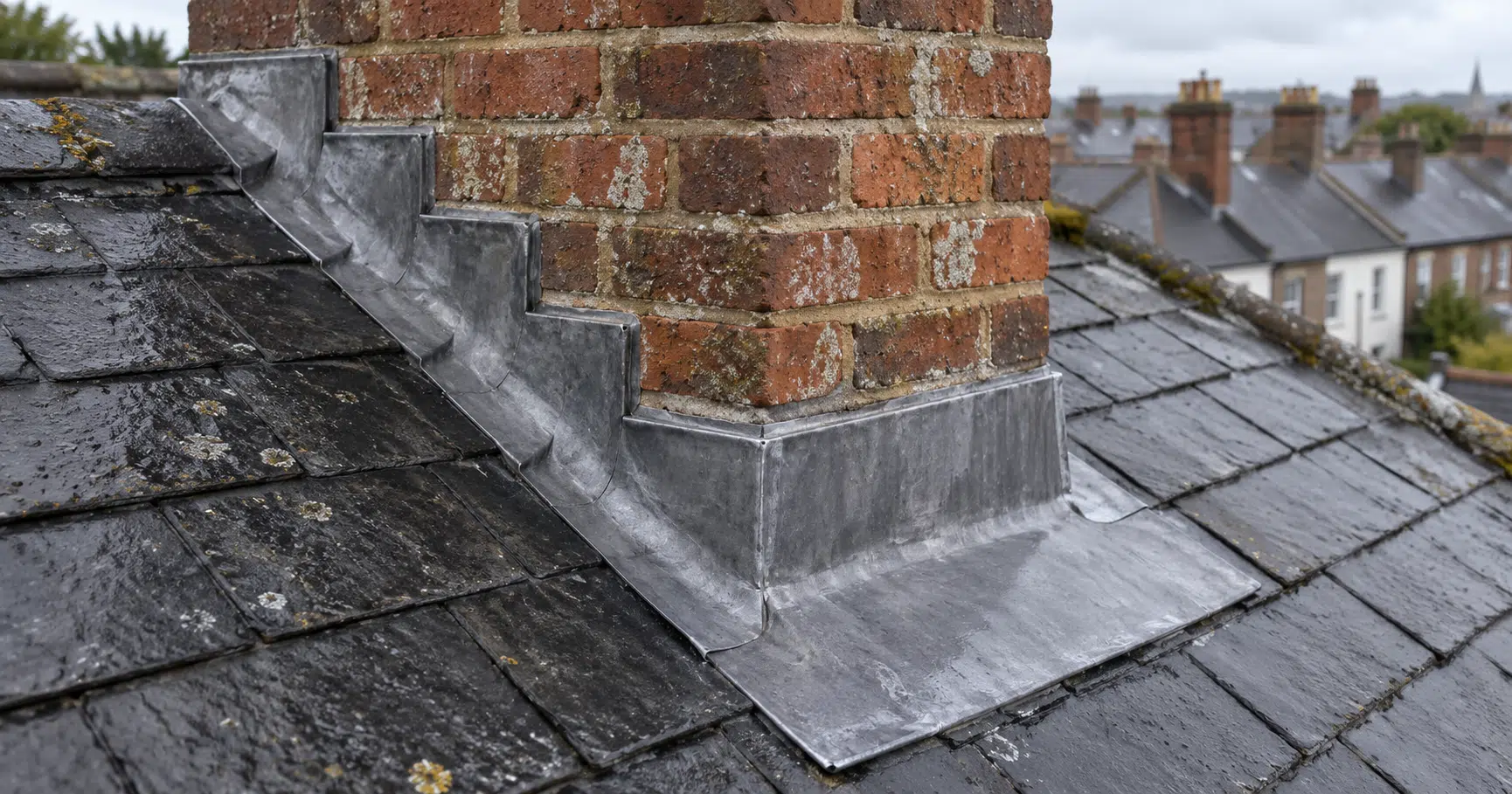
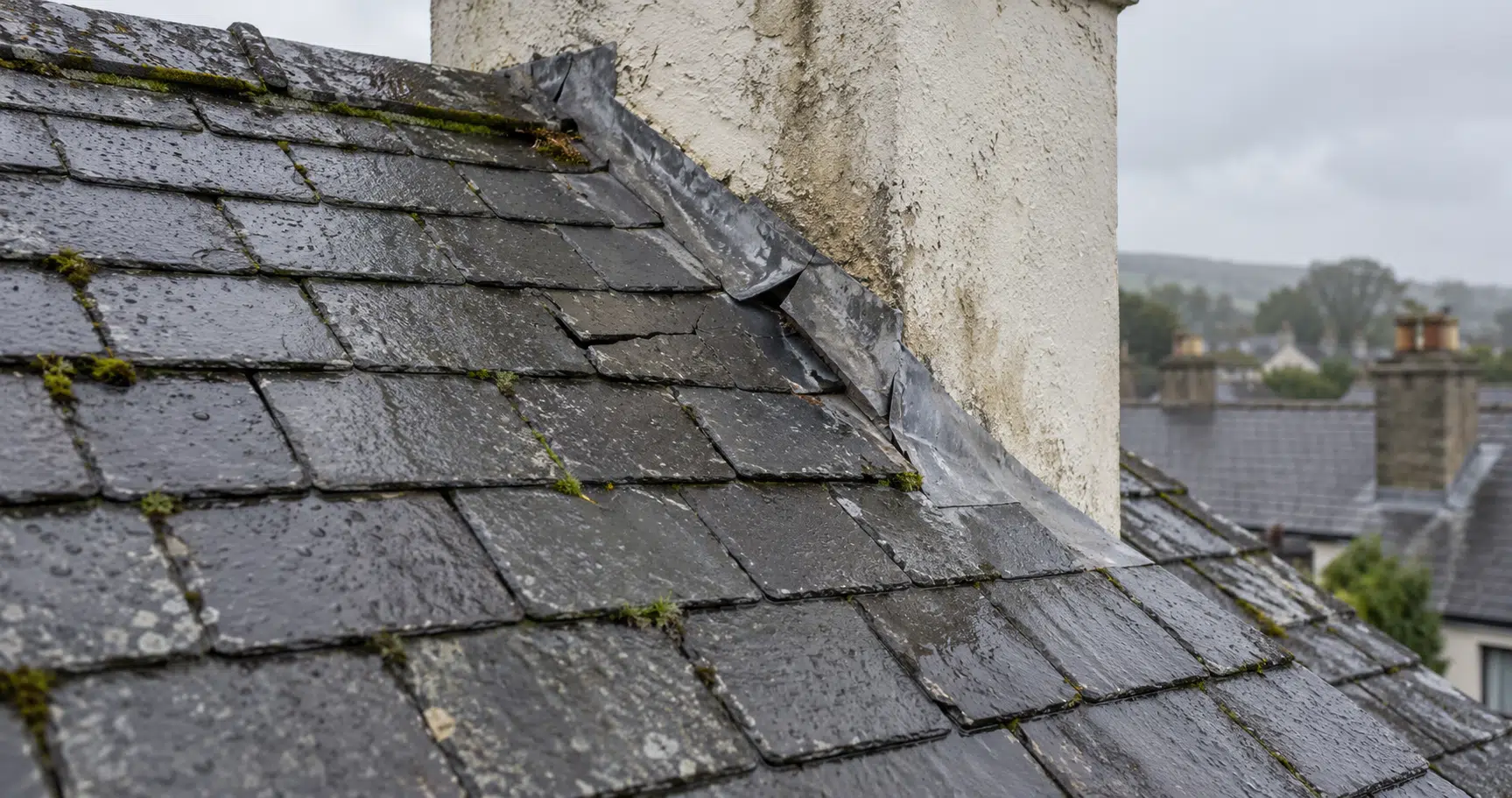
This is the number one cause we see. Flashing is the lead or metal seal where the roof meets a chimney, vent pipe or skylight. Over the years it cracks, lifts, corrodes or pulls away from the mortar, and once it does, water runs straight down the outside of the chimney breast and into the house. Chimney leaks in heavy rain are a classic sign, and repairing chimney flashing is one of the most common leak fixes there is.
Slipped, Cracked or Missing Tiles
A single tile lifted by a storm, or cracked by frost, exposes the felt underneath. Felt is a secondary barrier, not a waterproof one, and once it's doing the tile's job it degrades fast. One missing tile is enough to start a leak.
Blocked Gutters and Valleys
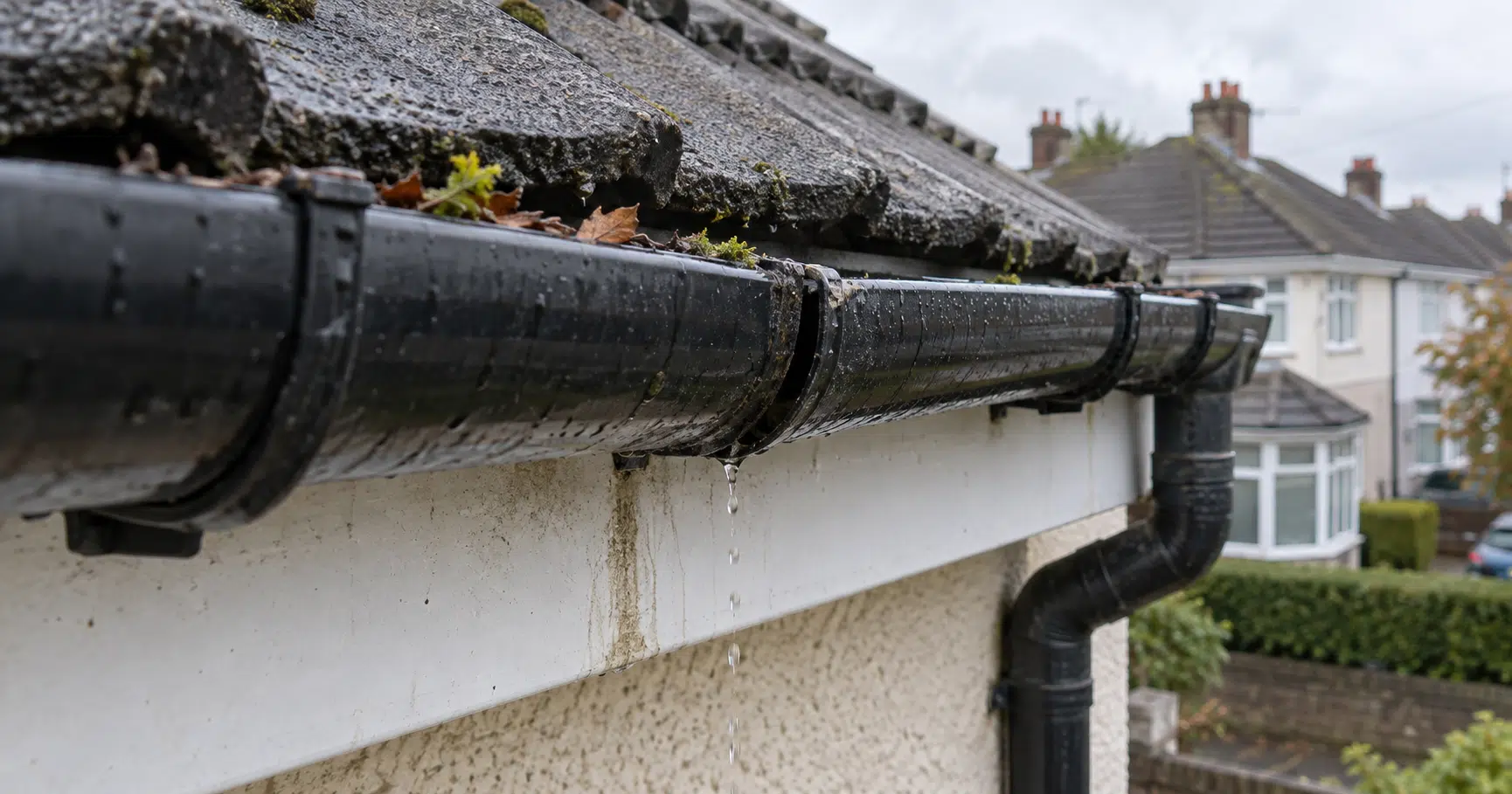
Where two roof slopes meet, water is funnelled into a valley. When valleys or gutters clog with leaves and moss, water backs up and finds its way under the tiles at the edges. In a Dublin autumn this is one of the fastest ways a healthy roof starts letting water in.
Flat Roof Seams and Ponding
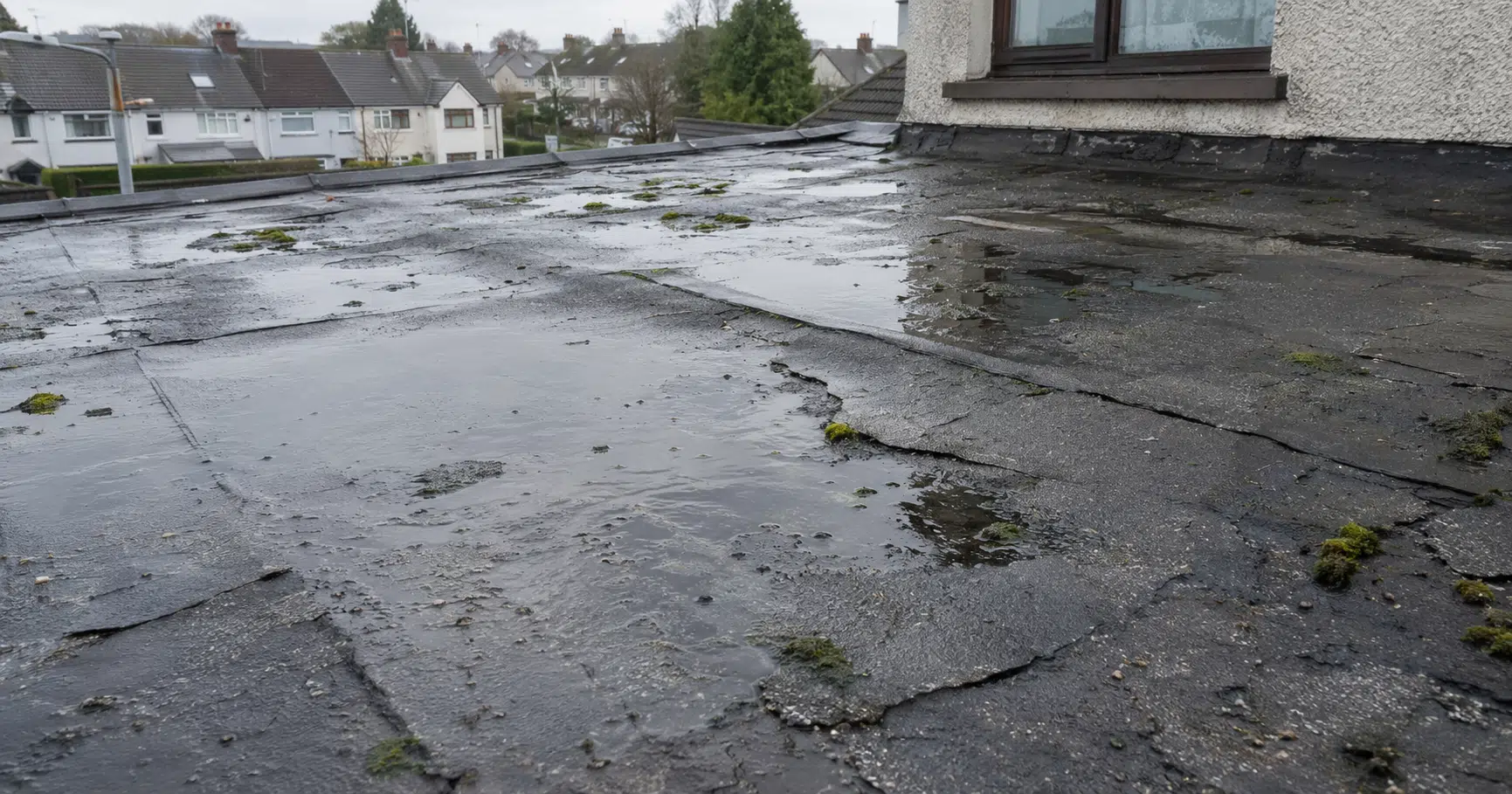
A flat roof leaking is nearly always a seam or a puddle problem. Joints in felt lift with age, and water that ponds rather than draining eventually works through any weak spot it's sitting on.
Skylights and Velux Windows
Rooflights are a hole in the roof by design, so the seals and flashing around them have to be perfect. A skylight leak usually comes from worn seals or flashing rather than the glass itself, and it's often mistaken for condensation.
Worn Ridge Tiles and Pointing
The ridge tiles along the top of the roof are held by mortar. When that pointing cracks and crumbles, wind-driven rain gets in at the very highest point and has the whole roof to run down.
Why the Drip Is Never Where the Leak Is
Here's the single most useful thing to understand about a leaking roof: water doesn't fall straight down. It gets in at a fault, then runs along the underside of the felt, down a rafter, or across the top of the ceiling plasterboard until it finds a low point or a joint to drip through. That's why a wet spot on the ceiling can be a metre or more away from the actual entry point, and why patching the roof directly above the stain so often fixes nothing.
How to Trace a Roof Leak Back to Its Source
Roof leak detection is mostly about timing and patience. The best time to find a leak is while it's raining, and the best place to look is from inside.
- Note when it leaks. Only in heavy rain, in wind from one direction, or in cold weather with no rain at all? Each points to a different cause (and the last one is usually condensation, not a leak).
- Go into the attic with a torch during rain. Look for water tracking down rafters, wet patches on the felt, or drips. Follow any wet trail uphill, the entry point is always higher than where the water shows.
- Check the penetrations first. Chimneys, vent pipes, skylights and anywhere something passes through the roof are the most likely culprits.
- Look at the roof from the ground. With binoculars, scan for slipped or missing tiles, lifted flashing, crumbling ridge mortar and blocked valleys.
- Don't climb onto a wet roof. Roof falls are among the most serious home accidents, and the Health and Safety Authority's guidance on working at height is worth a read before you're tempted. Finding a leak isn't worth a fall.
If neither check reveals the cause, that's the point to get a professional to trace it, because guessing gets expensive fast.
How a Small Leak Grows Into a Big Problem
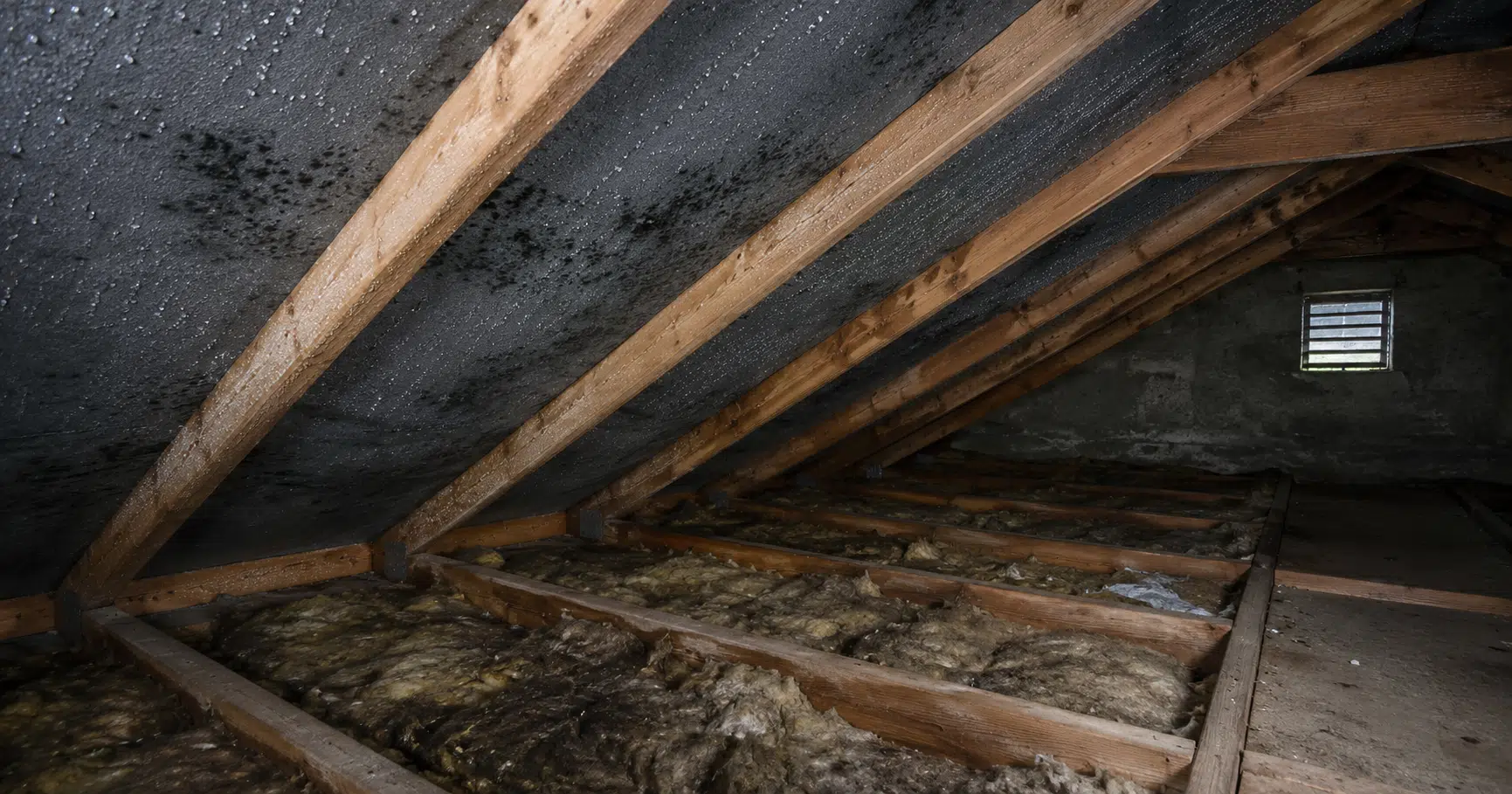
The reason we push people to act on small leaks is simple: the leak itself rarely gets worse quickly, but the damage it causes does. A slow drip that's easy to ignore is wetting the same battens, insulation and plasterboard every single time it rains, and Dublin gets a lot of rain, as Met Éireann's climate data makes clear. Timber that stays damp starts to rot. Insulation that gets wet stops insulating. Plasterboard that stays saturated eventually gives way. And persistent damp feeds mould, which is a genuine health concern, particularly for children and anyone with a respiratory condition, as the NHS guidance on damp and mould sets out.
A Typical Example: The Leak That Waited
This is a composite of the kind of job we see all the time. A semi-detached house in south Dublin picks up a slipped tile in an autumn storm. A faint stain appears on a back bedroom ceiling, but it only shows after heavy rain, so the homeowner decides to keep an eye on it. By Christmas the stain has doubled and there's a musty smell on the landing. In spring, a plasterer is called for the ceiling, who spots that the batten above is soft and the insulation is soaked. By the time a roofer is on site the following autumn, a €150 tile fix has become a rotten batten, replacement insulation, mould treatment and a new section of ceiling. The leak never got bigger. It just kept going.
Roof Leaks in Heavy Rain: Why Some Roofs Only Leak Sometimes
One of the most common questions we get is a version of "why does my roof only leak sometimes?" The answer is nearly always wind. Light, straight-down rain runs off a roof the way it's designed to. But heavy, wind-driven rain gets pushed sideways and upwards, under tile edges, behind flashing and into ridge pointing that normal rain never touches. So a roof that leaks in heavy rain but not in drizzle isn't leaking randomly, it has a weak point that only exposed, wind-driven weather reaches.

Failed chimney flashing is the single most common source of the leaks we're called to.
What to Do Right Now If Your Roof Is Leaking
If water is actively coming in, contain it first: move furniture and electronics clear, catch the water in a bucket, and if the ceiling is bulging, carefully pierce it over a container rather than letting it come down on its own. Take photos as you go, they're useful for both the repair and any insurance claim, and Citizens Information has a clear overview of how home insurance generally handles this kind of damage. Then get the roof made watertight. For an active leak, especially in a storm, our emergency roof repairs team can get out quickly and stop the water before the damage spreads any further.
Preventative Steps That Stop Leaks Before They Start
Most of the leaks we fix were preventable. The habits that make the biggest difference are:
- Clear your gutters and valleys at least twice a year, and always after autumn leaf fall.
- Look at the roof after every big storm, from the ground, for slipped or missing tiles and lifted flashing.
- Check the chimney flashing and ridge pointing every couple of years, as they're the first things to fail.
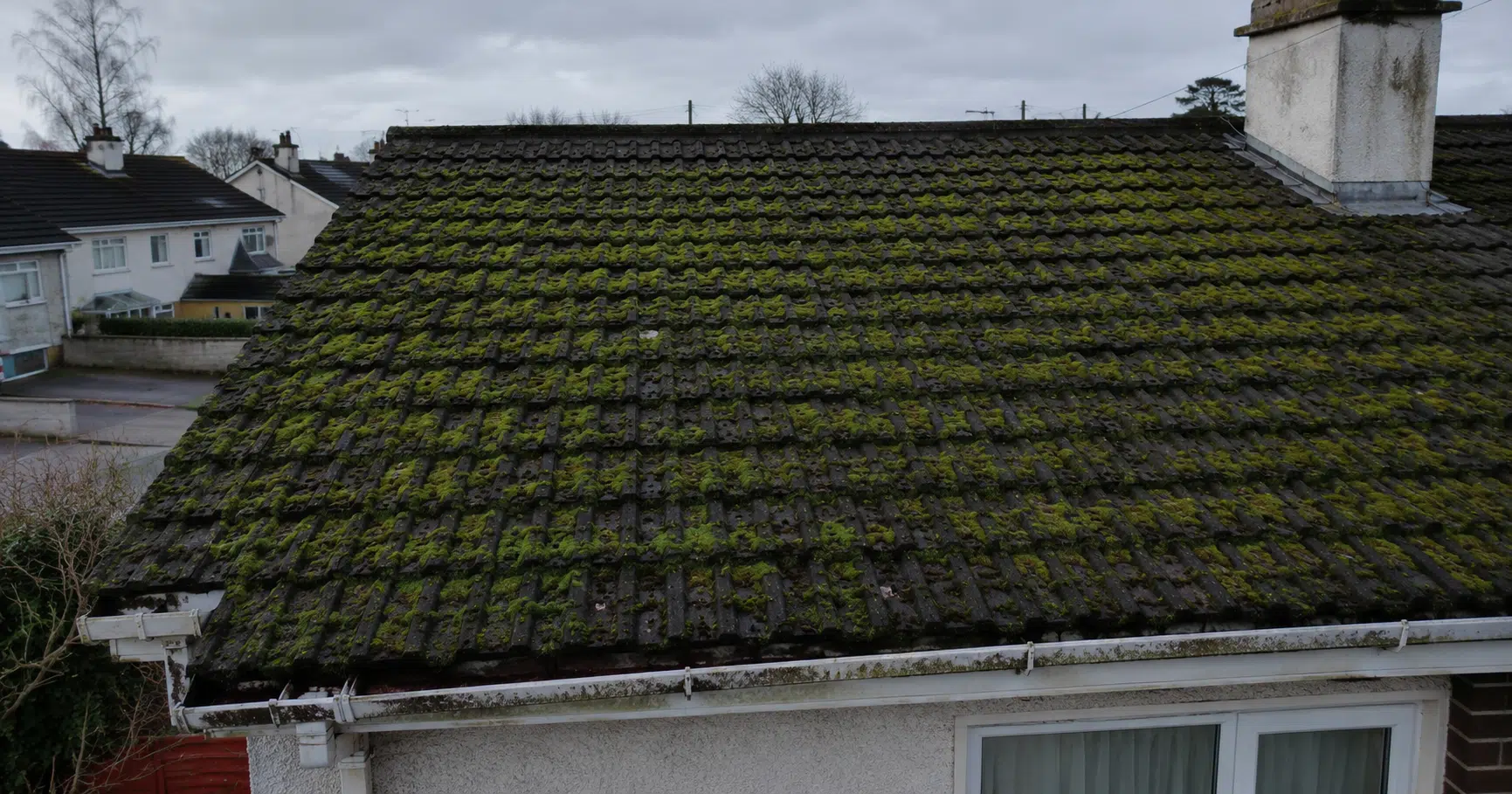
- Deal with moss, which holds water against tiles and lifts them as it freezes.
- Book a roof inspection before winter if your roof is older or you've had any warning signs. A professional roof inspection catches the small problems while they're still cheap to fix.
Water coming through the ceiling, or a stain you can't explain?
We'll trace the leak to its actual source, tell you honestly what's needed, and get it fixed properly, with a clear, no-obligation price.
Get a Free QuoteFrequently Asked Questions
Why does my roof only leak in heavy rain?
Because wind-driven rain gets pushed under tile edges, behind flashing and into ridge pointing that light rain never reaches. A roof that leaks only in heavy or windy weather has a real weak point, it just needs exposed conditions to show it. It won't fix itself and usually gets worse over time, so it's worth tracing.
How do I find where my roof is leaking?
Go into the attic with a torch while it's raining and look for water tracking down rafters or wet patches on the felt, then follow the trail uphill, as the entry point is always higher than where the water shows. Check chimneys, vents and skylights first, and scan the outside of the roof from the ground with binoculars. If that doesn't reveal it, a professional can trace it properly and safely.
Why is my roof still leaking after a repair?
Usually because the repair was made where the water appeared rather than where it got in. Since water travels before it drips, patching the roof directly above a stain often misses the real fault entirely. There may also be more than one entry point. The fix is to trace the leak to its true source rather than treating the symptom.
Is a ceiling leak always caused by the roof?
Not always. Water leaking from a ceiling can also come from plumbing, a bathroom above, or condensation in the attic. A useful clue is timing: if it's worse during and after rain it's very likely the roof, whereas a leak that's constant regardless of weather often points to plumbing, and damp that appears in cold, dry weather is usually condensation.
Will my home insurance cover a roof leak?
It depends on the cause and your policy. Sudden storm damage is more likely to be covered than damage that built up over time through lack of maintenance. That's another good reason to act on leaks early and keep photos and receipts, as a long-neglected leak is harder to claim for. Always check the wording of your own policy.