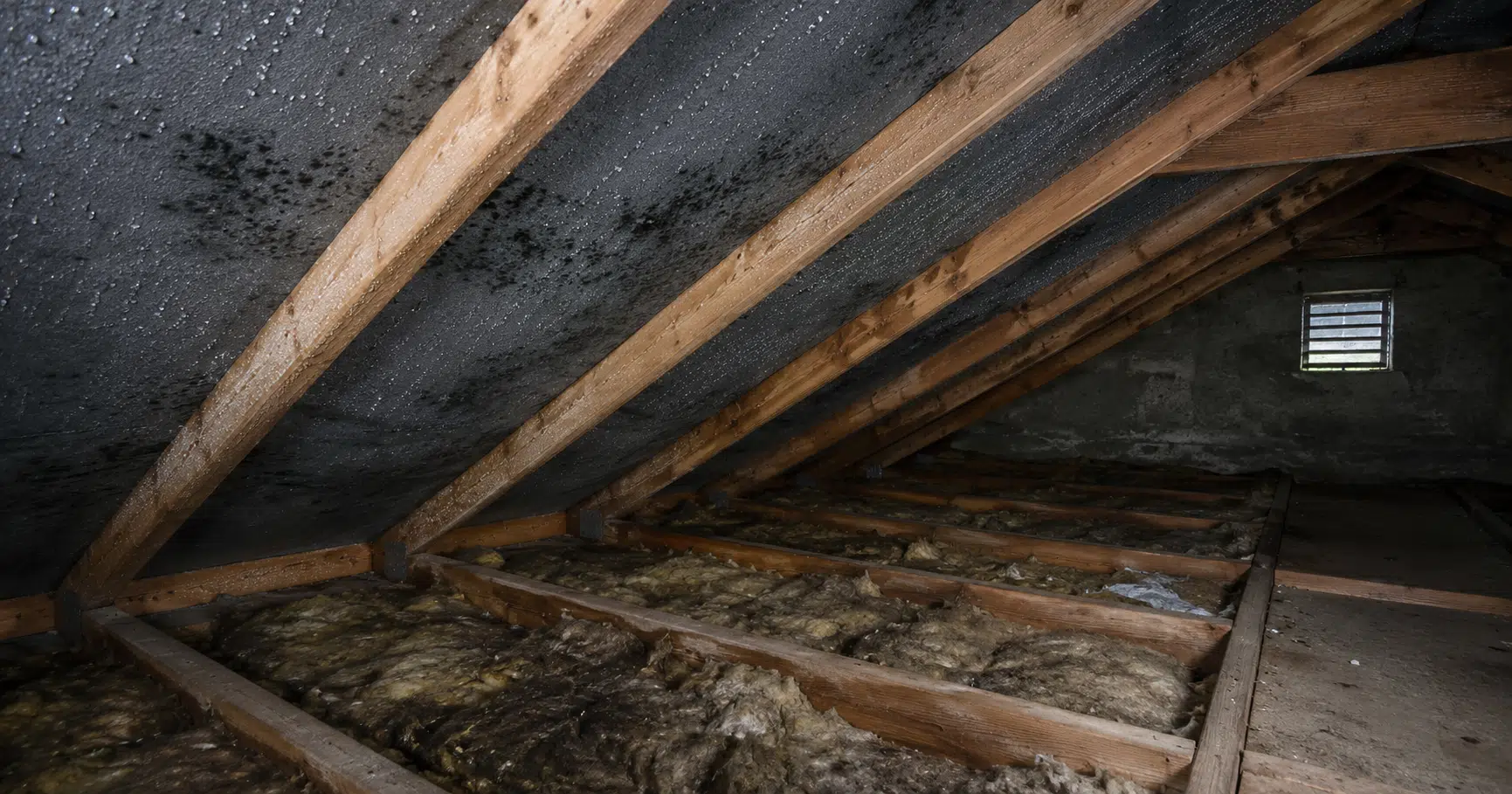
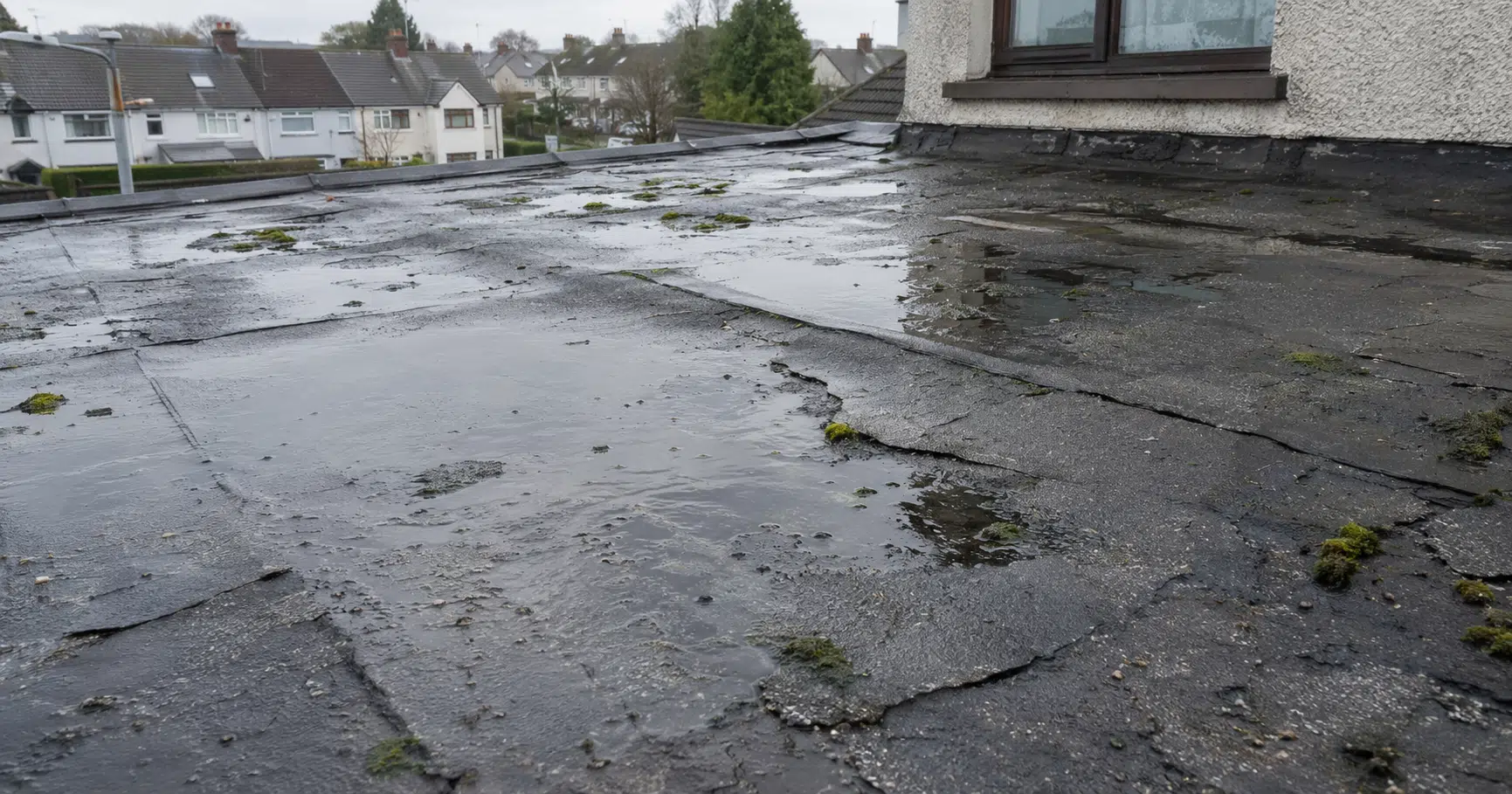
As we head into Dublin's storm season, it's really important that we get our roofs ready. We all know how unpredictable the weather can be here in Ireland, with heavy rain and strong winds often causing trouble. A roof that isn't in good shape can lead to all sorts of headaches, from leaks to more serious damage. We've seen firsthand how a small problem in autumn can turn into a big, expensive issue by the time winter really sets in. That's why we're sharing some tips to help you prepare your roof and keep your home safe and dry.
Key Takeaways
Inspect your roof at least twice a year, ideally in spring and autumn, to catch any potential problems before they worsen.
Keep your gutters and downspouts clear of leaves and debris to allow rainwater to drain properly and prevent water buildup.
Check for and repair any loose, cracked, or missing shingles promptly to stop water from getting underneath.
Trim back any tree branches that hang over your roof to reduce leaf accumulation and prevent physical damage from falling limbs.
If you notice significant damage, sagging, or persistent leaks, don't hesitate to call a professional roofer for an assessment.
Understanding Dublin's Storm Season
Right then, let's talk about Dublin's weather. We all know it can be a bit unpredictable, and when it comes to our homes, the roof takes a real battering. The storm season here isn't just a few rainy days; it's a period where we can expect strong winds, heavy downpours, and sometimes even a bit of frost. This means our roofs are constantly being tested.
We've seen firsthand how a mild autumn can lull people into a false sense of security, only for a few fierce storms in late November or December to cause real problems. It's not just about the rain getting in, though that's bad enough. Those Atlantic winds can lift tiles that might seem secure but are actually weakened. Then you've got the freeze-thaw cycles where water gets into tiny cracks, freezes, expands, and makes those cracks bigger. It's a bit of a domino effect.
Thinking about roof maintenance before winter in Dublin is really key to protecting Dublin homes from storms. A small issue, like a single loose tile or a blocked gutter, can turn into a costly emergency repair if left unchecked. We're talking about potential water damage, mould growth, and even structural issues down the line. It's often said that getting a small repair done in October can save you a massive bill in January. We've seen it happen time and time again.
Here's a quick rundown of what our roofs typically face:
Heavy Rain and Snow: These can find their way into any weak spots, causing leaks.
Strong Winds: They can lift and dislodge tiles or damage flashing.
Temperature Fluctuations: Freezing and thawing can stress materials and widen existing cracks.
Increased Humidity: This can contribute to condensation and ice dams, putting extra weight on the roof.
It's easy to put off roof checks, especially when the weather seems okay. But the reality is, a proactive approach is far less stressful and much cheaper in the long run. Getting your roof ready before the worst weather hits is just sensible homeownership.
So, understanding that this season is a serious challenge for our homes is the first step. It's about being prepared and knowing what to look out for.
Common Roof Problems During Storms
We all know Dublin can get a bit wild when the weather turns, and our roofs often bear the brunt of it. Ignoring small issues before the storms hit is a recipe for disaster, leading to costly repairs down the line. We've seen it time and again – a little bit of neglect in autumn can turn into a major headache by mid-winter.
Loose or Damaged Shingles
One of the most common culprits we see is damaged or missing shingles. After a strong gust of wind, you might find a few have blown off entirely, leaving the underlayment exposed. Even if they're just cracked or curled, they're not doing their job properly. This creates an open invitation for water to seep in. We often spot this after autumn storms, and it's something that needs sorting quickly.
Gutter and Downspout Issues
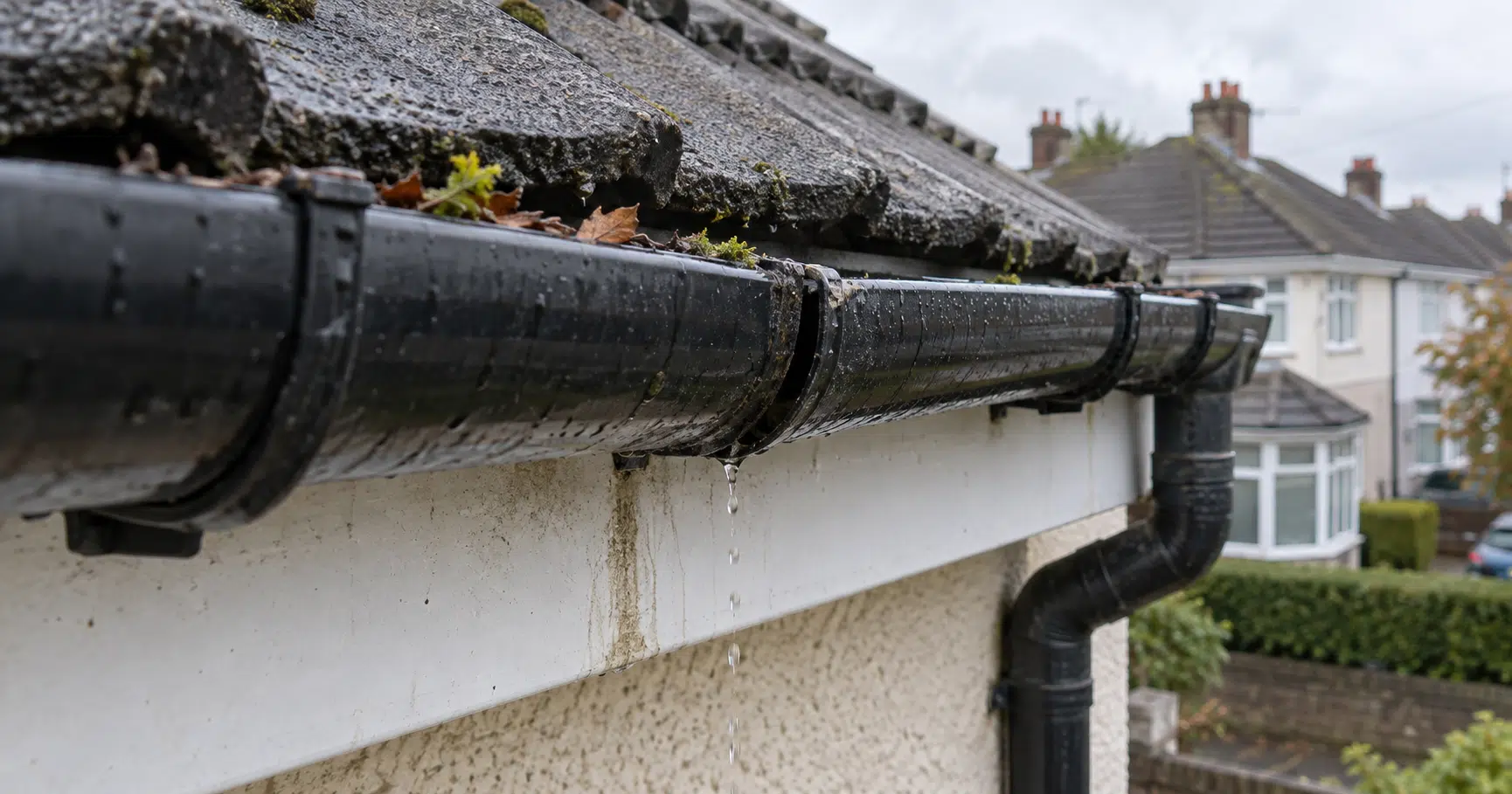
Gutters and downspouts are your roof's drainage system. If they're clogged with leaves and debris, or if they're sagging and pulling away from the house, water can't escape. This can lead to water backing up, potentially getting under your tiles, and causing all sorts of damp problems inside. In winter, this backed-up water can freeze, forming ice dams that do even more damage. We've had to deal with overflowing gutters after heavy rain, and it's never a good sign.
Flashing Failures
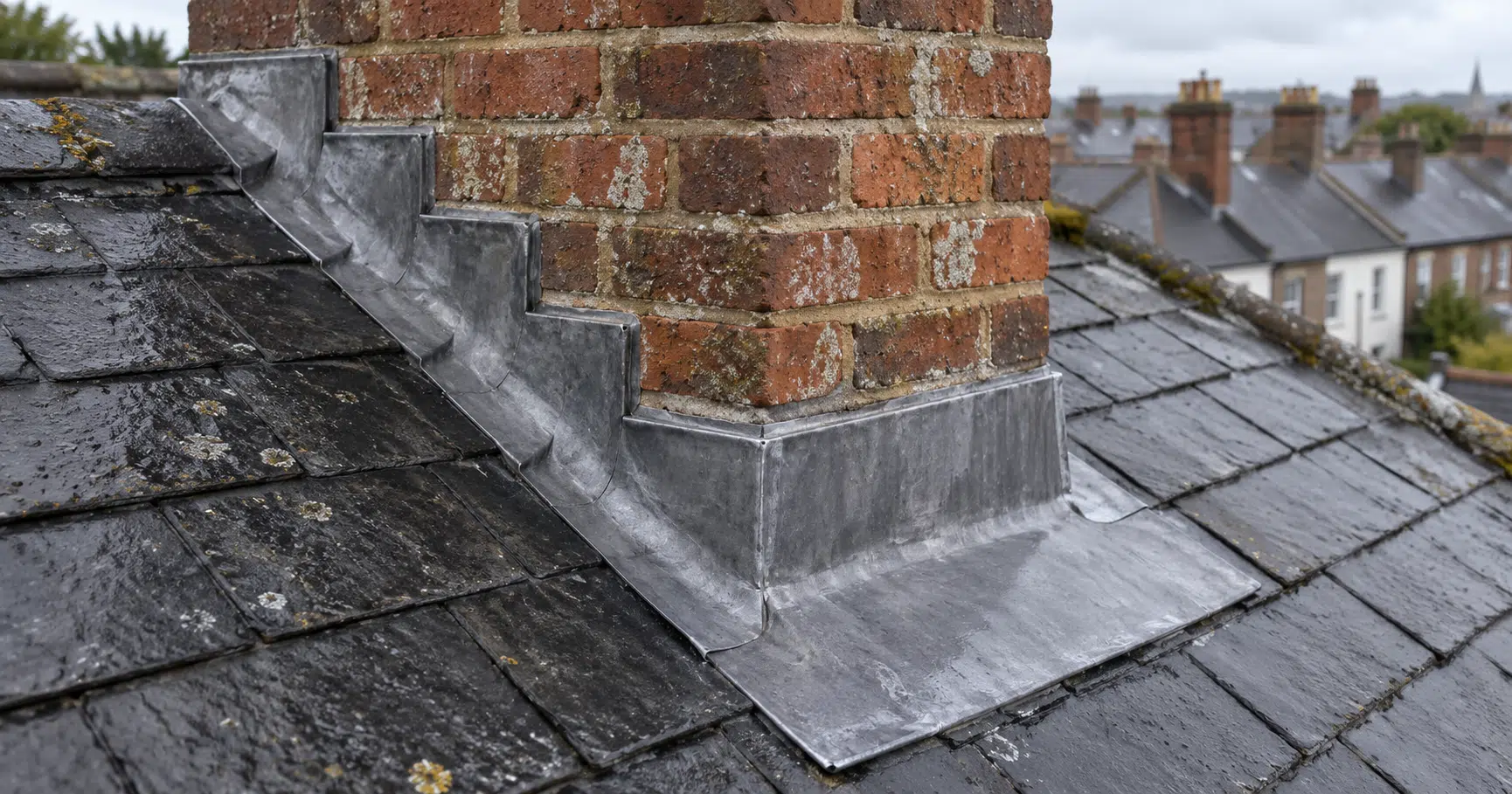
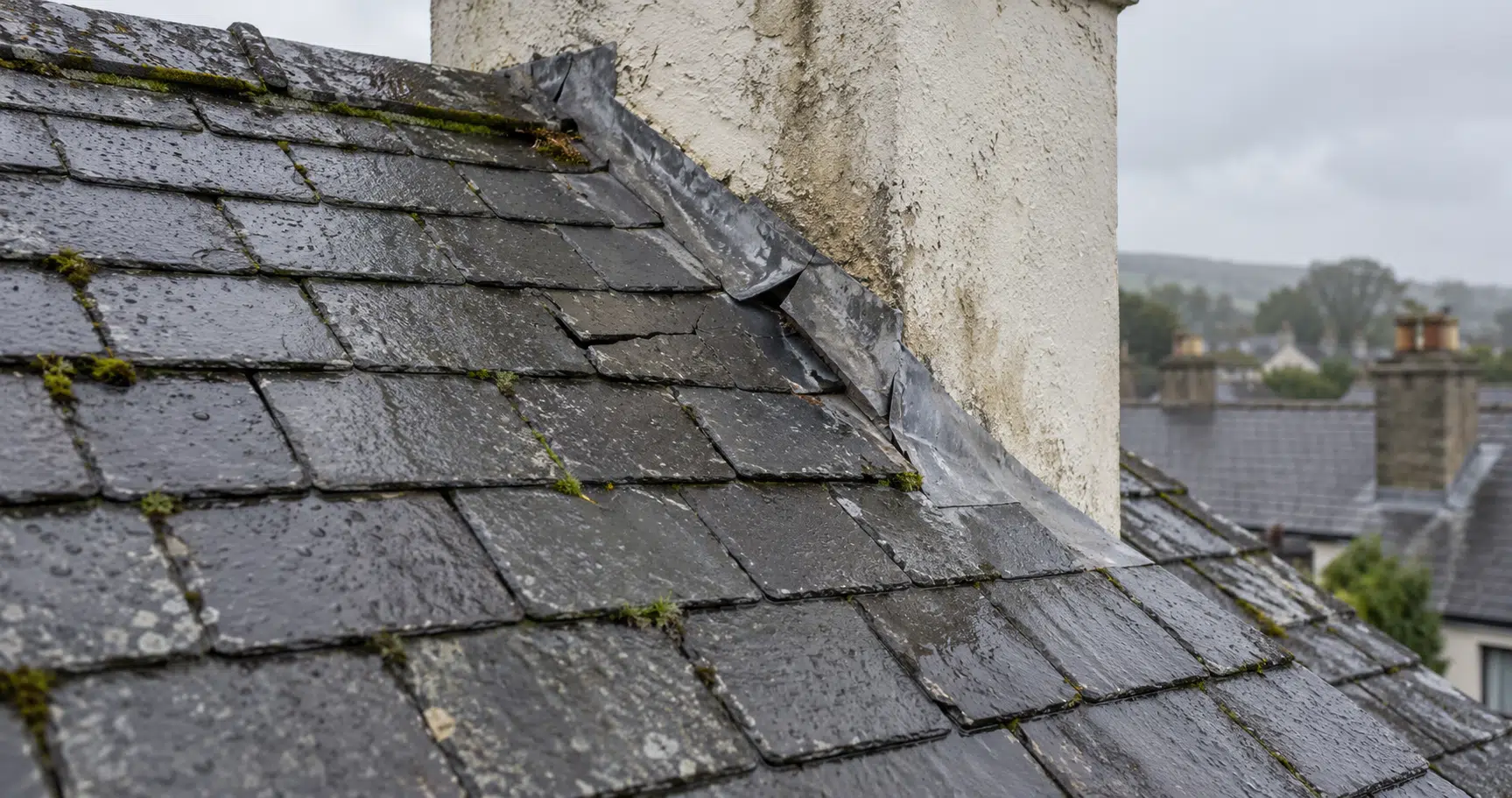
Flashing is that metal or plastic material used to cover joints on your roof, like around chimneys, vents, and skylights. These are particularly vulnerable spots. If the flashing is rusted, cracked, or has come loose, water can easily get in. We've seen cases where damaged flashing has led to leaks right around chimneys, which is a serious concern, especially when the winter heating kicks in. Getting these areas checked is vital for preventing water ingress and is a key part of any good storm damage roof repair Dublin plan.
Pre-Storm Roof Inspection Checklist
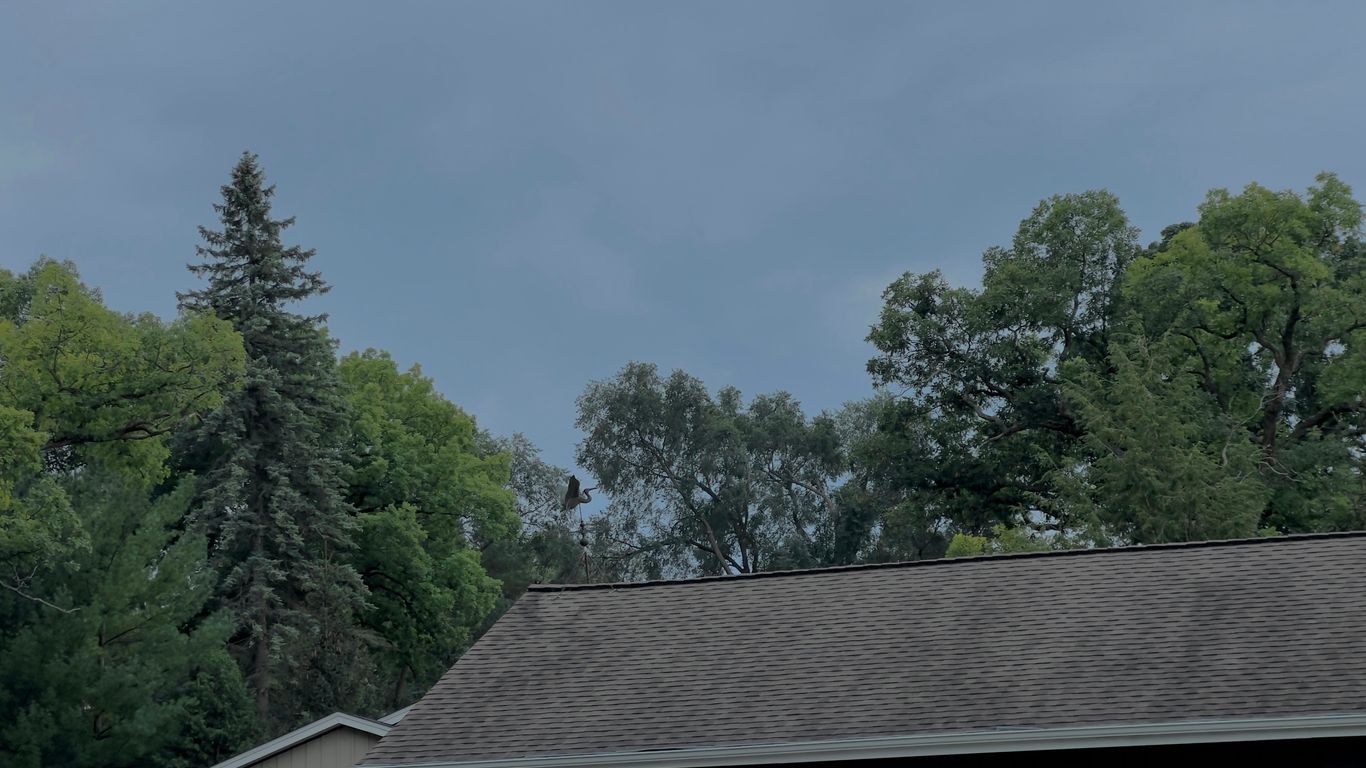
Right then, before Dublin really starts throwing its worst weather at us, we need to get our roofs checked. It’s not the most exciting job, but honestly, it’s way better than dealing with a leak when it’s pouring down. We’re talking about checking the roof for storm readiness here, and it’s something we can mostly do ourselves if we’re careful.
Visual Inspection from the Ground
First off, let’s just walk around the house. Grab some binoculars if you have them – makes spotting little issues much easier. We’re looking for anything that looks out of place. Are any tiles chipped, cracked, or just sitting funny? What about the flashing around the chimney or any vents? Does it look secure, or is there any rust or gaps? We should also keep an eye on the gutters. Are they sagging, or do they look like they’re about to fall off? Make a note of anything you see, maybe even snap a quick photo. It’s surprising what you can spot from down here.
Climbing Up for a Closer Look (Safety First!)
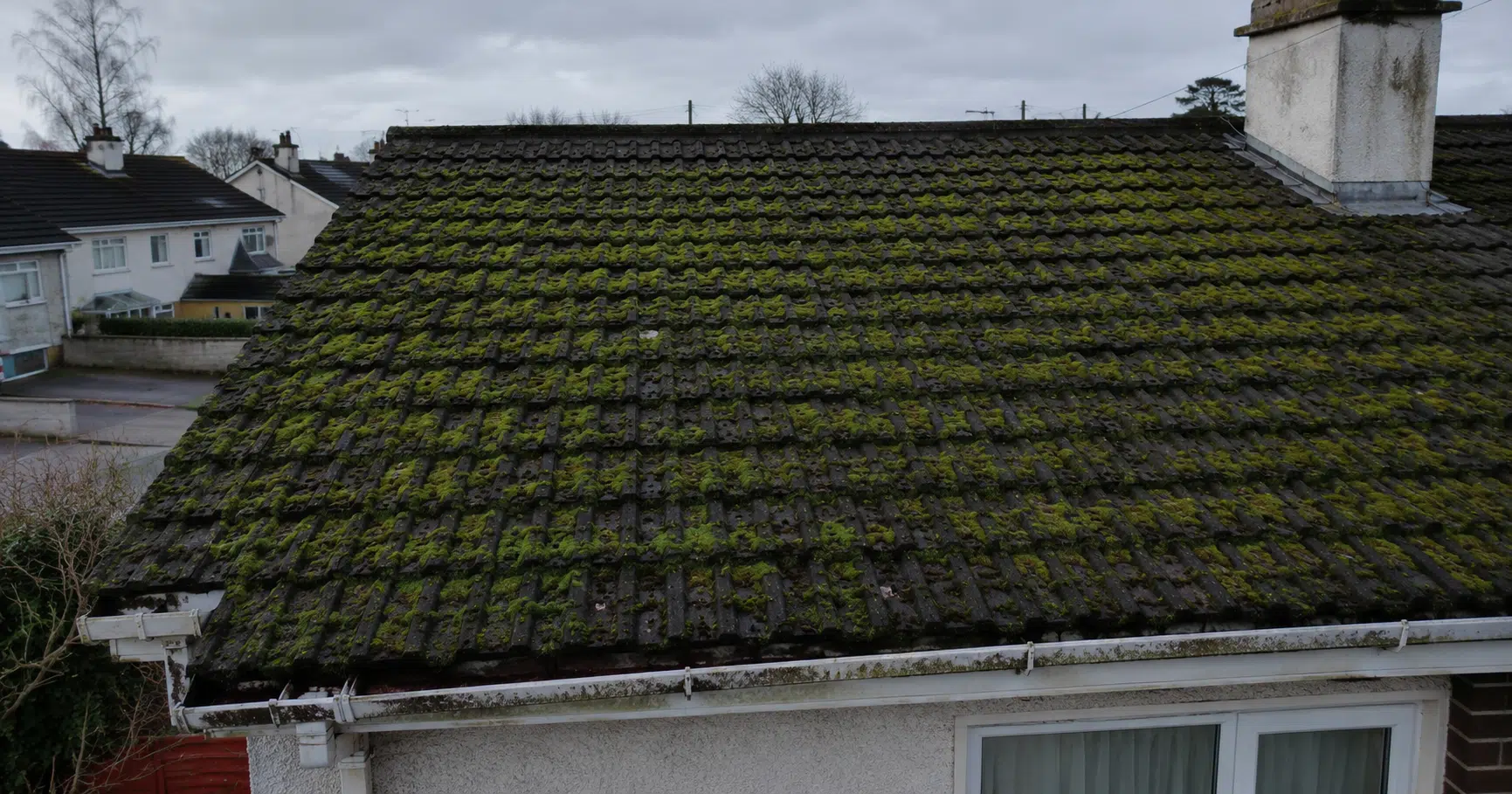
Now, if you’re comfortable and it’s safe to do so, getting a bit closer can tell us even more. This is where we really get into checking the roof for storm readiness. Make sure your ladder is stable and on firm ground before you even think about climbing. Once up there, we want to gently check for any loose shingles. Give them a little wiggle – if they move easily, they might need securing. Also, look for any debris that’s built up, especially in valleys or around the chimney, as this can block water flow. We should also check the condition of the shingles themselves. Are they brittle, curling, or missing their protective granules? If you see any signs of moss or algae growth, that’s another thing to note, as it can hold moisture. Remember, safety is the absolute priority here. If anything feels dodgy, don't push it – just make a note and call in a professional.
We're not looking to do major repairs ourselves, just to get a good idea of the roof's general condition before the bad weather hits. Think of it as a health check for your house's hat.
Here’s a quick list of what we’re looking for:
Missing, cracked, or loose roof tiles.
Damaged or corroded flashing around chimneys, vents, and skylights.
Debris build-up in gutters and valleys.
Signs of moss, algae, or general wear on shingles.
Any visible sagging or dips in the roofline.
Essential Roof Maintenance Tasks
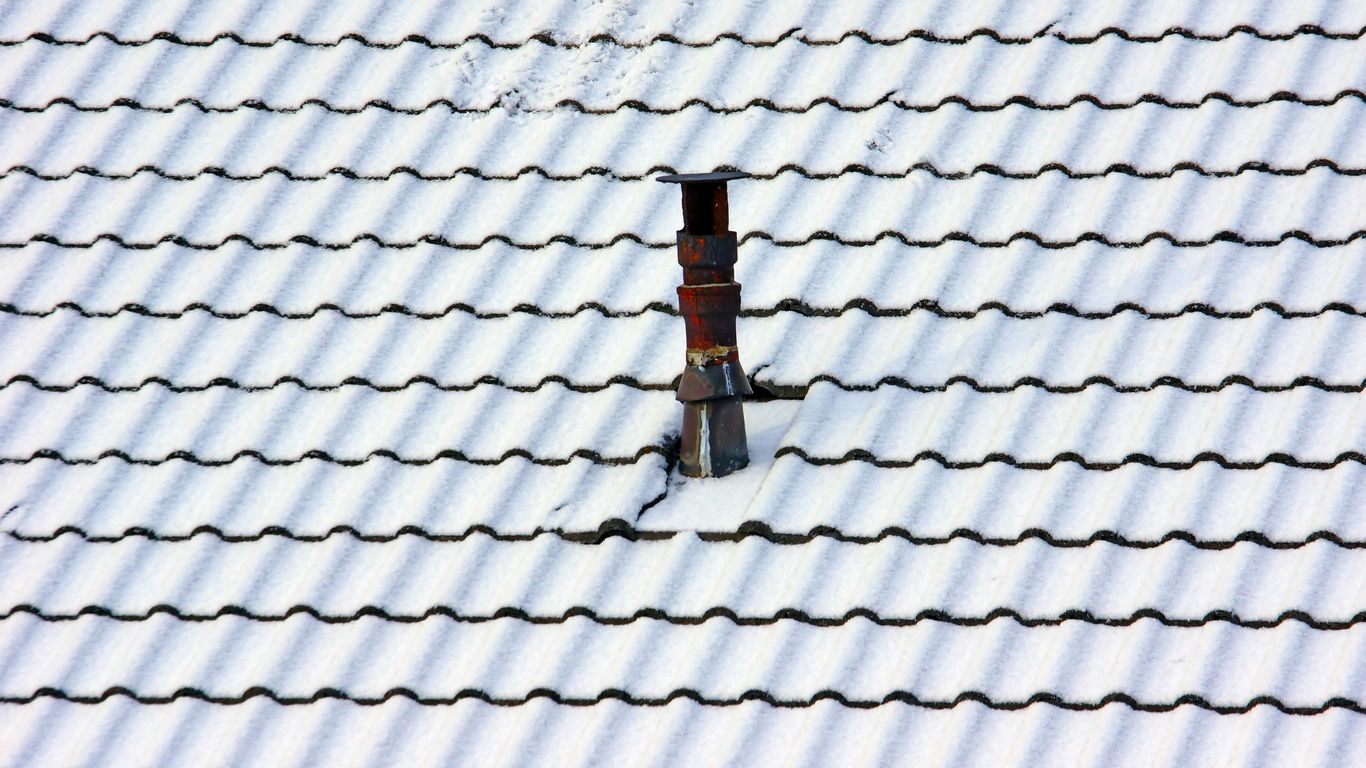
Right then, let's talk about keeping our roofs in good nick. It’s not just about fixing things when they go wrong, is it? We need to be a bit more on the ball, especially with Dublin's weather. Doing a bit of regular upkeep can save us a massive headache, and frankly, a lot of cash down the line. Think of it as giving our homes a bit of a pamper session before the real drama starts.
Cleaning Gutters and Downspouts
This is one of those jobs that’s easy to put off, but it’s super important. When our gutters get clogged up with leaves, twigs, and all sorts of other gunk, water can’t drain away properly. This means it can start pooling up, and that’s when you get problems. It can seep under the tiles, damage the fascia boards, and even cause damp issues inside the house. We really need to make sure they’re clear, especially before the heavy rain hits.
Clear out debris regularly: Get rid of leaves, moss, and any other muck that’s built up.
Check for blockages: Make sure water can flow freely through the downspouts.
Inspect for damage: Look for any cracks or loose sections in the gutters themselves.
It might not be the most glamorous job, but keeping those gutters clean is a big part of effective weatherproofing roof Dublin homes. If you’re not keen on doing it yourself, or if your gutters are hard to reach, it’s definitely worth getting a professional in. They can sort it out quickly and safely.
Securing or Replacing Shingles
Shingles are like our roof’s armour. When they’re loose, cracked, or missing, that’s an open invitation for water to get in. We should be giving them a good look over, especially after a strong wind. Sometimes, a shingle might just be lifting a bit, and a bit of roofing cement or a few new nails can sort it. Other times, if a shingle is really damaged or old, it’s best to just replace it. It’s much cheaper to swap out a few shingles than to deal with a leak that’s spread.
A small problem with a shingle can quickly turn into a much bigger, more expensive issue if left unattended. It’s always better to tackle these minor repairs head-on.
We need to be looking for:
Curling or cupping shingles.
Cracked or broken pieces.
Shingles that are missing granules (they’ll look a bit bald).
Areas where shingles have come loose.
If you spot any of these, it’s time to act. For minor fixes, we might be able to do it ourselves, but if you’re unsure, or if there’s a lot of damage, it’s best to call in the experts. They have the right tools and know-how to get the job done properly, making sure your roof is sound and ready for whatever the weather throws at us. Getting a professional to assess any damage can prevent bigger problems, and sometimes, a quick fix can save you a lot of money compared to emergency repairs.
When to Call a Professional Roofer
Sometimes, despite our best efforts, a roof problem is just beyond a quick fix. If you've spotted missing shingles, or perhaps noticed some curling or cracked tiles, it's definitely time to get in touch with a professional. Leaks and those tell-tale water stains on your ceiling are also pretty clear signs that an expert eye is needed.
We've all been there, thinking we can tackle a job ourselves, but when it comes to your roof, especially with Dublin's unpredictable weather, it's often best to call in the cavalry. If your roof is getting on a bit, say over 20 years old, and you're seeing general wear and tear, it might be worth a chat with a roofer. The same goes if you've ignored a few small issues over the years and now they seem to be piling up, or if multiple little problems have popped up all at once. It’s also a good idea to get a professional opinion if you notice that homes around your neighbourhood are also needing roof work.
Don't wait until the storm hits to realise you have a problem. Early detection and repair are always more cost-effective than dealing with emergency repairs during harsh winter weather. It can save you a lot of stress and money in the long run.
Here are a few more pointers:
You notice visible damage after a recent storm or high winds.
There have been insurance claims for roof damage in your area.
You see damage on neighbouring properties that looks similar to issues on your own roof.
You've heard reports of severe weather hitting our locality.
If you're unsure about the condition of your roof, or if you've found any of the issues mentioned above, it's always wise to get a professional assessment. They can provide expert advice and ensure your roof is ready for whatever the season throws at it. Getting a professional inspection can help identify problems before they become emergencies, and their transparent pricing means you'll know exactly what needs doing and what it will cost.
If you're concerned about your roof's condition, it's best to get it checked out by a professional roofer. You can find local experts who offer free consultations to assess any potential issues and provide a clear plan for repairs or maintenance. This proactive approach can prevent minor problems from escalating into major, costly damage, especially when preparing for the colder months.
Frequently Asked Questions
When is the best time to check our roof for storm damage?
We recommend checking your roof at least twice a year. It's a good idea to do a thorough inspection in the spring and again in the autumn. This way, we can catch any little problems before the really bad weather hits in winter or during the summer heat.
What are the most common roof problems we might see during a storm?
Storms can cause all sorts of trouble for our roofs! We often see loose or missing tiles that the wind has lifted. Gutters can get blocked with leaves and debris, causing water to overflow. Sometimes, the metal flashing around chimneys or vents can get damaged or pulled away, letting water in.
How can we tell if our roof needs attention before the storm season?
A simple visual check from the ground can tell you a lot. Look for any tiles that seem out of place, cracked, or curled. Check if your gutters are overflowing or pulling away from the house. If you're comfortable and it's safe, a closer look might reveal more obvious damage.
What are the most important things we should do to maintain our roof?
Keeping your gutters clean is super important to stop water from building up. We also need to make sure our roof tiles are all secure and replace any that are damaged. Trimming back any trees with branches hanging over the roof is a good idea too, to stop leaves from clogging things up.
When should we definitely call a professional roofer?
If you see any signs of water damage inside your home, like stains on the ceiling or walls, it's time to call us. Also, if you notice your roof looks like it's sagging in certain areas, or if you see daylight coming through the roof boards, you need an expert opinion right away.
How much difference can regular roof maintenance make?
A massive difference! Keeping on top of small issues means we can fix them cheaply before they turn into big, expensive problems. It's like going to the dentist regularly – it saves you a lot of pain and money in the long run compared to waiting until you have a toothache!
Can we wait until spring to fix minor roof damage we notice now?
We strongly advise against that. Even small problems can get much worse with winter rain, wind, and frost. Water can seep into tiny cracks and freeze, making them bigger. It's always better and cheaper to get repairs done before the harsh weather sets in.
What should we do if we discover roof damage during the winter storms?
Don't panic! The first thing to do is contact us immediately. We offer emergency services and can often make temporary fixes to prevent further damage until we can carry out a permanent repair when the weather allows.