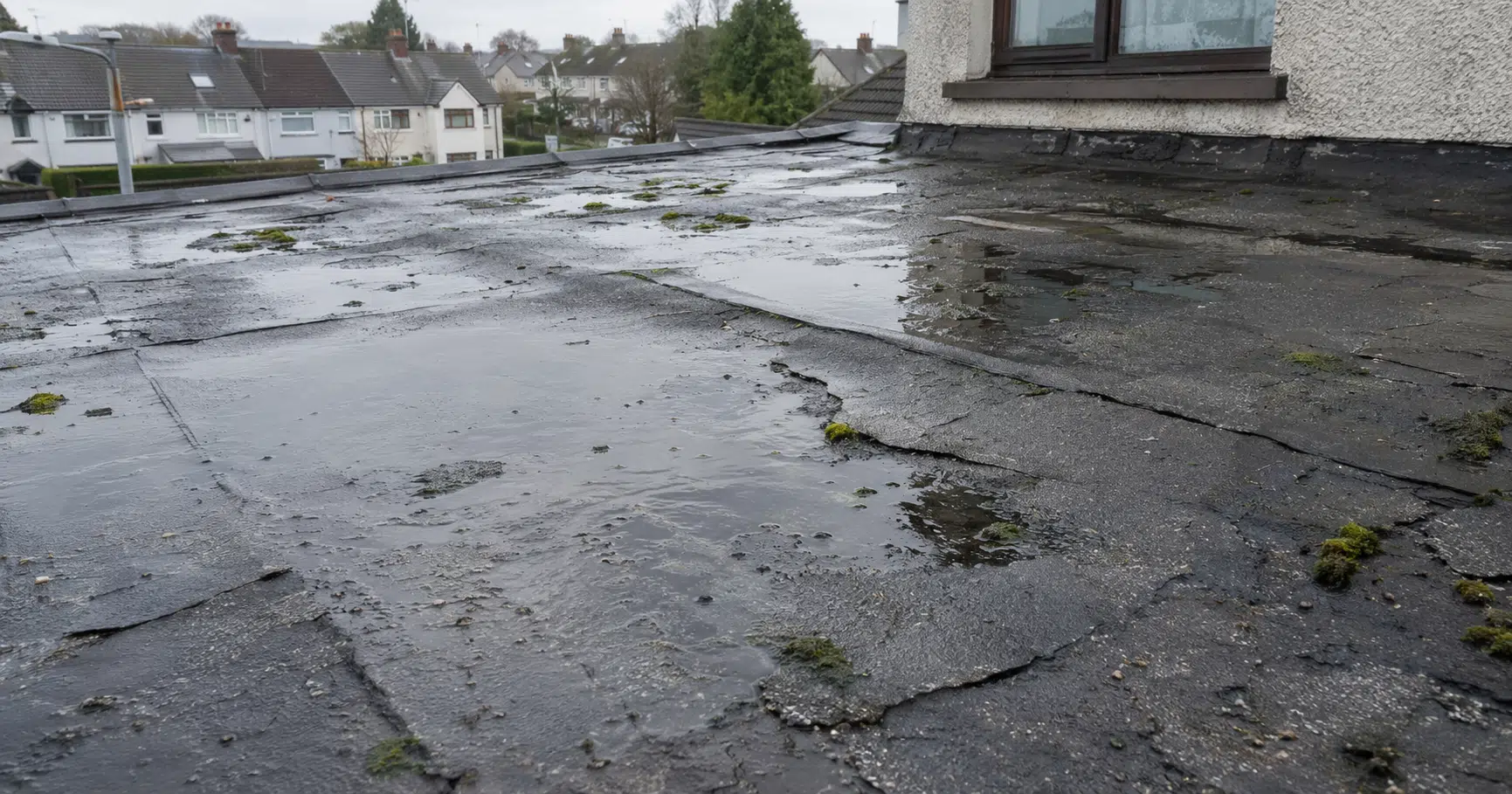
How to Get Rid of Moss on Your Roof in Ireland (Without Damaging It)
If your roof has turned green, you're in good company. Ireland's damp, mild climate is close to ideal for moss, and left to its own devices it will happily spread across tiles and slates until the whole roof looks tired and neglected. The temptation is to grab a power washer or climb up with a stiff wire brush and blast it all off in an afternoon. Please don't. The wrong method can do far more damage to your roof than the moss ever would, and it's one of the most common ways homeowners turn a cosmetic problem into an expensive one.
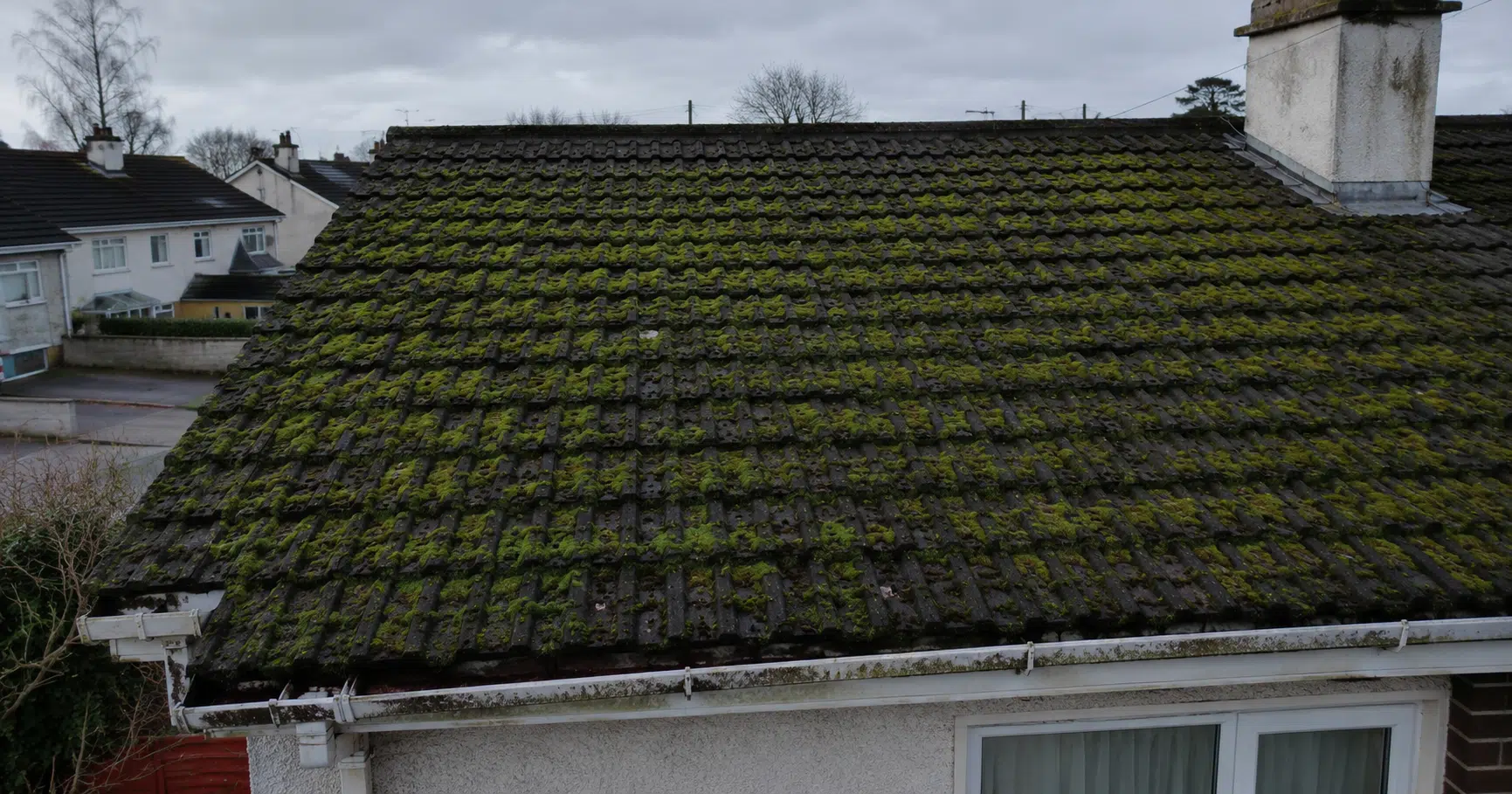
Ireland's damp climate makes moss almost inevitable, but how you remove it matters enormously.
This guide walks through how to get moss off your roof safely, the methods to avoid at all costs, and how to stop it coming straight back. Done properly, removing moss protects your roof; done badly, it wrecks it.
Key Takeaways
- Moss thrives in Ireland's damp, mild climate, especially on shaded and north-facing roofs.
- Never power wash a roof, as high pressure cracks tiles, strips their surface and forces water underneath.
- The safe method is gentle manual removal plus a biocide treatment, which kills moss at the root.
- Moss is more than an eyesore, it holds moisture, lifts tiles and clogs gutters if left.
- Working at height is genuinely dangerous, so anything beyond a light, low, safe job is best left to a professional.
Why Irish Roofs Get So Mossy
Moss needs three things to flourish: moisture, shade and something to cling to, and Irish roofs offer all three in abundance. Our climate is damp and mild for most of the year, with rain on a large share of days, which you can see in Met Éireann's climate data. Add in the shade from trees and neighbouring buildings, north-facing slopes that rarely see direct sun, and the slightly rough surface of concrete tiles, and you've created the perfect nursery. Moss spores are carried on the wind and are essentially everywhere, so given the right conditions, a roof will green over surprisingly quickly.
Is Moss Actually a Problem, or Just Ugly?
It's a fair question, and the honest answer is that it's both. Left long enough, moss does real damage:
- It holds moisture against the roof. Moss acts like a sponge, keeping tiles damp long after the rain stops, which raises the risk of damp and leaks.
- It lifts and cracks tiles. As moss expands and freezes in winter it can force tiles and slates out of position, sometimes leaving you needing tile or slate replacement.
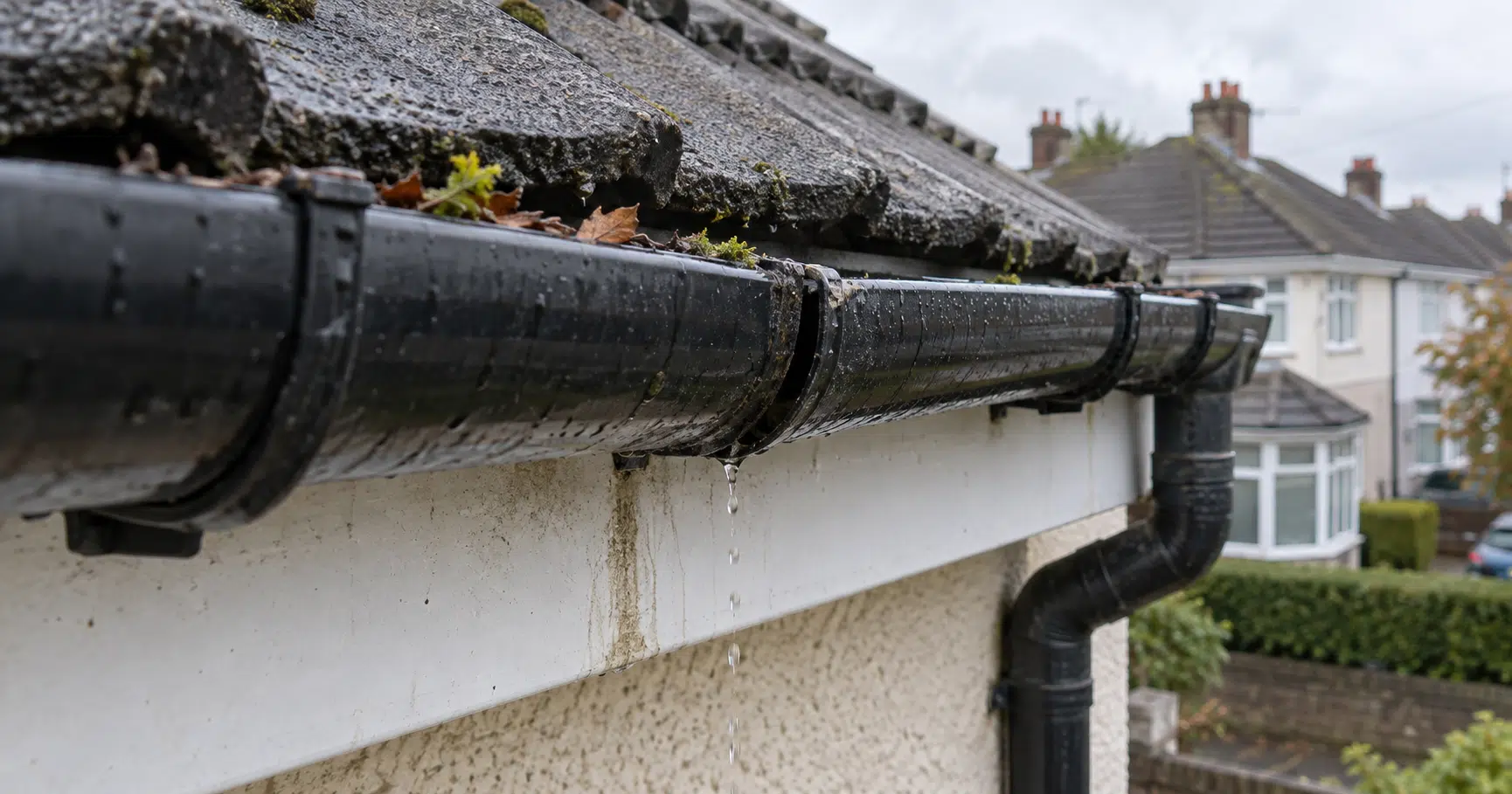
- It clogs your gutters. Clumps of moss break off, wash down and block gutters and downpipes, causing the overflow that damages fascia and walls, which is where gutter clearing and repair comes in.
- It shortens your roof's life. The combination of trapped moisture and displaced tiles wears the whole roof down faster than it should.
So while a light dusting of moss won't hurt overnight, letting it build up year after year is asking for trouble.
How to Get Rid of Moss on Your Roof, Safely
The golden rule is this: be gentle, and never use high pressure. The safe approach removes the moss mechanically and then treats the surface so it doesn't come straight back. Here's the method in order.
1. Safety First
Before anything else, be honest about the risk. Roof work causes serious falls every year, and no clean roof is worth an injury. The Health and Safety Authority's guidance on working at height is worth reading, and the simple rule of thumb is that if you can't reach the moss safely and comfortably, it's a job for someone with the right equipment and training.
2. Remove the Moss by Hand
Working from a stable position, gently scrape and brush the moss away using a plastic scraper or a soft-to-medium brush. Always work downwards, in the direction the tiles overlap, so you don't lift or dislodge them, and never dig at the tiles or force anything. The aim is to lift the bulk of the moss off without harming the surface underneath.
3. Apply a Biocide Treatment
Manual removal takes off what you can see, but the roots and spores remain. A proper roof biocide, applied and left to work, kills off the remaining growth so it doesn't simply regrow within months. This step is what separates a quick tidy-up from a lasting clean.
4. Clear the Gutters
All that moss you've removed has to go somewhere, and a lot of it will end up in your gutters. Clearing the gutters and downpipes afterwards stops the blockages and overflow that moss debris causes.
5. Consider a Protective Treatment
To keep the roof cleaner for longer, a protective treatment or coating can be applied once the roof is clean and dry. It slows regrowth and, on concrete tiles, can restore colour and add a layer of protection.
The Methods Compared
Not all moss removal is equal. Here's how the common approaches stack up.
| Method | Removes moss? | Risk to tiles | Slows regrowth? | Verdict |
|---|---|---|---|---|
| Power washing | Yes, quickly | High, cracks & strips tiles | No | Avoid |
| Hand scraping / brushing | Mostly | Low if done gently | No, on its own | Good first step |
| Soft wash + biocide | Yes, thoroughly | Low | Yes | Recommended |
Why You Should Never Power Wash Your Roof
It's worth being crystal clear on this, because it's the single most damaging thing people do to their roofs in the name of cleaning them. A pressure washer might blast the moss off in minutes, but the same force does three things you really don't want. It cracks and chips tiles, especially older or already-weakened ones. It strips the protective surface from concrete tiles, the layer that helps them shed water and resist growth, which ironically makes moss come back faster. And it drives water up under the tiles and into the roof space, where it can cause leaks and damp. What looks like a cheap, quick clean can leave you needing genuine repairs.

The safe approach: gentle manual removal and a soft wash treatment, never high pressure.
DIY or Call a Professional?
A light bit of moss on a low, easily reached roof, like a single-storey extension or a garage, can be a reasonable DIY job if you're careful and set up safely. Beyond that, it's usually one to hand over. The reasons are simple: working at height is dangerous, the safe method needs the right equipment and treatment, and a professional will spot other issues, like a slipped tile or worn flashing, while they're up there. Our roof cleaning and moss removal service uses the soft wash method, clears the gutters as part of the job, and can apply a protective treatment to keep the roof cleaner for longer. If you'd rather just get the roof checked first, a roof inspection will tell you what condition it's really in.
How to Keep Moss From Coming Back
Once your roof is clean, a bit of upkeep keeps it that way for years:
- Apply a biocide or protective coating, which slows regrowth far more than cleaning alone.
- Keep the gutters clear, so debris and moisture don't build up at the roof edge.
- Trim back overhanging branches, which cut the shade and leaf-fall that moss loves.
- Have the roof checked periodically, so light growth is dealt with before it takes hold again.
Roof gone green, and you'd rather it was done safely?
We'll remove the moss with the safe soft wash method, clear your gutters, and treat the roof to keep it cleaner for longer, with a clear, no-obligation price.
Get a Free QuoteFrequently Asked Questions
Can I remove moss from my roof myself?
You can, for a light amount on a low, easily and safely reached roof, using a plastic scraper and a soft brush and working downwards so you don't dislodge tiles. The big caveats are safety and method: roof falls are serious, and you must never use a power washer. For anything high, steep or heavily covered, it's safer and more effective to have it done professionally.
Is it bad to leave moss on a roof?
A small amount won't cause harm quickly, but left to build up, moss holds moisture against the tiles, can lift and crack them as it freezes, and clogs your gutters as it breaks away. Over time that shortens the life of the roof, so it's worth dealing with rather than ignoring.
Why shouldn't I power wash my roof?
High-pressure washing cracks and chips tiles, strips the protective surface off concrete tiles, and forces water up underneath them into the roof space, which can cause leaks. It also tends to make moss return faster once the protective surface is gone. The safe alternative is gentle manual removal followed by a soft wash and biocide treatment.
Will moss grow back after cleaning?
Some regrowth is natural over time, but a proper biocide treatment kills the moss and spores at the root and slows how quickly it returns. Adding a protective coating, keeping gutters clear and trimming back overhanging branches all help keep the roof cleaner for longer.
Can I use bleach or household chemicals to kill roof moss?
It's not a good idea. Household bleach and strong chemicals can damage tiles and surrounding planting, run off into drains, and often don't tackle the moss at the root the way a proper roof biocide does. A purpose-made treatment applied correctly is safer and far more effective.