Understanding Flat Roofs: Key Features and Design
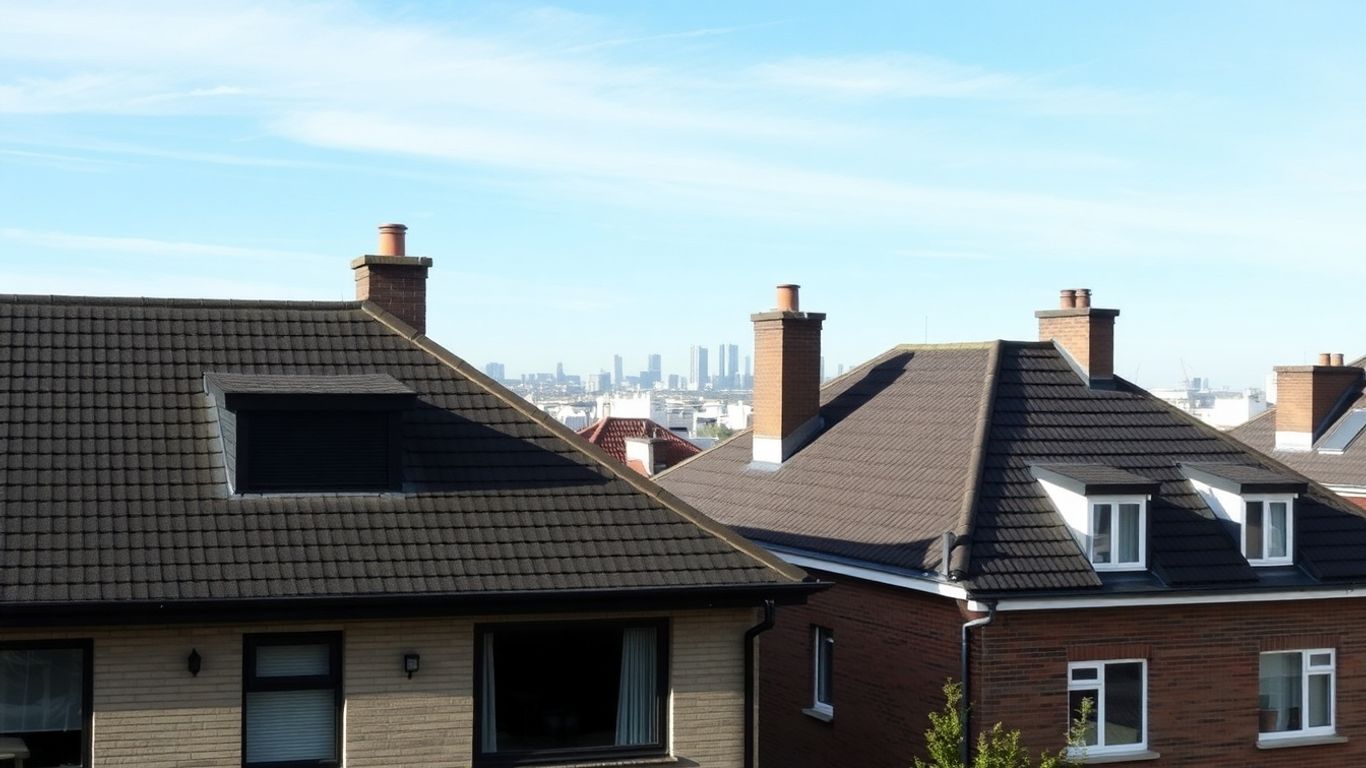
Flat roofs, while not entirely flat, feature a very low slope, typically less than 10 degrees. This design choice has become increasingly popular, especially in modern architecture, offering a distinct aesthetic and several practical advantages. Their clean lines and minimalist appearance are a significant draw for contemporary homes and urban extensions. Unlike traditional pitched roofs that shed water quickly, flat roofs rely on a carefully constructed system to manage water runoff, usually through internal drains or scuppers. This design approach is central to their functionality and longevity.
Key features often include:
Low Slope: Designed to direct water towards drainage points, not shed it rapidly.
Membrane Systems: Typically covered with a continuous waterproof membrane, such as EPDM, TPO, PVC, or modified bitumen, to prevent leaks.
Drainage: Incorporates internal drains, gutters, or scuppers to collect and channel water away.
Insulation: Often designed to accommodate significant insulation layers, contributing to energy efficiency.
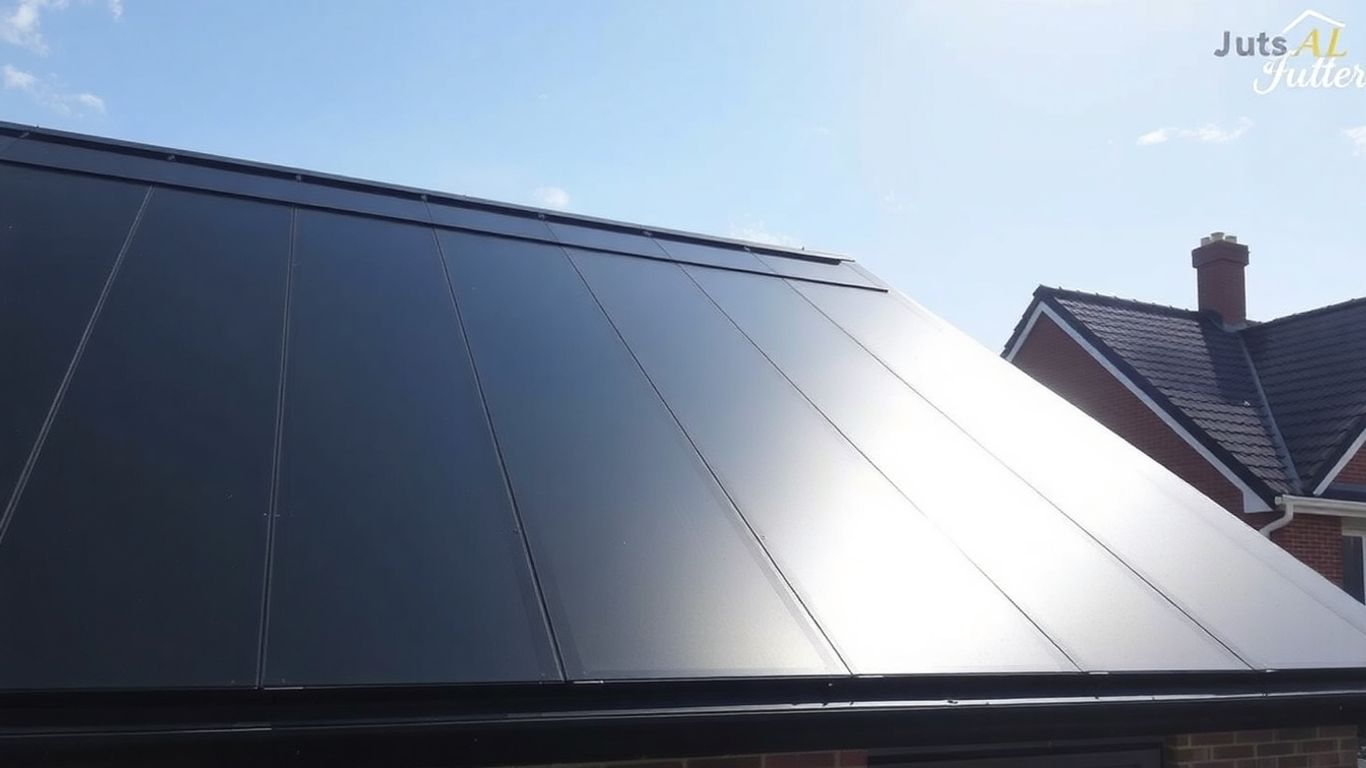
These roofs are also celebrated for their versatility, enabling various uses that pitched roofs simply can’t accommodate. This includes the creation of usable outdoor spaces like rooftop gardens or patios, and the straightforward installation of solar panels or HVAC units. The simplicity of their construction also contributes to their appeal, often making them more cost-effective to install initially compared to complex pitched roof designs. This focus on functionality and modern roof design benefits makes them a compelling option for many homeowners looking for a different approach to roofing.
The Advantages of Flat Roofs for Dublin Homes
When you’re thinking about roofing options for your home in Dublin, flat roofs often come up, and for good reason. They’re not just about a modern look; there are some solid practical benefits to consider. Let’s break down why a flat roof might be the right choice for you.
Cost-Effectiveness and Installation Simplicity
One of the most appealing aspects of flat roofs is their initial cost. Generally, they require fewer materials and a simpler construction process compared to traditional pitched roofs. This often means lower installation expenses, which can be a significant factor for many homeowners. The straightforward nature of the build also means less time on site, further reducing labour costs. This makes them a very attractive option if you’re budget-conscious from the outset.
Maximising Usable Space: Rooftop Patios and Gardens
This is where flat roofs really shine, especially in urban settings like Dublin where outdoor space can be limited. A flat roof essentially gives you an extra floor to play with. Imagine a rooftop patio for entertaining, a small garden to grow herbs, or even just a quiet space to relax. It’s a fantastic way to make the most of your property’s footprint and add real value and enjoyment to your home. It’s a clever way to expand your living area without needing to build outwards.
Easier Maintenance and Repair Access
While all roofs need maintenance, flat roofs can sometimes offer easier access for routine checks and repairs. Because the surface is level, it’s generally safer and simpler for professionals to walk on and inspect. This can translate into more straightforward and potentially less costly maintenance over the years. If a minor issue does crop up, getting it fixed is often less complicated than with a steeply pitched roof. This ease of access is one of the key advantages of flat roofing systems.
Modern Aesthetics and Architectural Versatility
Beyond the practicalities, flat roofs offer a distinct modern aesthetic that many people find appealing. They lend themselves well to contemporary architectural designs, creating clean lines and a minimalist look. This style is versatile and can complement a wide range of property types, from new builds to extensions. If you’re aiming for a sleek, up-to-date appearance for your home, a flat roof is definitely worth considering. It’s a big part of why choose a flat roof for your home.
Choosing a flat roof isn’t just about the look; it’s about smart use of space and potentially lower initial costs. While there are things to watch out for, like drainage, the benefits for modern living are clear.
The Downsides of Flat Roofs: Potential Challenges
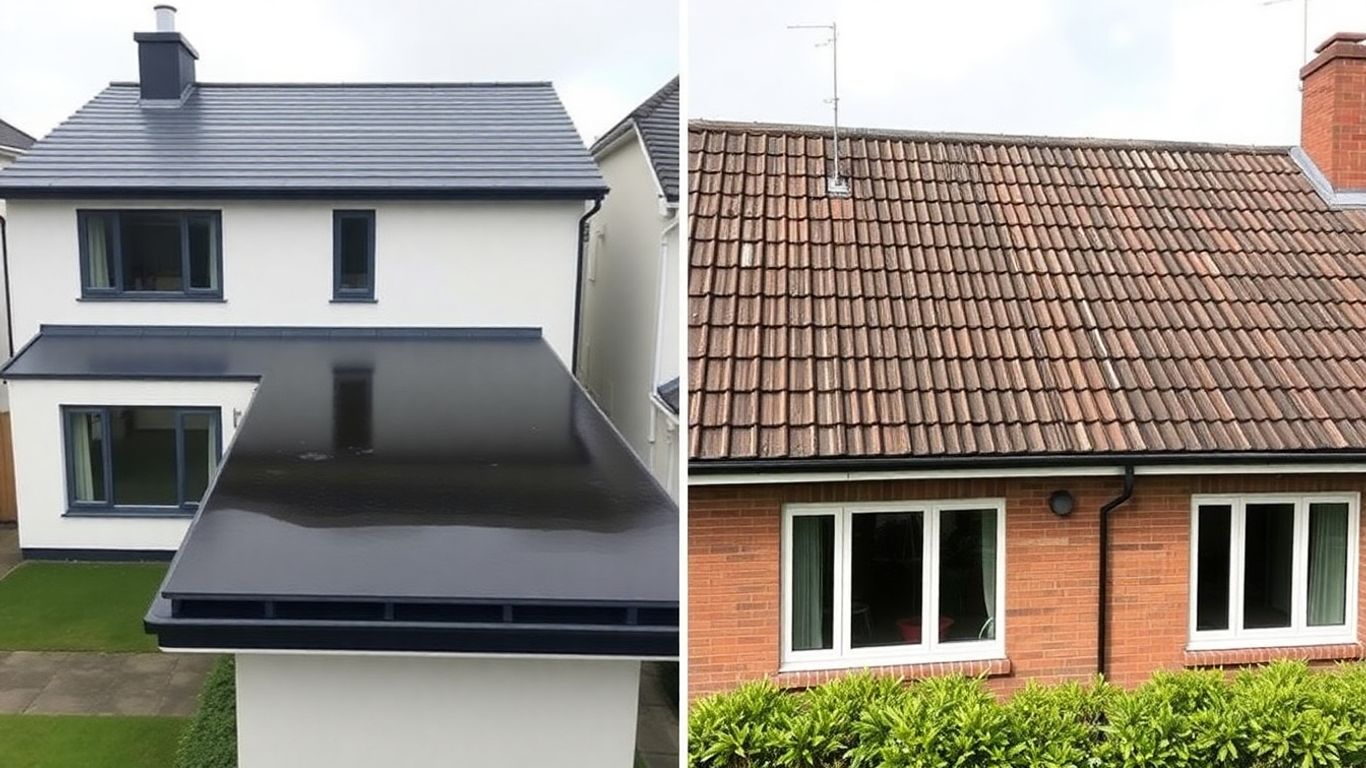
While flat roofs have their appeal, especially for modern designs and maximising space, they aren’t without their problems. It’s important to be aware of these potential issues before committing.
Water Drainage and Ponding Concerns
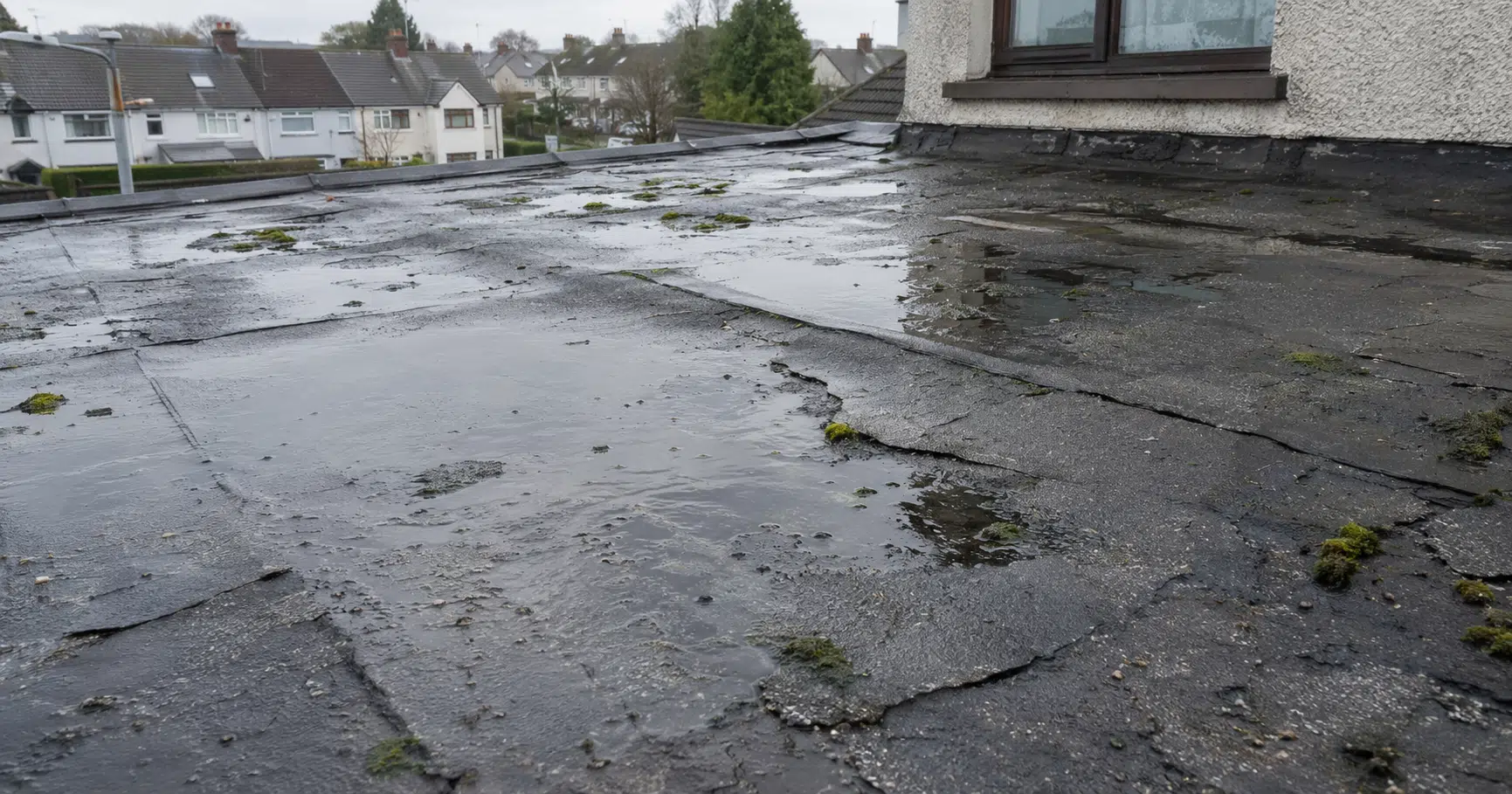
One of the biggest headaches with flat roofs is water. Because they aren’t steeply sloped like traditional pitched roofs, water can sit on the surface, a phenomenon known as ponding. This is a real problem. If the roof isn’t designed with a very slight slope and effective drainage systems, water can build up. This standing water puts extra weight on the roof structure, which isn’t ideal, and it can also find its way into tiny cracks or seams, leading to leaks. Over time, this can cause serious damage to the roof materials and even the building’s interior.
Poor drainage can lead to leaks and structural damage.
Regular cleaning of gutters and drainage outlets is vital.
Consider the materials used; some are more resistant to water damage than others.
The key to avoiding these issues lies in meticulous design and installation. A properly installed flat roof will have a slight gradient to guide water towards drainage points, and these points need to be kept clear of debris.
Durability and Lifespan Considerations
Flat roofs, particularly those using certain membrane materials, can sometimes have a shorter lifespan compared to traditional pitched roofs covered in tiles or slates. Exposure to the elements – think UV rays from the sun, temperature fluctuations, and that standing water we just talked about – can cause the roofing materials to degrade over time. This might mean you’re looking at more frequent repairs or even needing to replace the roof sooner than you’d hoped.
Here’s a rough idea of what you might expect:
Roof Type | Typical Lifespan (Years) | Notes |
|---|---|---|
Flat Roof | 15-25 | Varies greatly with material and upkeep |
Pitched Roof | 40-70+ | With traditional tiles or slates |
It’s not all doom and gloom, though. Modern flat roofing materials are much improved, and with good maintenance, they can last a good while. The trick is choosing the right material for Dublin’s climate and keeping up with regular checks.
Pitched Roofs: A Traditional Alternative in Dublin
When you think of a typical Dublin home, chances are you picture a pitched roof. These roofs, with their recognisable slopes and peaks, have been a staple for centuries, offering a classic aesthetic that many homeowners favour. They’re not just about looks, though; their design is inherently practical, especially for Ireland’s often unpredictable weather.
The primary advantage of a pitched roof lies in its ability to shed water effectively. The angle means rain, snow, and debris simply run off, significantly reducing the risk of leaks or water pooling, which can be a real headache with flatter designs. This natural drainage is a big plus, particularly in a city like Dublin that sees its fair share of rain.
While often seen as more traditional, pitched roofs can still be adapted to suit various architectural styles. They also provide valuable internal space, often in the form of an attic or loft. This area can be used for storage, extra insulation, or even converted into additional living space down the line, adding real value to your home.
However, it’s not all straightforward. Pitched roofs generally require more materials and a more complex installation process compared to their flat counterparts. This often translates to a higher initial cost. Despite this, many find that the longevity and reduced maintenance needs of a well-built pitched roof make them a sound, cost-effective roofing solution over the long term.
Superior Water Drainage: The slope actively directs water away, minimising leak risks.
Attic Space Potential: Offers opportunities for storage or conversion.
Traditional Aesthetics: Blends well with the character of many Dublin neighbourhoods.
Durability: When constructed properly, they tend to have a longer lifespan.
While the upfront investment for a pitched roof might be higher, the long-term benefits in terms of durability and reduced maintenance can make it a more economical choice for many homeowners in the long run.
Comparing Flat vs. Pitched Roof Costs in Dublin
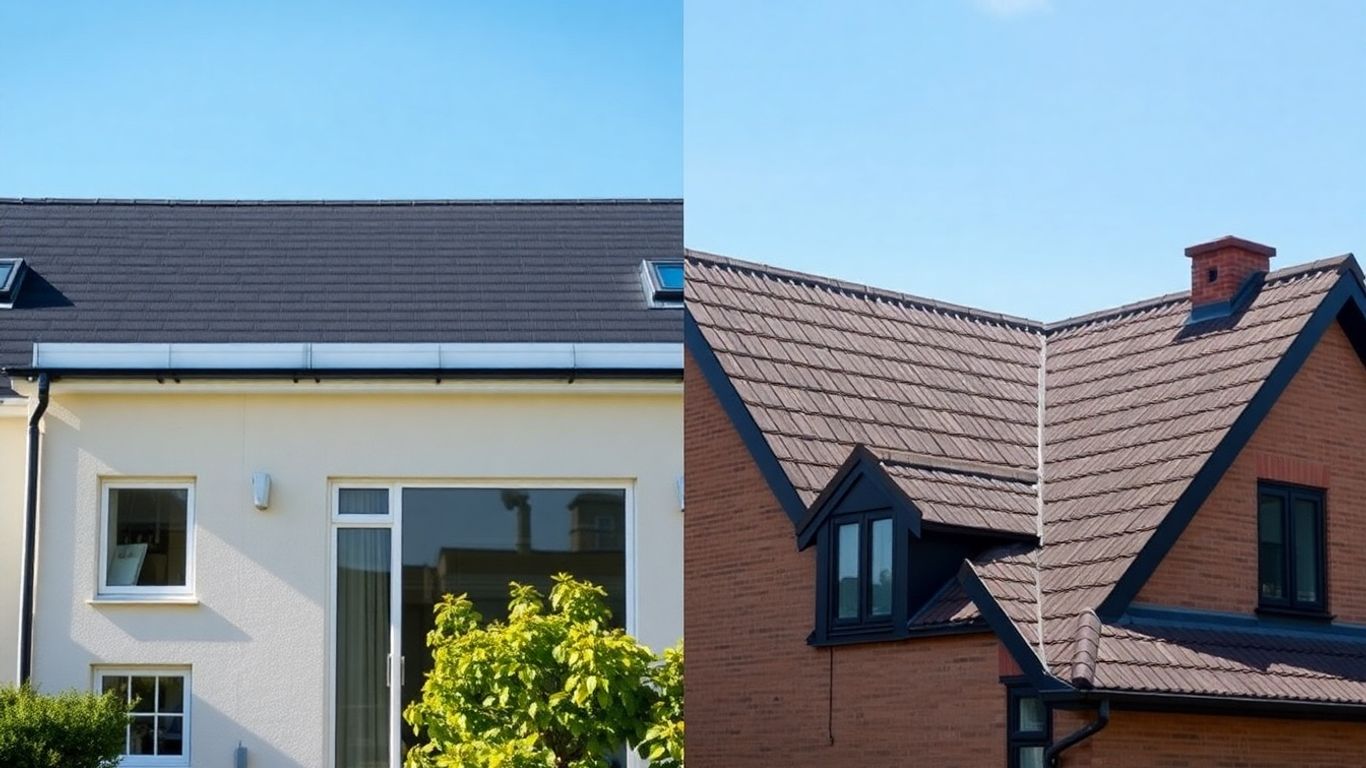
When you’re looking at new roofs for your place in Dublin, the cost is obviously a big thing to think about. Generally speaking, flat roofs tend to be cheaper to put on initially. This is because they usually need fewer materials and the installation process is a bit more straightforward. Think simpler construction, less labour.
Pitched roofs, on the other hand, often come with a higher upfront price tag. You’re dealing with more complex angles, more materials like tiles or slates, and often a longer installation time. However, it’s not just about the initial outlay. You’ve got to consider the long game too.
Here’s a rough idea of what you might expect:
Feature | Flat Roof (Typical) | Pitched Roof (Typical) |
|---|---|---|
Initial Cost | Lower | Higher |
Lifespan | 20-30 years | 40-70 years |
Maintenance Cost | Potentially Higher | Lower |
The long-term savings from a pitched roof’s durability can sometimes outweigh the initial expense. While a flat roof might seem like the budget-friendly option today, its shorter lifespan and potentially more frequent maintenance needs could add up over the years. It really depends on what you’re prioritising – a lower immediate cost or a more robust, long-lasting investment.
It’s also worth remembering that energy efficiency plays a part. While pitched roofs naturally offer better airflow and insulation space, a well-insulated flat roof can be just as good, if not better, and might even offer opportunities for things like solar panels or green roofs that can save you money on energy bills down the line. So, while the initial price is a key factor, it’s just one piece of the puzzle when figuring out the true cost of your roof.
Making the Right Choice for Your Dublin Home
So, you’ve weighed up the good and the not-so-good of both flat and pitched roofs. It really boils down to what you want from your home and what you’re prepared to do to maintain it. Think about your priorities: is it that sleek, modern look and the extra space a flat roof can offer, or do you prefer the traditional charm and perhaps a bit less worry about water pooling?
Here’s a quick rundown to help you decide:
Modern Aesthetics & Usable Space: Flat roofs win here. They give you that clean, contemporary vibe and open up possibilities for rooftop terraces or even a small garden. It’s a way to get more out of your property footprint.
Maintenance & Durability: Pitched roofs generally handle Dublin’s weather a bit better with less fuss. Water runs off easily, and they often have a longer lifespan with fewer intensive maintenance needs compared to flat roofs, which require more regular checks for drainage and potential leaks.
Cost: While flat roofs can sometimes be cheaper to install initially, the long-term costs can vary depending on the materials and how well they’re maintained. Pitched roofs might have a higher upfront cost but can be more predictable over time.
Energy Efficiency: Both can be made energy efficient, but flat roofs might offer more straightforward opportunities for adding insulation or solar panels if designed correctly. It’s worth looking into the specific U-values and materials available for each type.
Ultimately, the best roof for your Dublin home is the one that aligns with your budget, your lifestyle, and your tolerance for upkeep. Don’t rush the decision; consider the long-term implications and perhaps chat with a local builder or roofer who understands the specific challenges of the Dublin climate. They can offer tailored advice based on your property’s unique situation.
Frequently Asked Questions
Which roof type is cheaper to put on a house in Dublin?
Generally, flat roofs tend to be less costly to install at first. This is because they usually need fewer materials and take less time to build compared to pitched roofs.
How do flat roofs handle Dublin’s weather?
Flat roofs need a good drainage system to deal with rain. With proper waterproofing and regular checks, they can manage Dublin’s weather, but pitched roofs are naturally better at shedding water quickly.
Can I use my flat roof for something extra?
Yes, absolutely! Flat roofs are great for creating extra space. You could have a rooftop garden, a patio area for relaxing, or even install solar panels.
Which type of roof lasts longer?
Pitched roofs, especially those made with durable materials like tiles or slate, usually last much longer than flat roofs. They can often last 40-70 years or more with good care.
Is maintenance easier on a flat or pitched roof?
It’s generally easier and safer to maintain a flat roof because you can walk on it more easily. However, flat roofs might need more frequent checks and upkeep to prevent issues like water pooling.
Do I need special permission for a flat roof extension?
It’s always a good idea to check with your local council. While flat roofs can sometimes be easier for extensions, there might be local rules or planning requirements you need to follow.