A Homeowner's Guide to Fascia & Soffit Care in Dublin
Stand at your gate and look up at the edge of your roof. Those boards running along the bottom of the roofline, the upright one your gutter is fixed to and the flat one tucked underneath, are your fascia and soffit. Most of us never give them a second thought until paint starts peeling, a gutter sags, or there's a bird nesting somewhere it shouldn't be. Yet they quietly do some of the most important protective work on the whole house, and in Dublin's damp, blustery climate they take a serious beating.
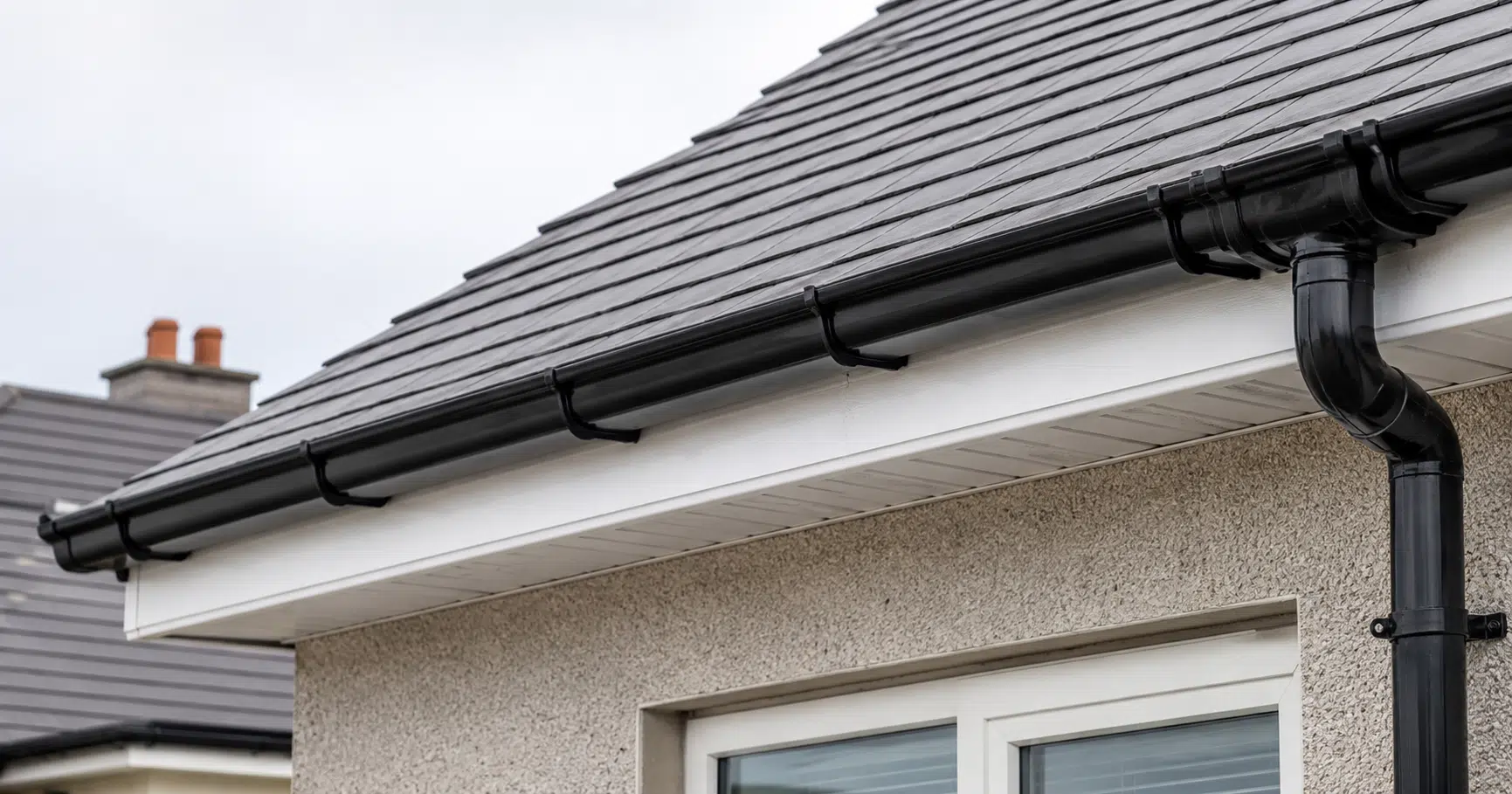
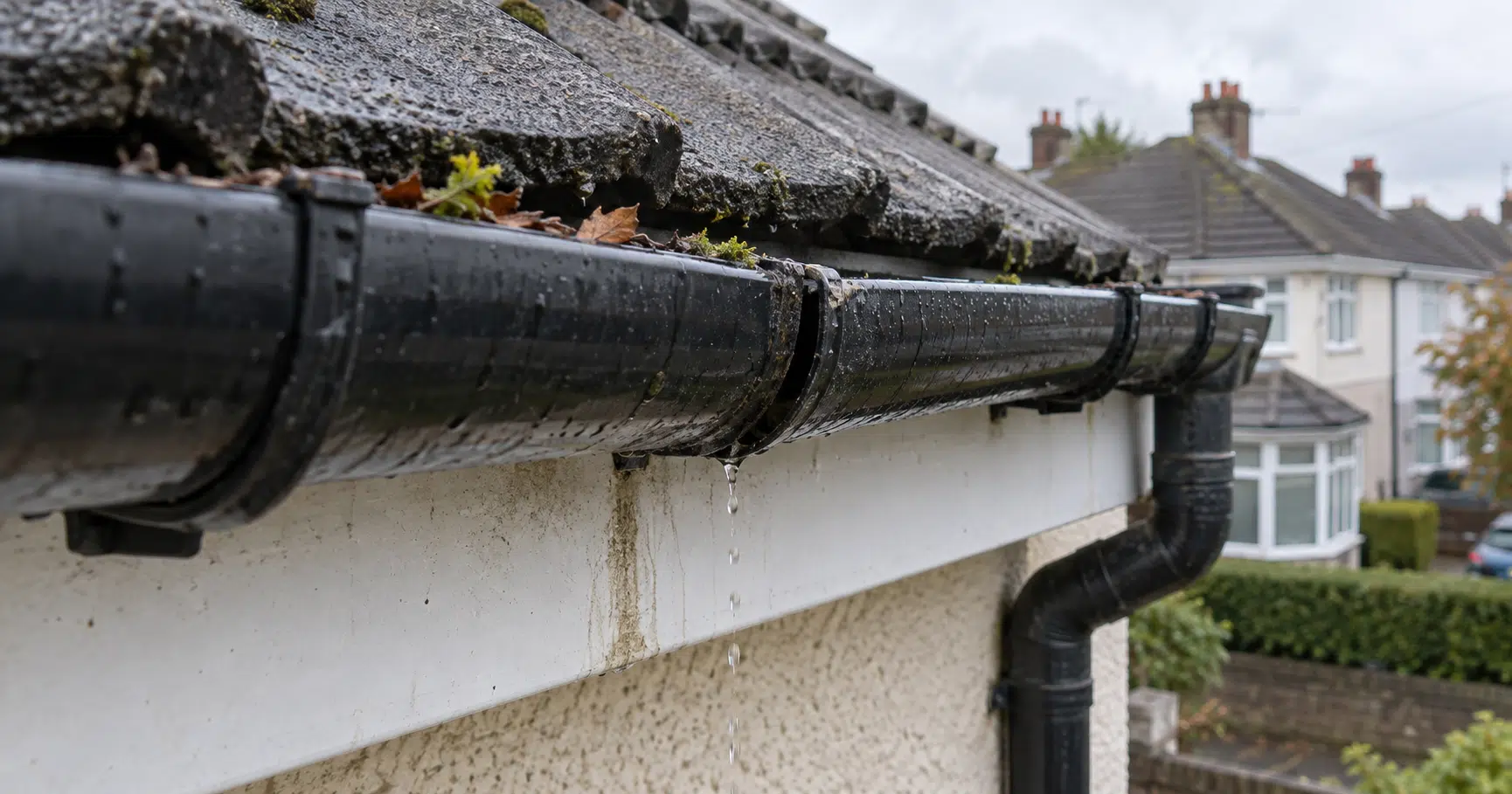
The fascia, soffit and gutter work together to keep weather out of your roof structure.
The good news is that looking after them is genuinely straightforward once you know what to watch for. This guide walks through what fascia and soffit actually do, the problems Dublin homes run into most often, and a simple routine to keep them sound for years. A little attention here protects the far more expensive structure behind them.
Key Takeaways
- Fascia and soffit protect your roof timbers from rain and wind, and the fascia is what your gutters are physically fixed to.
- Soffit vents ventilate your attic, which is what prevents condensation, damp and rot building up in the roof space.
- Overflowing gutters are the number one enemy, so keeping gutters clear is the single best thing you can do for your fascia.
- uPVC is low-maintenance but not maintenance-free, and timber boards need repainting before they start to fail.
- Catching rot or blocked vents early saves you from far costlier roof and structural repairs down the line.
What Are Fascia and Soffit, and Why Do They Matter?
People mix these two up constantly, so let's settle it clearly. They sit right next to each other at the eaves, but they do different jobs.
The Fascia
The fascia is the upright board that runs horizontally along the lower edge of the roof, capping off the ends of the rafters. It's the board your guttering is screwed to, which means it carries the weight of the gutter plus whatever water and debris is sitting in it. It also forms a barrier that stops weather getting at the exposed ends of your roof timbers.
The Soffit
The soffit is the board tucked underneath the fascia, the flat surface you see when you stand below and look up at the overhang. Its main job is to close off the gap beneath the roof edge, but it does something else just as important: most soffits are ventilated, with slots or a perforated section that lets air flow up into the roof space. That airflow is what keeps your attic dry.
Why They're More Important Than They Look
Put together, the fascia and soffit do four jobs at once. They support and align your gutters so rainwater is carried away cleanly. They seal the roof edge against wind-driven rain reaching your rafters. They ventilate the attic through the soffit, keeping condensation and rot at bay. And they keep pests out, birds, wasps and rodents love an open gap under the eaves. On top of all that, crisp, clean boards make a noticeable difference to how the whole house looks from the street.
How Dublin's Climate Tests Your Fascia and Soffit
Our weather is hard on roof edges. Dublin gets rain on a large share of days through the year, and you can see the long-run pattern in Met Éireann's climate data. Constant moisture is exactly what timber boards dislike, and wind-driven rain finds any unsealed joint or hairline crack. Then there's the indirect damage: when gutters overflow in heavy rain, water sheets down the back of the fascia rather than running away, and that is where most timber rot quietly begins. In a Dublin winter, a blocked gutter and a timber fascia are a bad combination.
Common Fascia and Soffit Problems
Rot in Timber Boards
Traditional timber fascia and soffit look lovely when freshly painted, but once that paint film breaks, water gets in and rot sets in. Soft, spongy or crumbling timber is a clear sign, and rot rarely stays in one spot, it travels along the board and can reach the rafter ends behind.
Peeling Paint and Discolouration
On timber, flaking paint is an early warning that the protective layer is failing. On uPVC, you'll instead see green algae streaks and a dull, grimy film, mostly a cosmetic issue, but a sign the boards are due a clean.
Blocked Soffit Vents and Attic Condensation
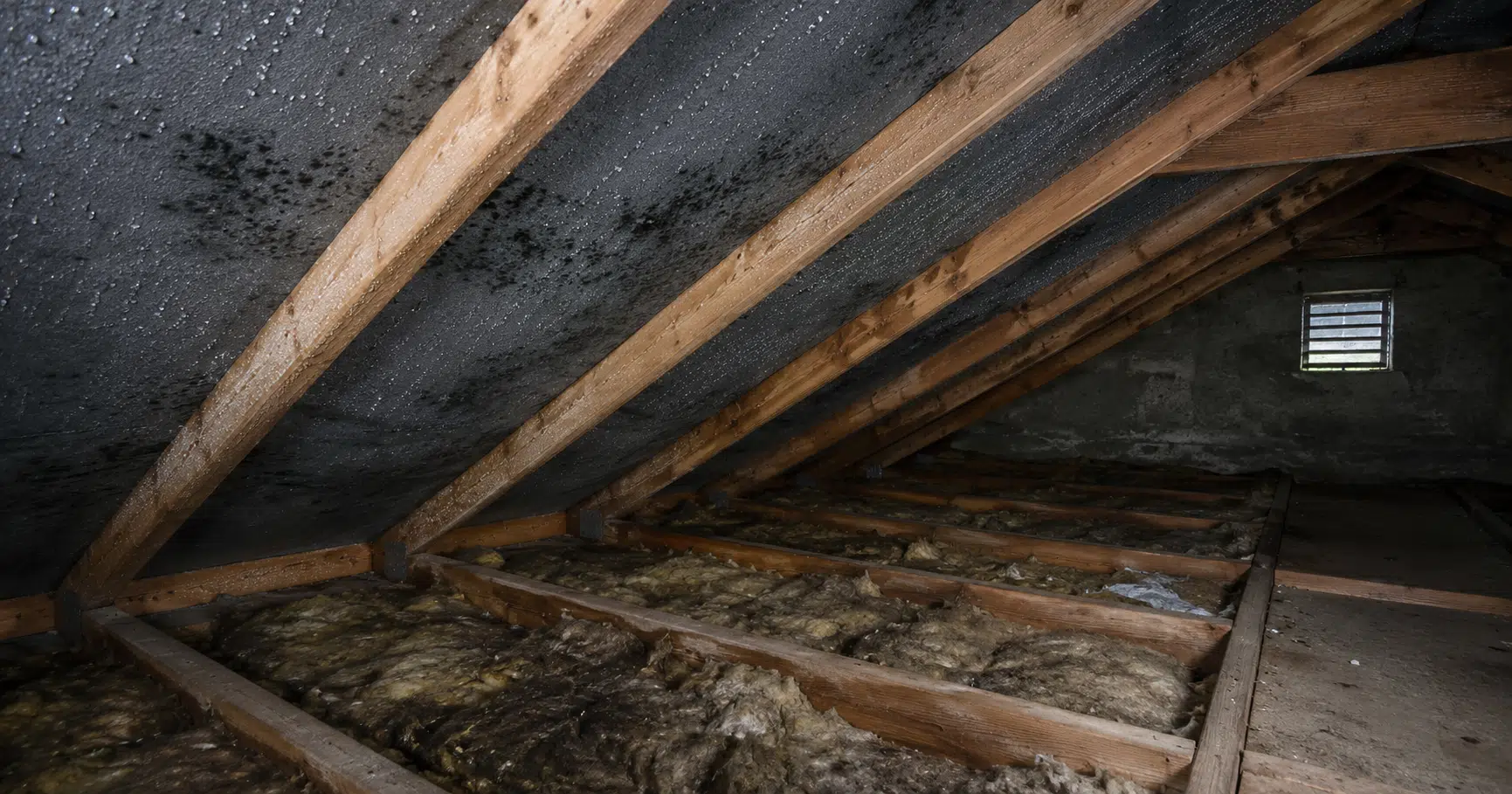
This is the problem homeowners least expect. If soffit vents get painted over, clogged with dirt or blocked by insulation stuffed into the eaves, the attic stops breathing. Warm, moist air then condenses on cold roof timbers, leading to damp and, eventually, rot, from the inside. Good ventilation is a key part of a healthy roof, and it's worth understanding how home ventilation works alongside your insulation. A damp attic is sometimes a soffit problem in disguise.
Pests Getting In
Gaps where the soffit has rotted or pulled away are an open invitation. Birds nesting in the eaves and wasps building under the soffit are common Dublin callouts, and once they're in, they tend to come back.
Sagging Gutters
Because the gutter hangs off the fascia, a failing fascia and a sagging gutter usually go hand in hand. If your gutters are pulling away or no longer draining properly, the fascia behind them is worth checking too. Our gutter repair and replacement service often involves sorting the fascia at the same time, because there's little point hanging a new gutter on a rotten board.
A Simple Fascia and Soffit Care Routine
You don't need to do much to keep these boards in good shape, you just need to do it consistently. Here's the routine we'd recommend for a typical Dublin home.
Keep the Gutters Clear
This is the big one. Clearing leaves and moss from your gutters a couple of times a year, especially after autumn, stops the overflow that rots fascia from behind. If you do one thing on this list, make it this.
Clean uPVC Twice a Year
A bucket of warm soapy water and a soft brush on a pole will lift algae and grime off uPVC boards and keep them looking new. Avoid harsh abrasives, which can dull the finish.
Repaint Timber Before It Fails
If you have timber boards, repainting every few years, before the existing coat cracks, is what keeps water out. Painting timber that's already gone soft is a waste of time; the rot is already underway.
Check the Soffit Vents
Have a look that the soffit vents are clear and not painted over or blocked by insulation inside the attic. If your attic feels stuffy or you've spotted condensation on the roof timbers, the vents are the first thing to check.
A word on safety: most of this means looking up from the ground, which is the safe way to do it. If you're tempted to use a ladder, take it seriously, falls from height are no joke. The Health and Safety Authority's guidance on working at height is worth a read, and honestly, anything beyond a quick ground-level look is a job better left to someone with the right equipment.
Repair or Replace? When to Call a Professional
Some issues are a simple clean or a fresh coat of paint. Others mean the boards have reached the end of the road. It's time to bring in a professional when you see:
- Soft, crumbling or visibly rotten timber that doesn't improve with drying out.
- Paint that won't hold no matter how often it's redone, usually a sign the timber beneath is failing.
- Gutters sagging or pulling away because the fascia can no longer hold the fixings.
- Pests repeatedly getting into the eaves through gaps in the soffit.
- Damp or condensation in the attic that points to blocked or inadequate ventilation.
If you're not sure how far the damage has gone, a professional roof inspection will tell you whether you're looking at a repair or a full replacement, and crucially whether the rot has reached the roof timbers behind.
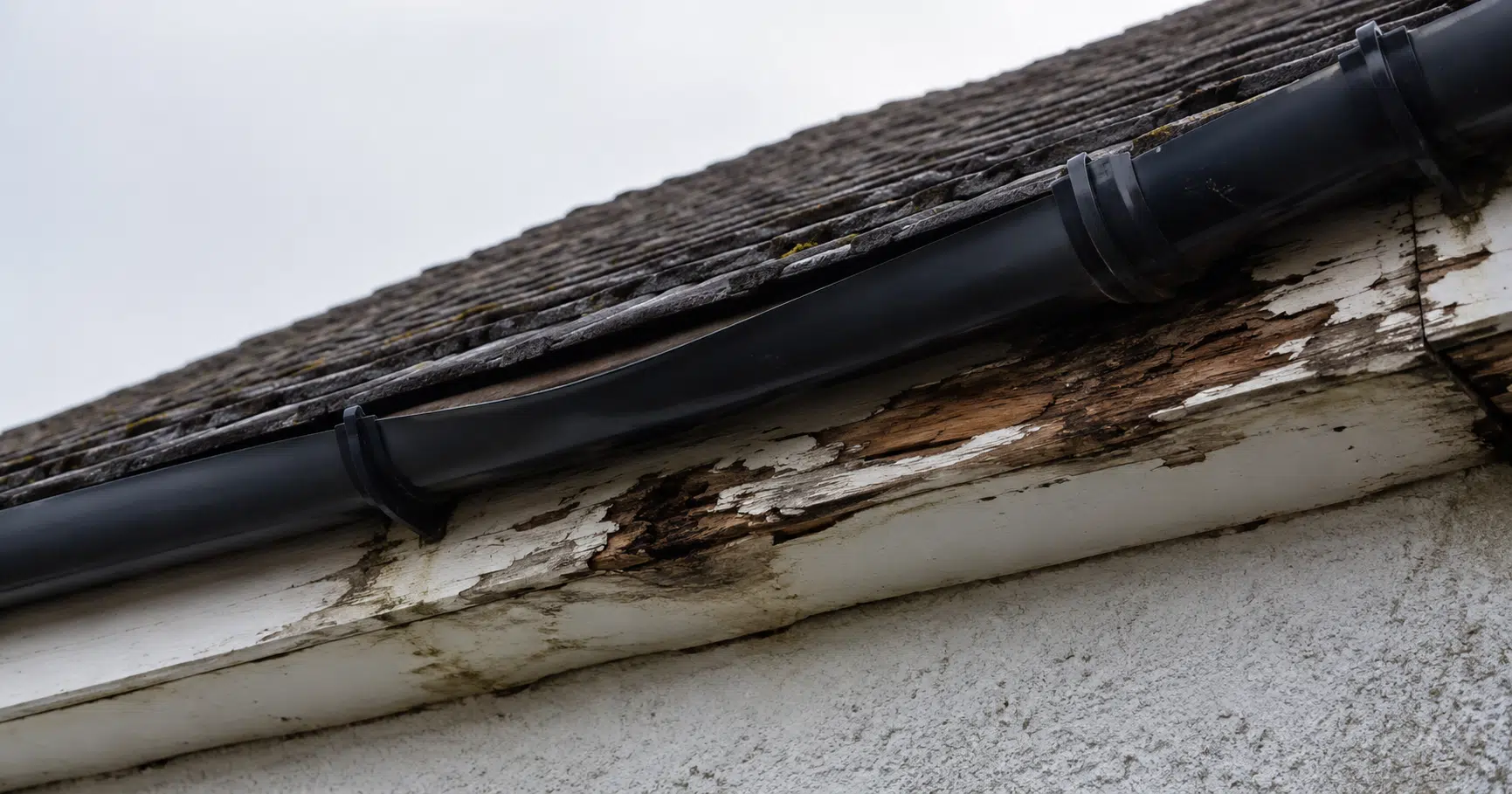
Peeling paint and soft timber are signs the boards have likely reached the end of their life.
uPVC vs Timber: Which Is Right for a Dublin Home?
If you're replacing your boards, the big decision is material. Timber looks traditional and suits period and character homes, but it needs regular repainting and is more prone to rot in our damp climate. uPVC is now the most common choice for Dublin homes for good reason: it doesn't rot, never needs painting, shrugs off the weather and only asks for the occasional wash. It costs a little more upfront than timber but typically saves money and hassle over its lifetime. For most homeowners here, low-maintenance uPVC is the practical winner, though a good roofer will help you weigh it against the look you want.
Fascia or soffits looking tired, or gutters starting to sag?
We'll take a proper look, tell you honestly whether it's a repair or a replacement, and give you a clear price with no obligation.
Get a Free QuoteFrequently Asked Questions
What's the difference between fascia and soffit?
The fascia is the upright board along the edge of the roof that your gutter is fixed to. The soffit is the flat board tucked underneath it, the bit you see when you look up at the roof overhang. The fascia faces outward and holds the gutter; the soffit faces down and usually contains the vents that let your attic breathe.
How long do uPVC fascia and soffit last?
Quality uPVC boards typically last several decades with very little upkeep, an occasional wash is usually all they need. They don't rot or need painting, which is why they've become the standard choice for Dublin homes. Timber boards can also last a long time, but only if they're repainted regularly before the protective coat fails.
Can I just paint over a rotten timber fascia?
No, and it's a common mistake. Paint won't bond to soft, rotten timber, and even if it looks fine for a few weeks, the rot continues underneath and the paint soon flakes off. Once timber has actually started to rot, the board needs replacing rather than repainting, otherwise you're just hiding a problem that keeps spreading.
Could my damp attic be caused by the soffits?
It's very possible. Soffit vents are a main source of airflow into the roof space, and if they're blocked, painted over or covered by insulation, the attic can't breathe. That trapped, moist air then condenses on cold roof timbers and causes damp. If you've ruled out a leak, blocked soffit ventilation is one of the first things worth checking.
How much does fascia and soffit replacement cost in Dublin?
It depends on the size of the property, the material you choose and whether the gutters or roof timbers also need attention. Because every home is different, the only reliable way to know is to have the boards assessed in person. We're happy to take a look and give you a clear, no-obligation quote.