How Often Should You Replace Roof Gutters in Dublin?
The rain starts, and so does the familiar drip outside the bedroom window. At first it is just irritating. Then you notice a dark streak down the render, a puddle beside the back door, or a gutter that seems to sag a little more every winter. Is it time for new guttering, or would a straightforward repair do the job?
There is no fixed replacement interval for roof gutters in Dublin. Good-quality uPVC can last around 20 to 40 years, while metal systems have their own expected service lives. But age alone does not decide it. Widespread cracks, recurring leaks and badly deteriorated sections matter more than the date the gutters were fitted. The material-specific estimates below explain what those numbers actually mean.

A leaking joint needs attention, but it does not automatically mean the whole gutter system needs replacing.
This guide covers the warning signs, gutter lifespan in Ireland, the effect of Dublin weather and the benefits of a properly fitted replacement. If you already have leaks or overflowing sections, our gutter repairs and replacement service in Dublin can help establish what needs attention.
Key Takeaways
- Replace according to condition. There is no need to remove sound gutters simply because they are old.
- One leaking joint can often be repaired. Cracks or failures across several sections make replacement more worth considering.
- Overflowing does not always mean worn out. Blockages, poor alignment or insufficient capacity can cause the same symptom.
- Exposure matters. A sheltered suburban house and a property facing the sea can place different demands on guttering.
- Check the whole drainage route. New gutters cannot solve a blocked downpipe or a backed-up drain.
Signs Your Gutters May Need Replacing
You do not have to wait for a section to fall off before investigating. Watch what happens during rainfall from a safe position at ground level. Where the water escapes often provides a useful starting point.
Leaks That Keep Returning
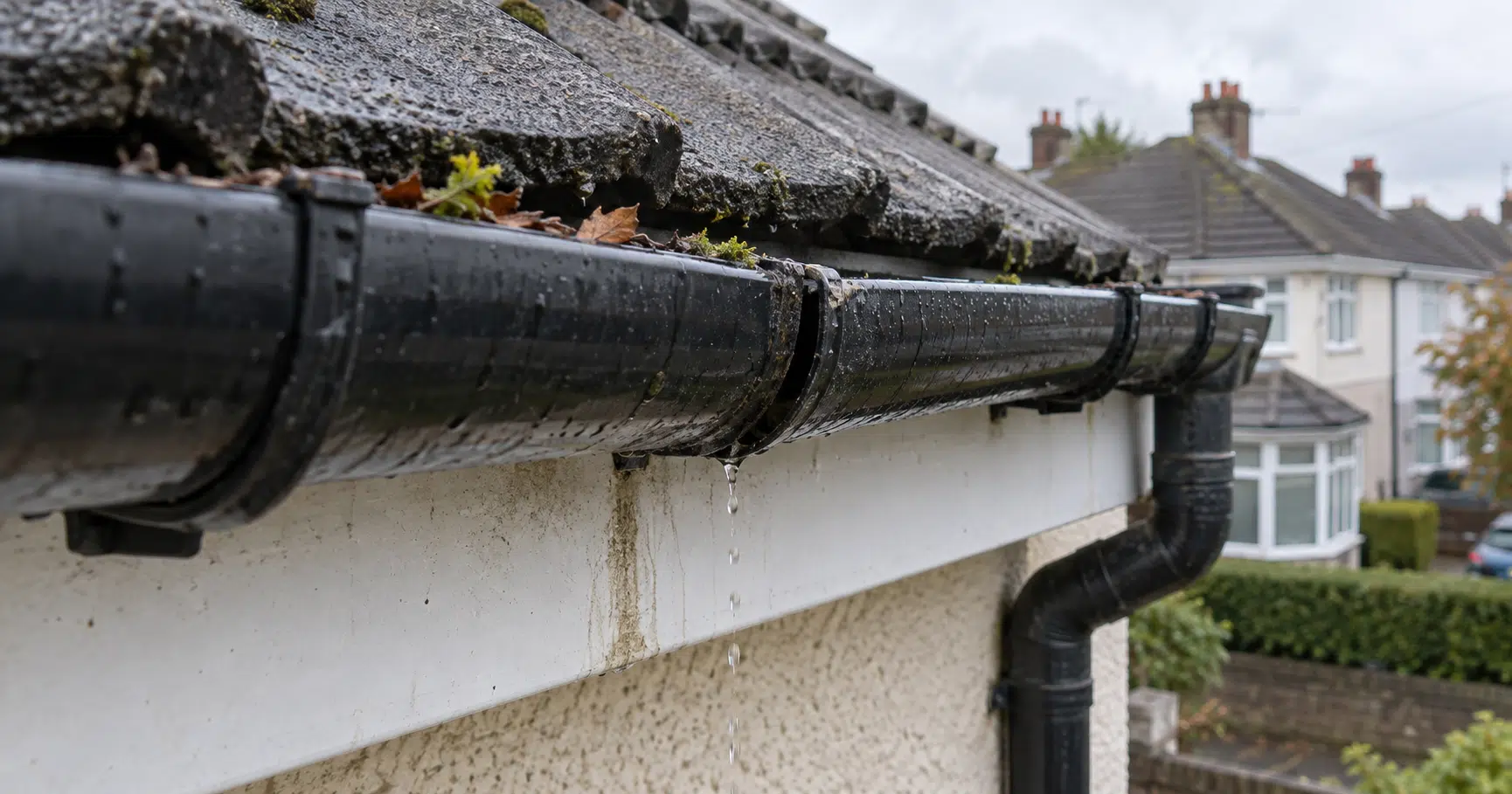
A drip at one connection may come from a worn seal or a joint that has moved. That is quite different from several cracked lengths or badly corroded metal sections. If repairs keep moving from one weak spot to the next, ask for a comparison between further local repairs and replacing the affected run.
Sagging, Twisting or Pulling Away
A noticeable dip can leave water sitting between outlets. Loose brackets, accumulated debris or an unsound fixing surface may be responsible, so the gutter itself is not always the problem. Where the channel has permanently distorted, refitting the brackets alone may not restore proper drainage.
Cracks, Holes and Deteriorating Metal
Look for visible splits, broken edges or holes. On painted metal guttering, flaking paint warrants a closer inspection, but it does not by itself prove the metal is beyond repair. The important distinction is between a surface coating that needs maintenance and a section that has lost its strength or watertightness.
Overflow After the Gutters Have Been Cleared
If water still spills over after cleaning, check the outlets and downpipes before ordering new gutters. The installer should also assess the gutter position and capacity. An extension or changed roof layout may now feed more water into a run that was designed for a smaller roof area.
Water Stains Beneath the Roofline
Repeated wet streaks, peeling finishes or localised staining beneath a joint can point to escaping rainwater. They are clues, not a diagnosis: roof-edge defects and other sources of damp can look similar. Check the cause before paying to repaint the wall.
What Is the Average Gutter Lifespan in Ireland?
There is no single reliable average covering every Irish home. Manufacturer estimates are a useful starting point, provided you account for the particular product, installation and surroundings.
| Material | Published lifespan guidance | What to bear in mind |
|---|---|---|
| uPVC | Around 20 to 40 years for good-quality systems. | Fittings and seals may need attention before the gutter lengths do. |
| Cast aluminium | Alumasc's Heritage range quotes 40 years in rural or suburban settings and up to 25 years in industrial or marine settings. | These figures apply to that range. Check the specification for the proposed system. |
| Cast iron | Well-installed, regularly maintained systems can exceed 100 years. | That longevity depends on upkeep, including protective finishes and sound joints. |
These figures draw on Kalsi's uPVC lifespan guidance, Alumasc's cast aluminium specifications and Tuscan Foundry's cast iron guidance. They are not guarantees of how long an existing installation will last.
A product warranty and its expected lifespan are different things. Reaching the end of a warranty does not automatically make a gutter unserviceable. Equally, a relatively new system can perform badly if it was fitted incorrectly.
How Dublin Weather Affects Your Gutters
Heavy Rain Exposes Drainage Problems
A gutter can seem fine in drizzle and overflow during a downpour. That can reveal a partial blockage, an unsuitable outlet arrangement or inadequate capacity. Met Éireann's overview of Ireland's climate describes the autumn rain and winter Atlantic systems that bring wet, windy conditions. For homeowners, the practical lesson is to have drainage checked before a small problem is tested by heavier weather.
Wind and Autumn Debris
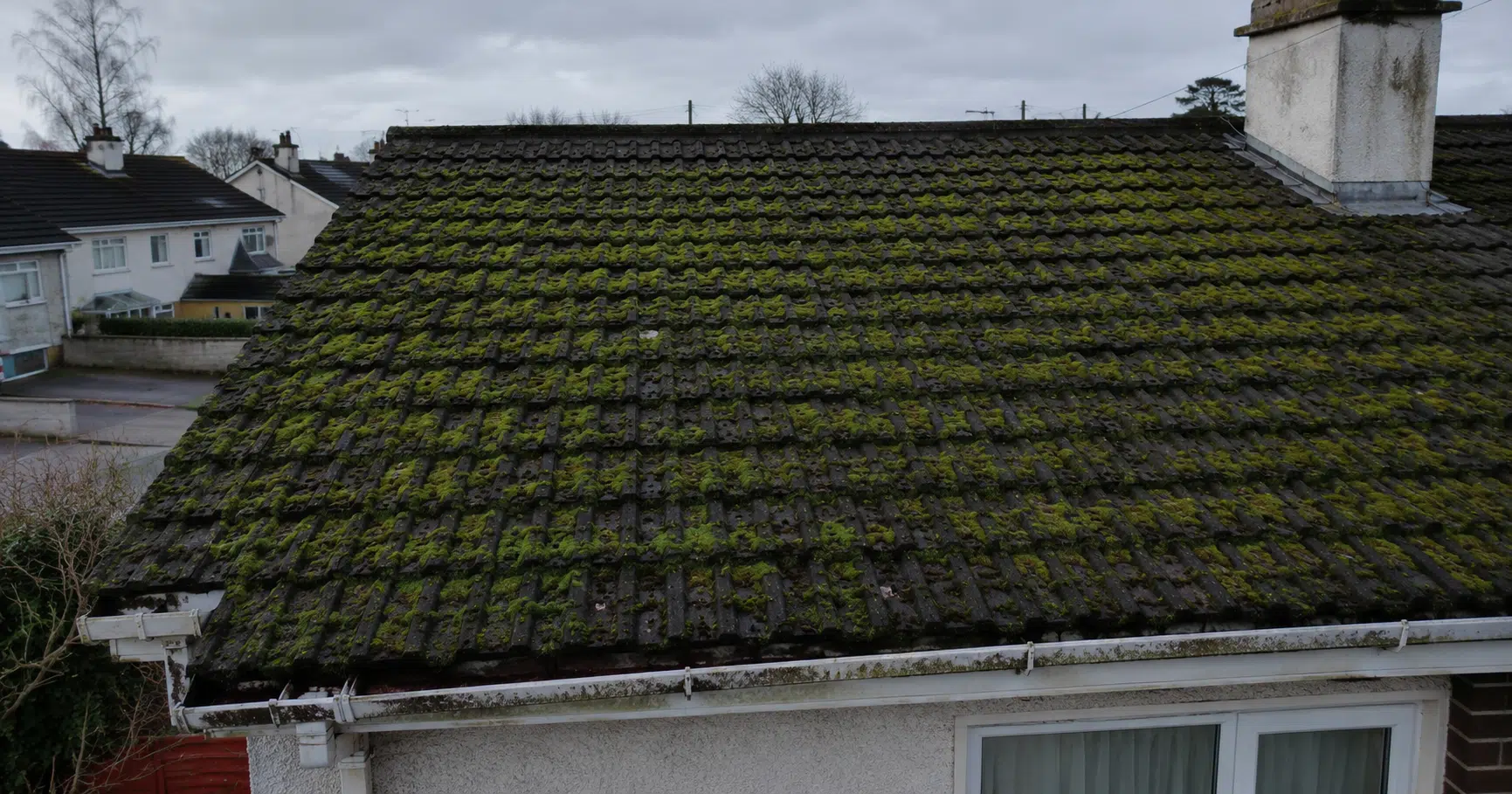
Leaves, twigs and roof moss can collect at an outlet and restrict the entire run. Houses beside mature trees may need more frequent clearing than exposed properties with little vegetation nearby. If the gutter starts overflowing each autumn but works normally after cleaning, that pattern points towards maintenance before replacement.
Coastal Exposure
For a home near the sea in Howth, Clontarf or Dún Laoghaire, ask whether the proposed metal system, coating and fixings suit the exposure. Alumasc's different service-life estimates for suburban and marine settings show why the location belongs in the conversation. A material name alone does not tell you how a particular product will perform.
Temperature Changes
Plastic guttering expands and contracts as temperatures change. Its joints need to accommodate that movement in accordance with the manufacturer's instructions. A connection that repeatedly pulls apart deserves an installation check; simply adding another layer of sealant may leave the cause untouched.
Should You Repair or Replace Your Gutters?
Repair is often sensible when the fault is localised and the surrounding system is sound. Examples include a damaged connector, an isolated section or a loose bracket with a secure fixing point available. Cleaning may be all that is needed where debris is preventing water from reaching the downpipe.
Replacement becomes more sensible when deterioration is widespread. Multiple brittle or split sections, extensive corrosion, persistent distortion or a system that cannot provide the required capacity can justify a new run. Ask what a repair would resolve, what would remain and whether compatible replacement fittings are available.
A Practical Example: The Same Overflow, Two Different Fixes
Imagine two Dublin houses with water spilling over the back gutter. At the first, leaves have blocked the outlet and the channel is otherwise sound. Clearing the obstruction restores the flow. At the second, the outlet is clear, but several gutter lengths are cracked and distorted. Cleaning cannot restore their shape or seal those splits. These are illustrative examples, but they explain why the diagnosis should come before the replacement quote.
The Benefits of a New Guttering System
When replacement is justified, it is an opportunity to put the whole arrangement right. A new channel fitted to the same poor layout can leave you with familiar problems.
- Better rainwater collection: a suitable profile, correctly positioned outlets and adequate downpipes help the system handle the roof area it serves.
- Less water running down the walls: sound joints and correctly positioned gutters help protect external finishes and the roof edge from repeated wetting.
- Fewer recurring repairs: replacing a deteriorated run can remove several existing weak points together.
- A tidier roofline: consistent profiles and colours give the house a more finished appearance.
- A chance to inspect hidden supports: removing old guttering allows the installer to check the fascia and fixing points before the replacement goes up.

A replacement should address the gutter layout, supporting brackets and downpipes as one system.
If the backing boards are soft or damaged, discuss fascia and soffit repairs as part of the assessment. Fresh guttering needs secure support. Existing sound boards do not need replacing simply because the gutters are being changed.
How to Help Your Gutters Last Longer
Make a spring and post-leaf-fall check part of your home maintenance routine, with additional checks after storms or where trees regularly shed debris. Arrange clearing when needed rather than waiting for an overflow.
Watch for new drips, loose sections and water gathering around the downpipe discharge. Take photos from the ground to show the installer where the problem occurs. Leave work requiring access at height to someone with the appropriate equipment and experience.
Good roof drainage in Dublin depends on the entire route staying clear, from the roof edge to the drainage connection. Even a high-quality replacement will still need occasional attention.
Not Sure Whether Your Gutters Need Repairing or Replacing?
Roofing-Dublin can assess the condition of your guttering, explain the options and provide a free, no-obligation quote. Get a clear recommendation before committing to a replacement.
Get a Free Guttering QuoteFrequently Asked Questions
Should I replace gutters that are 20 years old?
Not automatically. Arrange an inspection if their condition is uncertain or they are leaking. Sound guttering that drains correctly may still have useful life left. Widespread deterioration is a stronger reason to replace it than its age alone.
Can you replace just one section of guttering?
Often, yes, provided compatible sections and fittings are available and the adjacent guttering is sound. The repair should preserve the correct alignment and flow to the outlet. Extensive damage across the run may make a larger replacement more practical.
Do overflowing gutters always need replacing?
No. Debris, a blocked downpipe or poor alignment can make otherwise usable gutters overflow. If clearing and adjustment do not solve it, have the capacity and roof-edge arrangement assessed before deciding on replacement.
Do new gutters need new downpipes as well?
Not necessarily. Existing downpipes may be retained if they are sound, compatible, clear and adequately sized. They should be checked as part of the quote, because replacing the gutters alone will not fix a problem further down the drainage route.
How much does gutter replacement in Dublin cost?
The price depends on the length, material, roof height, access, number of corners and downpipes, and any repairs needed to the supporting boards. Ask for an itemised quote showing the work included, removal of old materials, access costs and whether VAT is included. See our gutter repairs and replacement page to arrange an assessment.