Running a business means looking after everything, and that includes the roof over your head. In Dublin, a good commercial roof is super important for keeping your business safe, your employees comfortable, and your energy bills down. We're going to chat about what you need to know about commercial roofing in Dublin, from the different types of roofs out there to how to pick the right person for the job. It’s not just about fixing leaks; it’s about making a smart investment in your property.
Key Takeaways
Choosing the right commercial roofing material for Dublin's climate is vital for durability and cost savings.
Understanding the different types of commercial roofing systems, like TPO, EPDM, PVC, BUR, modified bitumen, and metal, helps in making an informed decision.
Regular maintenance and prompt repairs are essential to prevent common issues like leaks and ponding water on commercial roofs in Dublin.
Selecting a reputable commercial roofer in Dublin with local experience is as important as the roofing material itself.
Considering the long-term financial implications, including energy efficiency and maintenance costs, will lead to a better investment for your business.
Why Commercial Roofing Matters in Dublin
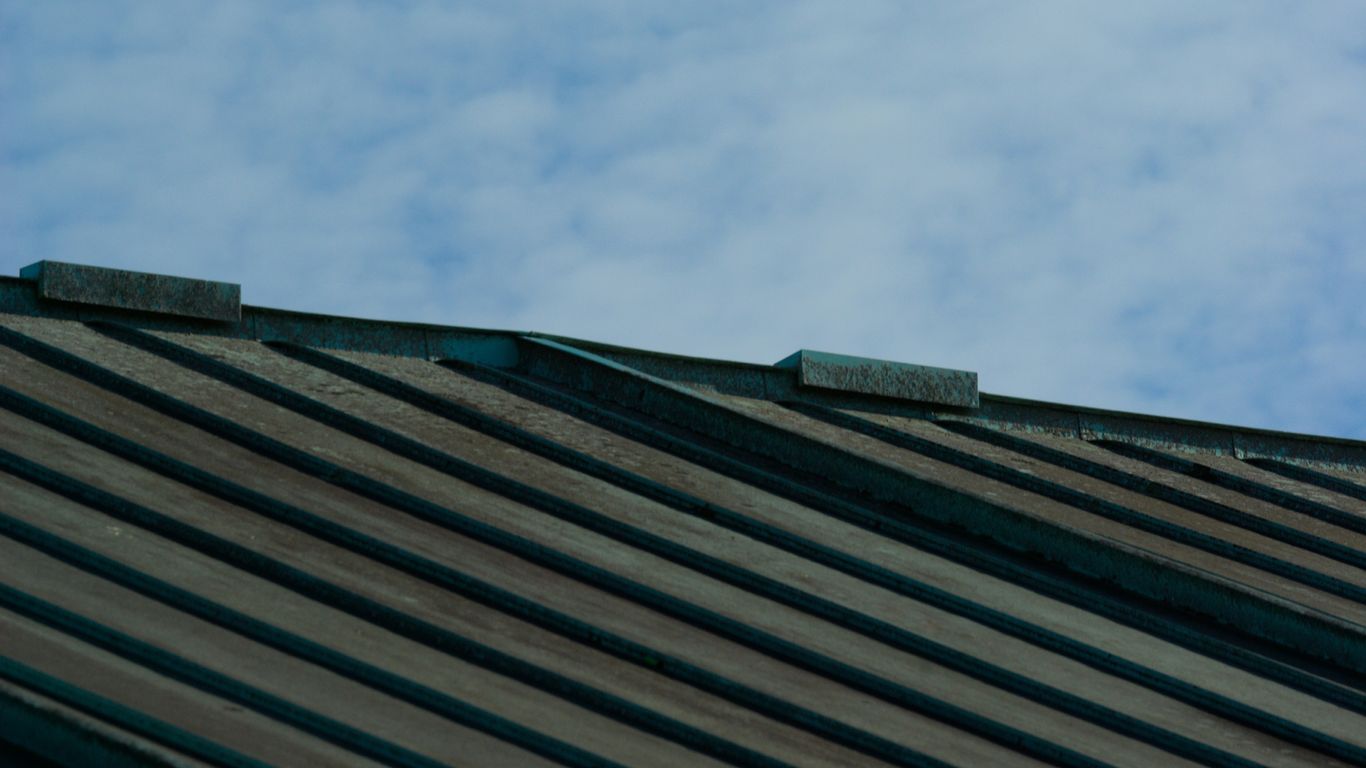
Running a business here in Dublin means you've got a lot on your plate, and one of the big things you can't overlook is your building's roof. It's not just a lid to keep the rain out; it's a pretty important part of your whole operation. A solid, well-maintained roof protects everything inside – your stock, your equipment, your staff, and your customers. Think about it, if your roof starts leaking, that's a direct hit to your business, potentially causing damage, disruption, and lost revenue. Plus, the type of roof you have can really affect your energy bills. A good roof helps keep the heat in during those colder Dublin months and keeps things cooler in the summer, meaning your heating and cooling systems don't have to work overtime. It's a bit like investing in good insulation for your home, but on a much larger scale.
Beyond just keeping things dry and comfortable, your commercial roof is a significant part of your property's overall value. When it's time to sell or even just get a valuation, a roof in good condition is a major plus point. Conversely, a roof that's seen better days can be a real turn-off and might even lead to a lower asking price. It’s also about safety, really. You don't want bits falling off or the structure being compromised, especially during one of Dublin's more blustery days.
Here are a few key reasons why paying attention to your commercial roof is a smart move:
Asset Protection: Safeguards your building's structure, inventory, and equipment from weather damage.
Operational Continuity: Prevents leaks and structural issues that could force you to close your doors, even temporarily.
Energy Efficiency: A well-insulated and properly sealed roof can significantly reduce heating and cooling costs.
Property Value: A good roof enhances your building's curb appeal and overall market value.
Safety: Ensures a secure environment for employees and visitors.
Choosing the right roofing system isn't just about ticking a box; it's a strategic decision that impacts your business's finances, operational stability, and long-term success. It's worth getting right from the start.
Types of Commercial Roofing Systems
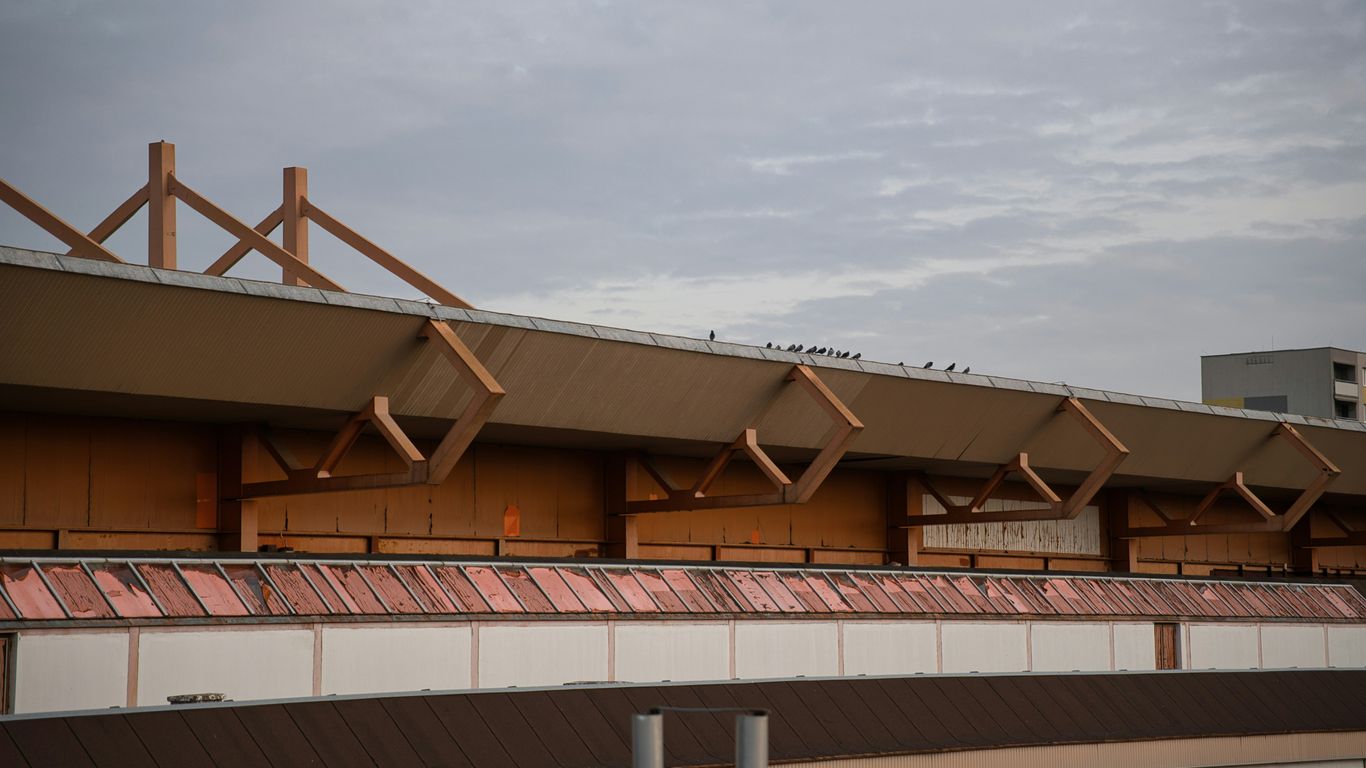
When it comes to commercial buildings, the roof is a pretty big deal. It’s not just about keeping the rain out, though that’s obviously important. The type of roofing system you choose can affect everything from energy bills to how long the roof actually lasts. Dublin’s weather, with its mix of wind, rain, and occasional sunshine, means you need something robust.
There are several main types of commercial roofing systems out there, each with its own pros and cons. Let’s break them down:
Single-Ply Membranes (TPO, EPDM, PVC)
These are basically large sheets of synthetic material that are laid out over the roof deck. They’re really popular for flat or low-sloped roofs, which are common on commercial buildings. Think of them like a big, tough tarp that’s sealed up tight.
TPO (Thermoplastic Polyolefin): This is a newer option that’s become quite popular. It’s known for being energy-efficient because it’s often white and reflects sunlight, which can help keep the building cooler in the summer. It’s also pretty durable and cost-effective.
EPDM (Ethylene Propylene Diene Terpolymer): Often called "rubber roofing," EPDM is a very flexible and durable material. It’s great at withstanding extreme temperatures and UV exposure, making it a solid choice for various climates. It’s usually black, but white options are available.
PVC (Polyvinyl Chloride): This is a strong, flexible plastic material that’s really good at resisting chemicals, fire, and punctures. It’s a bit more expensive than TPO or EPDM, but it offers excellent waterproofing and can be a good choice if your building has specific chemical exposure risks.
Installation usually involves either fully adhering the sheets, mechanically fastening them, or using a heat-welding process to seal the seams. Fewer seams mean fewer places for leaks to start, which is a big plus.
Built-Up Roofing (BUR)
BUR is one of the oldest and most traditional types of commercial roofing, especially for flat roofs. It’s made by layering several materials together, typically asphalt and reinforcing fabrics, with a final protective top layer. It’s sometimes called "tar and gravel" roofing because of that top layer.
BUR systems are known for their durability and excellent waterproofing capabilities. They can handle a lot of foot traffic and are quite resistant to damage. However, they are heavy and the installation process can be a bit messy, often involving hot asphalt.
Modified Bitumen Roofing
This is a bit of a modern take on BUR. Modified bitumen roofing is essentially asphalt with modifiers added to give it more flexibility and strength. It’s still a multi-ply system, but it’s designed to be more adaptable to building movements and temperature changes.
It comes in rolls and can be installed in a few ways: fully adhered, mechanically attached, or torch-applied. The torch-applied method uses heat to melt the bitumen and bond the layers, which creates a very strong seam. It’s a robust option that offers good protection against water and UV rays.
Metal Roofing
Metal roofing has really come a long way. It’s not just for old barns anymore! For commercial buildings, metal roofs are incredibly durable and can last for 50 years or more with minimal fuss. They’re resistant to fire, wind, and even hail.
Metal roofs are also surprisingly energy-efficient, especially lighter colours that reflect solar heat. They come in various styles, like standing seam panels, which have raised seams that offer excellent water protection. While the initial cost can be higher than some other options, the longevity and low maintenance often make it a cost-effective choice over the building’s lifespan. Plus, many metal roofing materials are recyclable, which is a nice bonus for sustainability.
Choosing the Right Commercial Roofing Material for Dublin's Climate
Picking the right roof for your business in Dublin isn't just about what looks good; it's got to stand up to our local weather. We get a bit of everything here, from those surprisingly warm summer days to plenty of wind and rain. So, what you put on top really matters for keeping things running smoothly and your energy bills in check.
The biggest thing to think about is balancing initial cost with how long the roof will last and how much it'll save you on energy. A cheaper option now might end up costing you more down the line with repairs or higher cooling bills. It’s a bit like buying shoes – the cheap ones might look okay, but they fall apart fast and your feet hurt. A good quality roof is an investment.
Here are a few things to keep in mind:
Durability: How well does it handle wind, rain, and maybe even the odd bit of hail? Materials like metal or certain types of rubber membranes (like EPDM) are known for being pretty tough.
Energy Efficiency: Dublin can get warm, and a roof that reflects sunlight can make a big difference to your air conditioning costs. Think about 'cool roofing' options, which are designed to bounce sunlight away.
Maintenance: Some materials need more looking after than others. Consider how much time and money you're willing to spend on upkeep over the years.
Environmental Impact: More businesses are looking at sustainable options. Reflective or 'cool' roofs can help reduce the 'urban heat island' effect, which is good for the environment and can save you money.
When you're looking at different materials, it's worth asking your roofer about their performance in Dublin's specific conditions. They'll know which ones tend to hold up best against our typical weather patterns and which ones might give you more trouble.
For example, metal roofs are often a good shout because they last ages and don't need much fuss. They can also be quite reflective, helping to keep the building cooler. Then you've got single-ply membranes like TPO or EPDM, which are flexible and good at handling temperature changes. Built-up roofing (BUR) and modified bitumen are older, tried-and-tested methods, often used on flat or low-slope roofs, but they might not offer the same energy savings as newer options.
Common Commercial Roofing Problems and Solutions
Leaks and Ponding Water
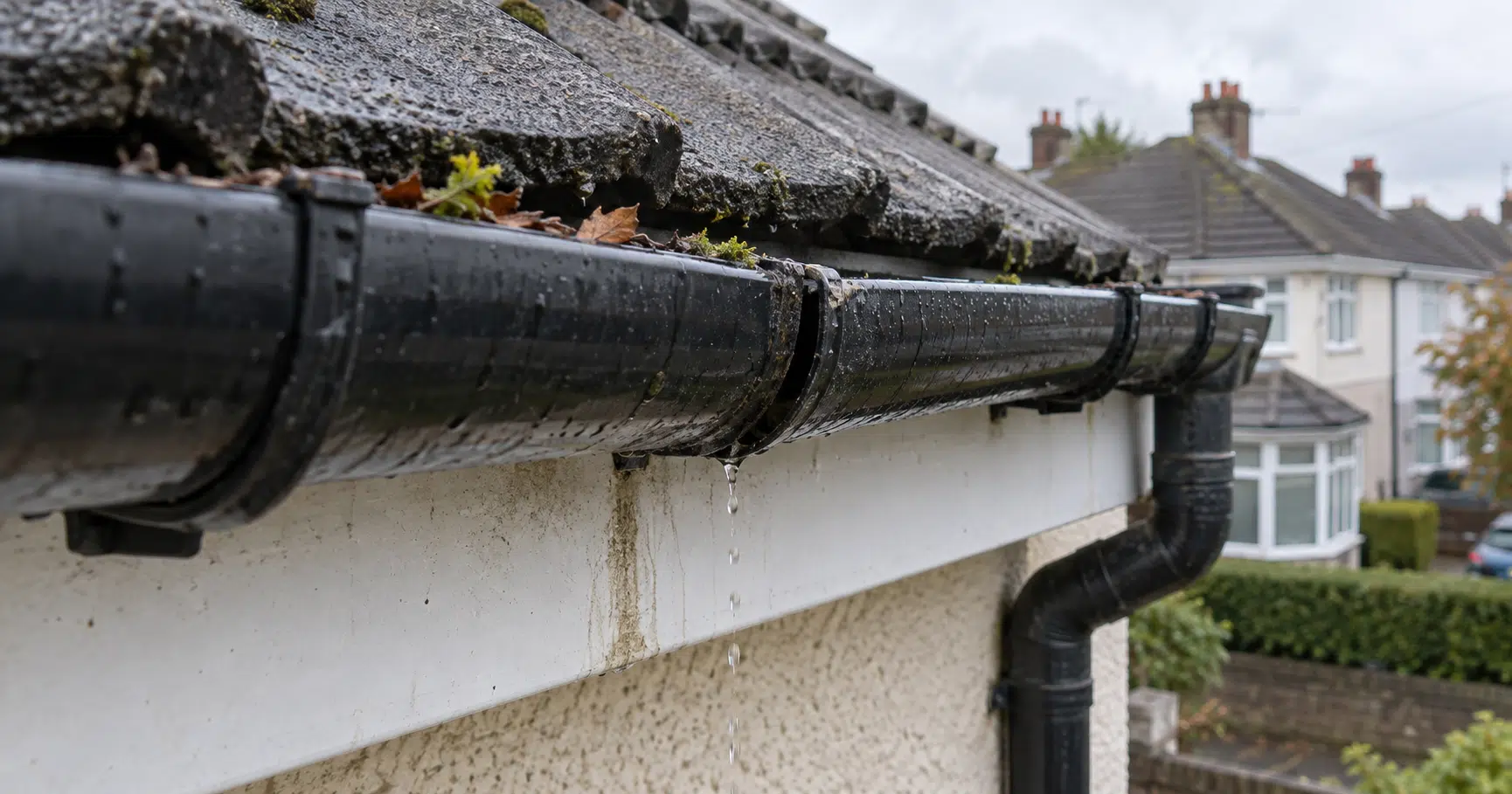
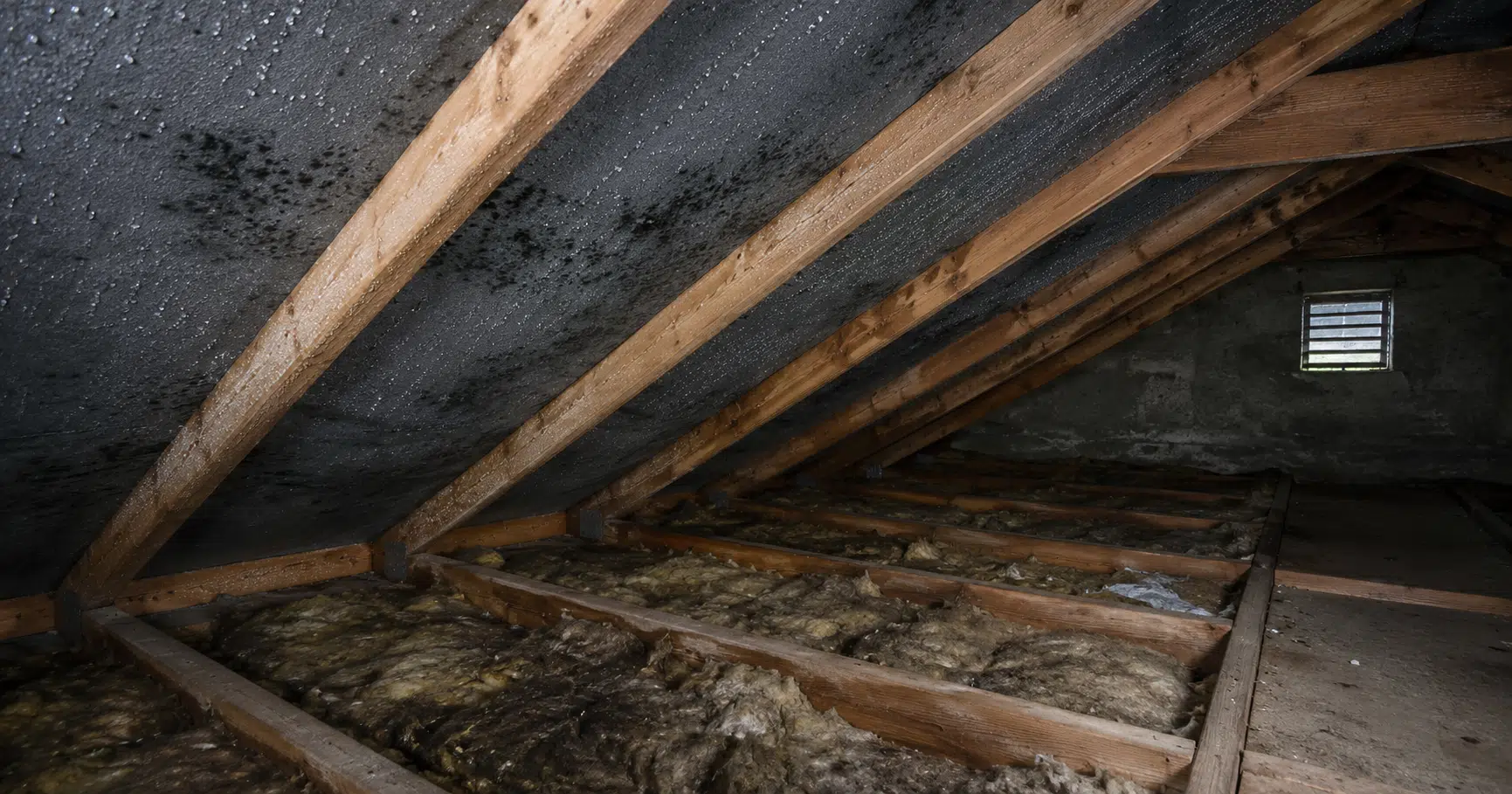
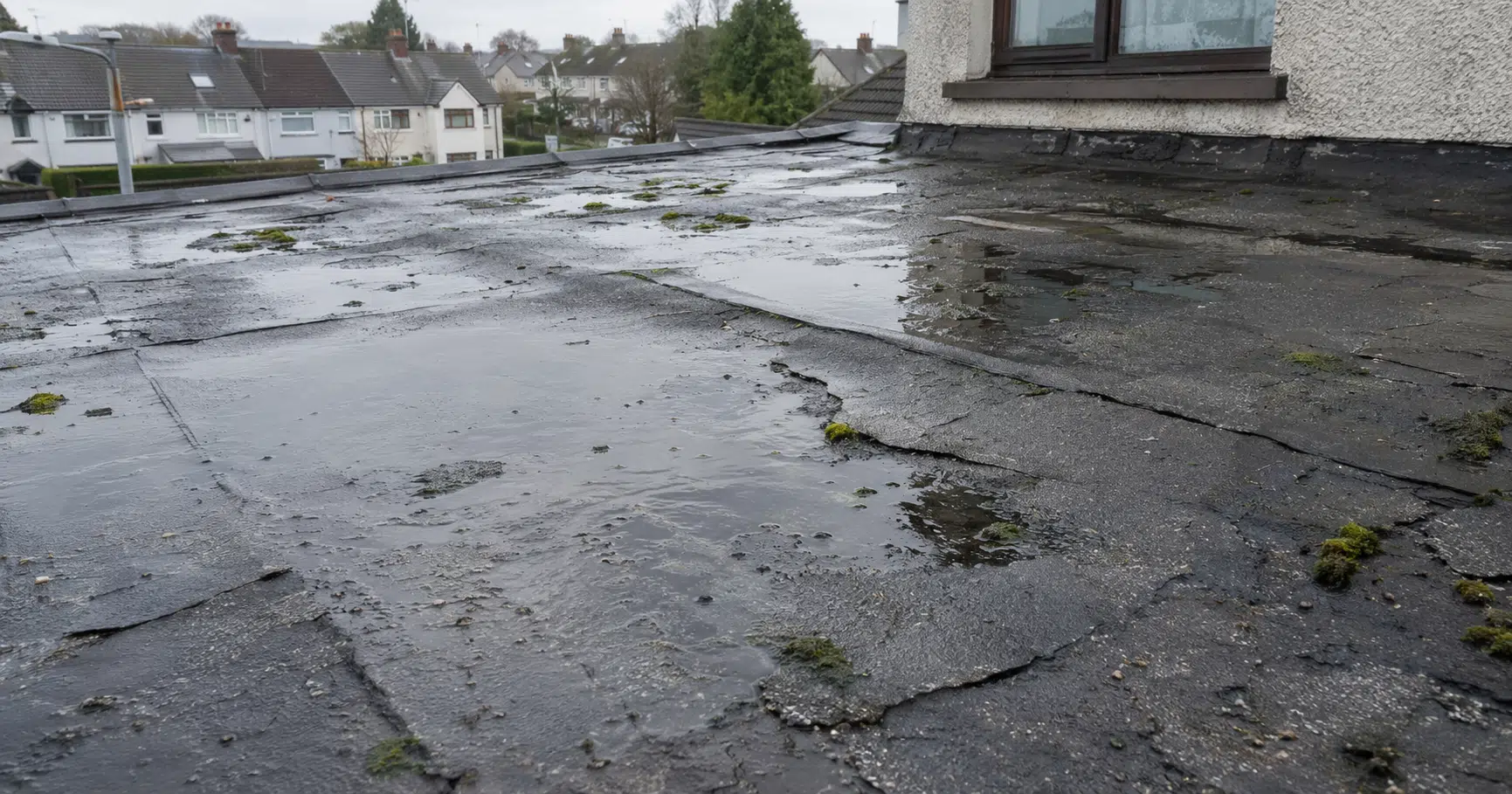
Leaks are probably the most obvious sign that something's not right with your roof. You might see water stains on the ceiling or walls, or worse, actual drips. Don't ignore these signs, even if they seem small. They can quickly lead to bigger problems like mould growth and structural damage. Ponding water, where water sits on the roof surface after rain, is another big red flag. It puts extra weight on the roof and can eventually find its way through weak spots. We can help identify the source of leaks and implement solutions to prevent water from pooling, like improving drainage systems. It’s all about keeping your building dry and safe.
Membrane Damage and Punctures
Commercial roofs, especially those with single-ply membranes like TPO or EPDM, can be susceptible to damage. Things like falling debris, foot traffic from maintenance workers, or even sharp tools can cause punctures or tears. These aren't always huge gashes; sometimes, it's just a small nick that can let water in. Regular inspections are key here. We look for any signs of wear and tear, cracks, or punctures. If we find any, we can patch them up properly to restore the membrane's integrity. It’s better to fix a small issue before it becomes a major headache.
HVAC Penetration Issues
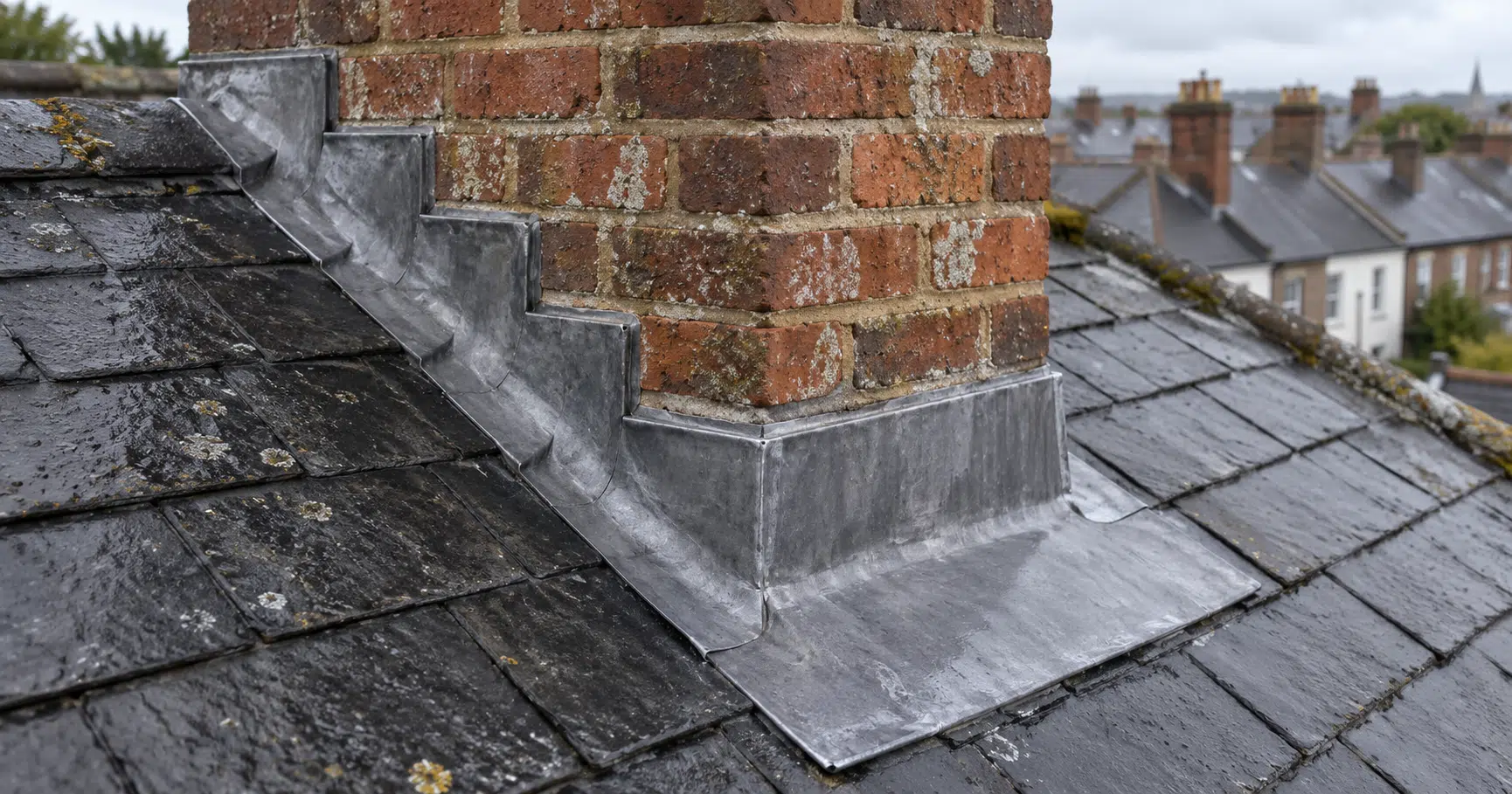
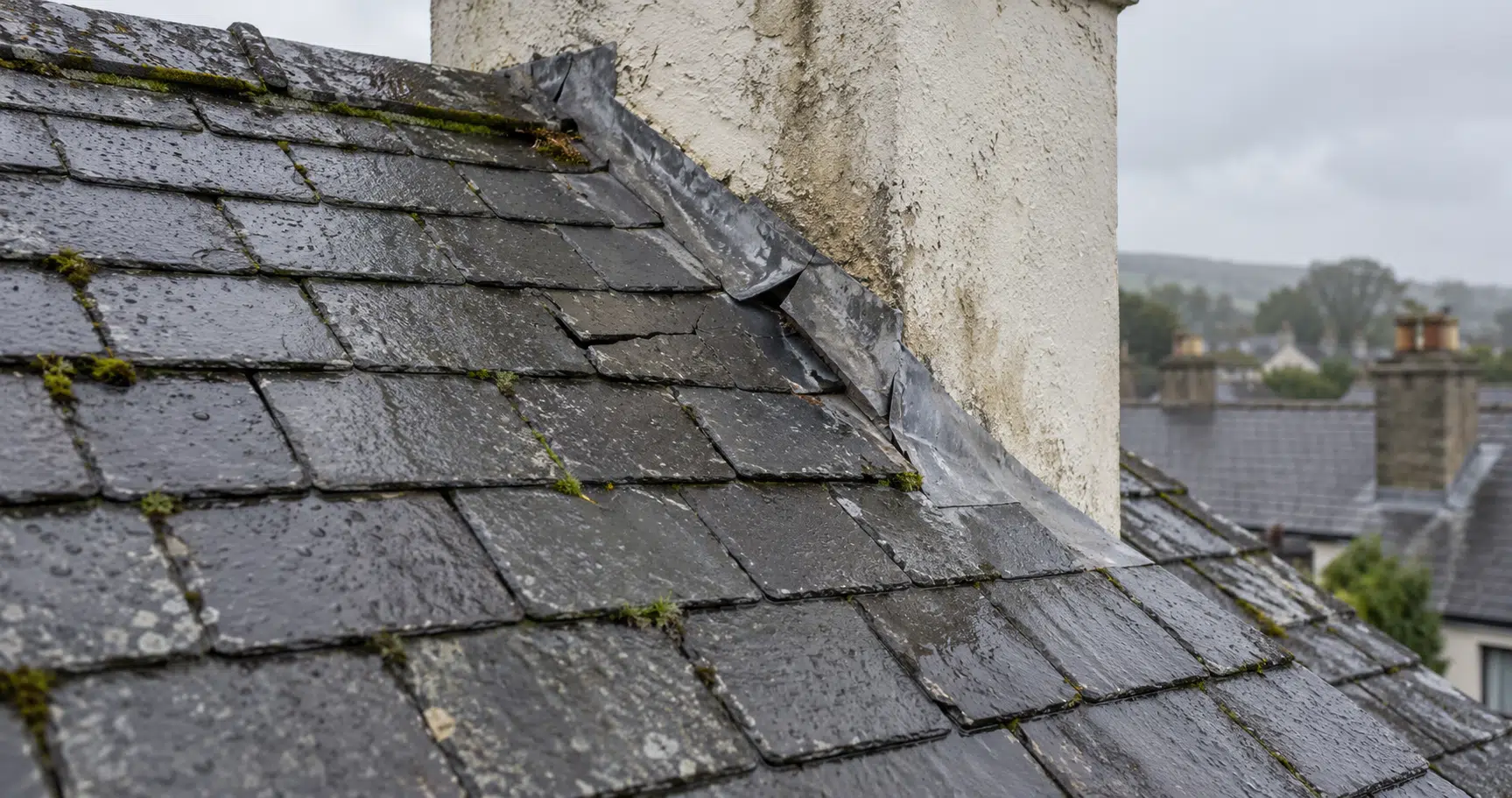
Your roof often has various penetrations for things like HVAC units, vents, and pipes. These are common weak points where leaks can start if not sealed correctly. The flashing around these areas needs to be in good condition and properly sealed to prevent water from getting underneath. Over time, seals can degrade due to weather or movement of the equipment. We pay close attention to these areas during inspections and repairs, making sure all flashing is secure and watertight. Keeping these penetrations sealed is vital for the overall health of your roof and building interior. If you're looking for roofing and maintenance solutions, getting these details right is part of the job.
Finding a Reputable Commercial Roofer in Dublin
Right then, so you've got your commercial roof sorted, or you're planning a new one. That's a big deal for any business owner in Dublin. But who do you actually get to do the work? It’s not like picking someone to fix a leaky tap, is it? You need someone who knows their stuff, especially when it comes to things like flat roof installation Dublin or dealing with the sort of weather we get here. Choosing the right contractor is probably just as important as the roofing material itself.
Think about it. You want a company that’s actually worked on commercial buildings in Dublin before. They should know the local building rules and what works best with our wind and rain. A good roofer won't just slap a roof on and disappear; they'll be able to talk you through your options, explain why one material might be better than another for your specific building, and be upfront about costs. It’s about finding someone you can trust to do a proper job that’ll last.
Here’s a quick checklist of what to look for:
Local Experience: Have they done industrial roofing services Ireland or specifically in Dublin? Ask for examples.
Clear Communication: Do they explain things clearly? Do they answer your questions without making you feel daft?
References and Reviews: What do other businesses say about them? A good reputation is worth its weight in gold.
Proper Insurance and Licensing: This is non-negotiable. It protects you if anything goes wrong.
Detailed Quotes: Make sure you get a written quote that breaks down all the costs. No nasty surprises later.
Don't just go for the cheapest quote you get. Sometimes, paying a bit more for a reliable company that does a quality job means you'll save a fortune on commercial roof repair Dublin down the line. It’s about getting good value and peace of mind. They should also be able to help with ongoing commercial building maintenance Dublin, not just the initial job.
When you're looking for someone to handle your roof inspection for businesses Dublin, remember that a good contractor will be thorough. They won't just glance at it; they'll check everything properly and give you a clear report on what needs doing and why. It’s about protecting your investment.
So, take your time. Do a bit of digging. Ask around. Finding the right team for your commercial roofing needs in Dublin is an investment in your business's future.
Frequently Asked Questions
Why is a good commercial roof so important for a business in Dublin?
A strong commercial roof is vital for protecting your business's assets, employees, and overall investment. It helps keep your building safe from the weather, improves energy efficiency to save on bills, and can even make your property more valuable. Think of it as the first line of defence for your business operations.
What are the most common issues that commercial roofs face in Dublin?
Dublin's weather can be quite unpredictable. Common problems include leaks, especially if drainage isn't great, and damage from strong winds or heavy rain. Over time, roofs can also just get old and worn out, needing attention. It's important to keep an eye out for these issues to prevent bigger problems.
Which roofing materials are best suited for Dublin's climate?
For Dublin's climate, materials known for their toughness against wind and rain are a good choice. Rubber (like EPDM) is great for flexibility and weather resistance, while metal offers fantastic durability and can also help keep your building cooler by reflecting sunlight. Both can last a long time.
How can choosing the right roofing material help save money?
Opting for durable materials like metal or high-quality rubber membranes might cost a bit more upfront, but they last much longer and need less fixing. Plus, energy-efficient materials, such as reflective ones, can significantly cut down your heating and cooling costs over the years, leading to big savings.
What's the role of a good contractor in a commercial roofing project?
A skilled contractor is like a trusted advisor. They don't just install the roof; they help you pick the best materials for your specific needs and Dublin's weather. A good contractor ensures the work is done right, safeguarding your investment and making sure your roof lasts as long as possible.
How does regular maintenance help my commercial roof?
Regular check-ups and prompt repairs are super important. They help catch small issues, like minor leaks or debris blocking drains, before they turn into major, expensive problems. Think of it as routine health checks for your roof to keep it in top shape and extend its life.
Are there eco-friendly roofing options available for businesses in Dublin?
Yes, absolutely! You can choose sustainable materials like reflective 'cool roofs'. These not only help your business save on energy costs by keeping the building cooler, but they also help reduce the 'urban heat island' effect in Dublin, making it a greener choice.
What signs indicate that my business might need commercial roofing services soon?
Keep an eye out for water stains on ceilings or walls, as this means water is getting in. Also, if you notice missing or damaged shingles, or if water tends to sit on your roof after it rains (called ponding), it's a clear sign you should get it checked out by a professional.