Key Takeaways
- Slate is a natural stone, while tiles are manufactured from clay or concrete, offering different aesthetics and properties.
- Slate roofs are known for exceptional longevity, potentially lasting over 100 years, whereas tiles typically last around 50 years.
- Slate is more expensive upfront due to material cost and installation complexity, while tiles are generally more affordable.
- Slate is very heavy and brittle, requiring a strong roof structure, whereas tiles are lighter and can break or displace more easily.
- Consider the specific climate and architectural style of your Dublin home when deciding between the durability and cost-effectiveness of tile vs. slate.
Understanding Tile Roofs
Types of Tile Roofs
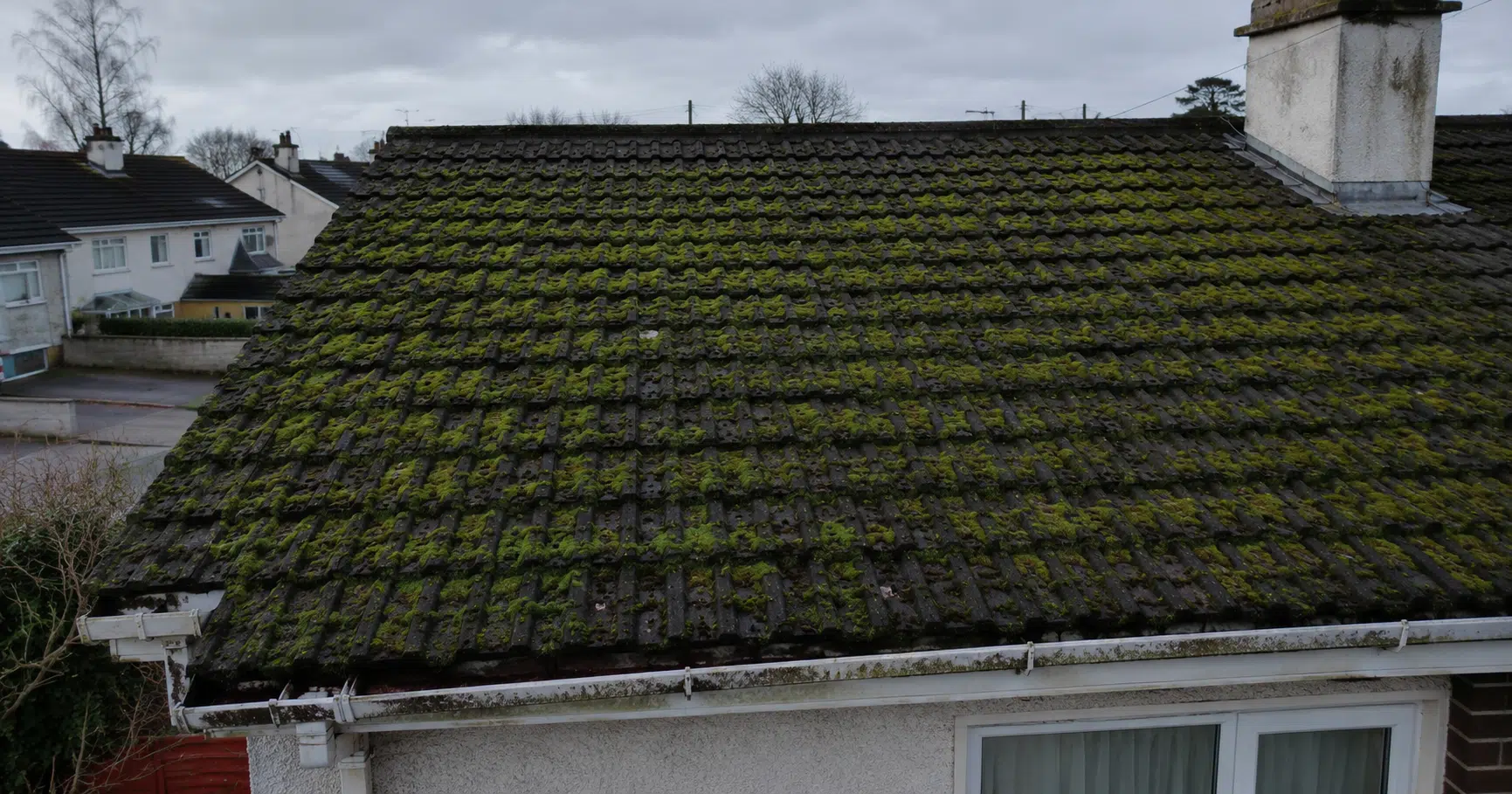
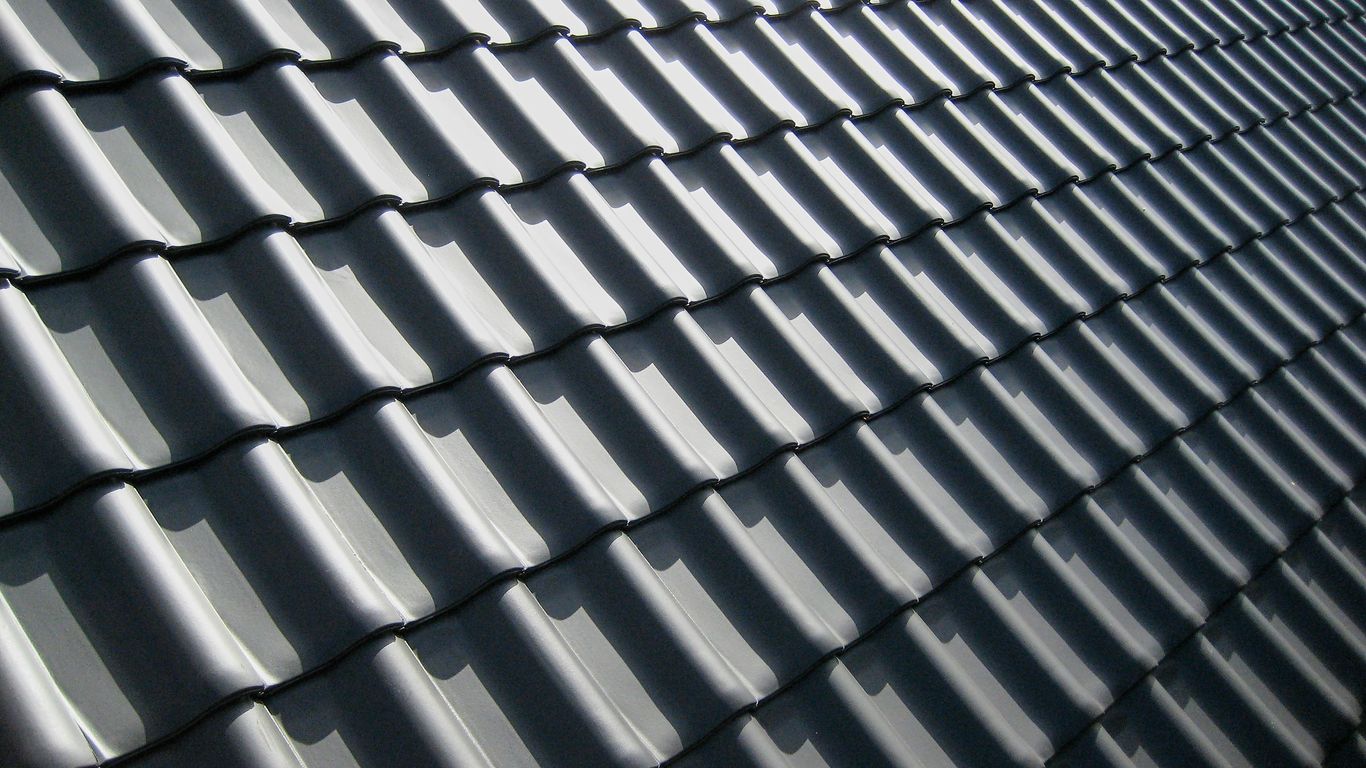
When we talk about tile roofs, we’re generally referring to manufactured roofing materials, most commonly made from fired clay or concrete. Unlike natural slate, tiles are created in a factory, which means there’s a huge variety in their appearance. You can get them in all sorts of colours, shapes, and finishes. This makes them a really flexible option for different house styles. Clay tiles, for instance, are a popular choice in Ireland and can be made to look quite traditional or even a bit rustic. Concrete tiles are another common sight, often a bit more budget-friendly. There are also newer options like metal tiles, which are gaining traction, especially in coastal areas where salt spray can be a problem for other materials.
Pros of Tile Roofs
One of the biggest draws of tile roofing is the sheer variety available. You can really find a tile to match almost any aesthetic, from modern to traditional. They’re generally easier and quicker to install than slate, especially the larger format tiles, which can bring down labour costs. This makes them a more accessible option for many homeowners. Plus, they tend to be pretty durable, usually lasting around 50 years with good maintenance. Clay tiles, in particular, can be manufactured with dyes baked in, so the colour is less likely to fade over time. They can also be used on lower pitch roofs, offering more flexibility in design.
Cons of Tile Roofs
While tiles are durable, they aren’t indestructible. They can be prone to breaking if walked on incorrectly or if hit by heavy debris. Because they’re manufactured, they might not have the same natural, authentic look that some people prefer, especially for older properties. If you’re looking for a roof that will genuinely last for more than a century, tiles typically won’t go the distance like slate can. Also, while the initial cost is often lower than slate, you might find yourself needing more repairs over their lifespan compared to a well-maintained slate roof. For very complex roof shapes or areas with high winds, smaller tiles might be needed, which can increase installation time and cost.
When considering tile roofing materials in Ireland, it’s worth noting that while they offer a wide range of styles and a decent lifespan, they might not offer the same longevity or unique aesthetic as natural slate. The manufacturing process allows for great variety, but also means they lack the inherent character of a natural stone product.
Understanding Slate Roofs
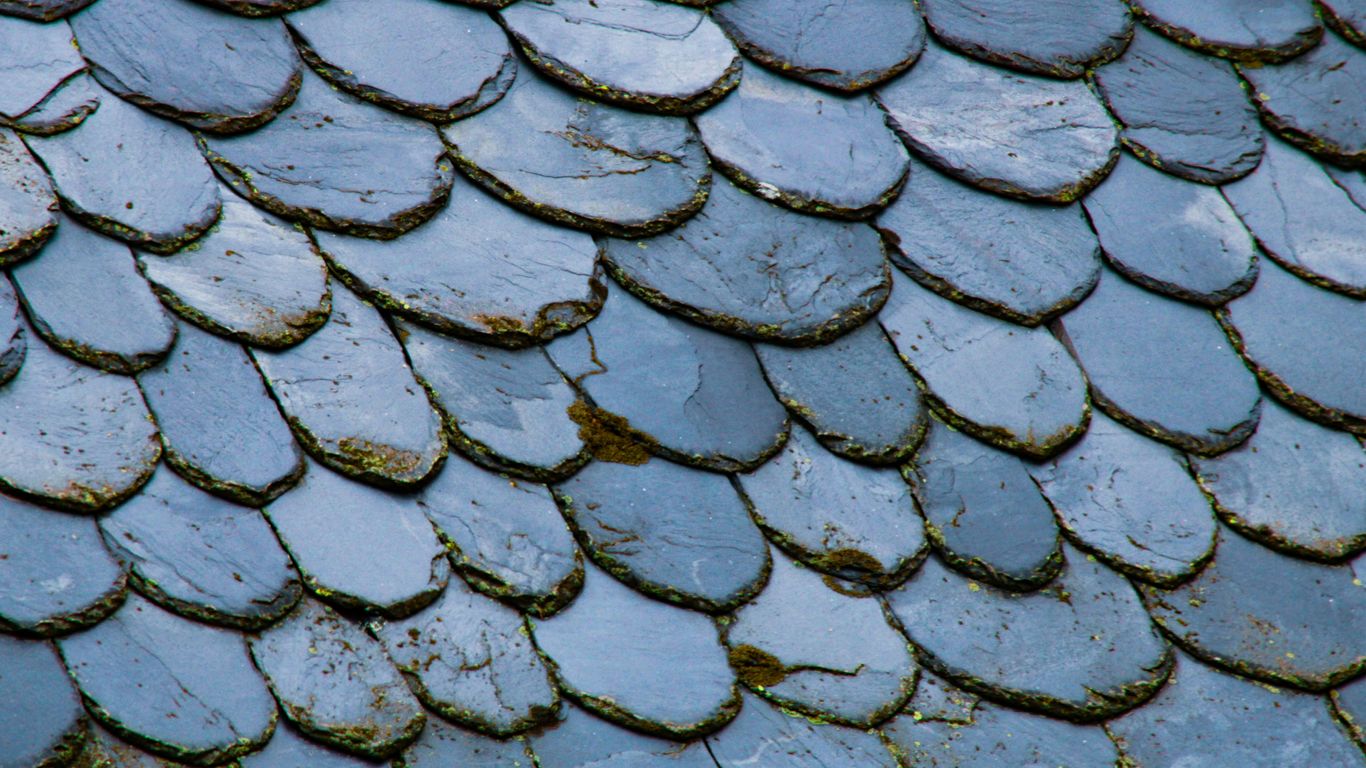
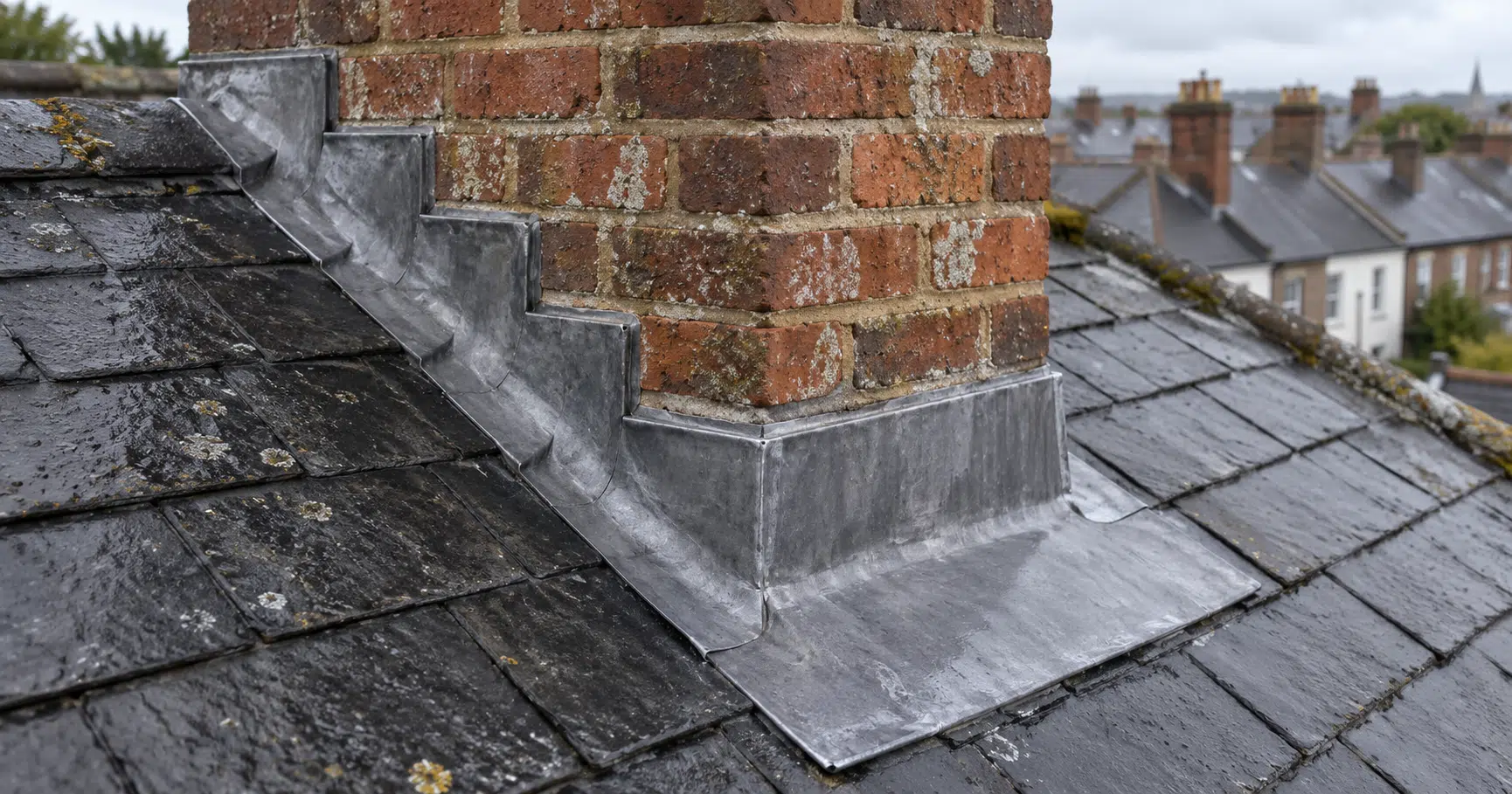
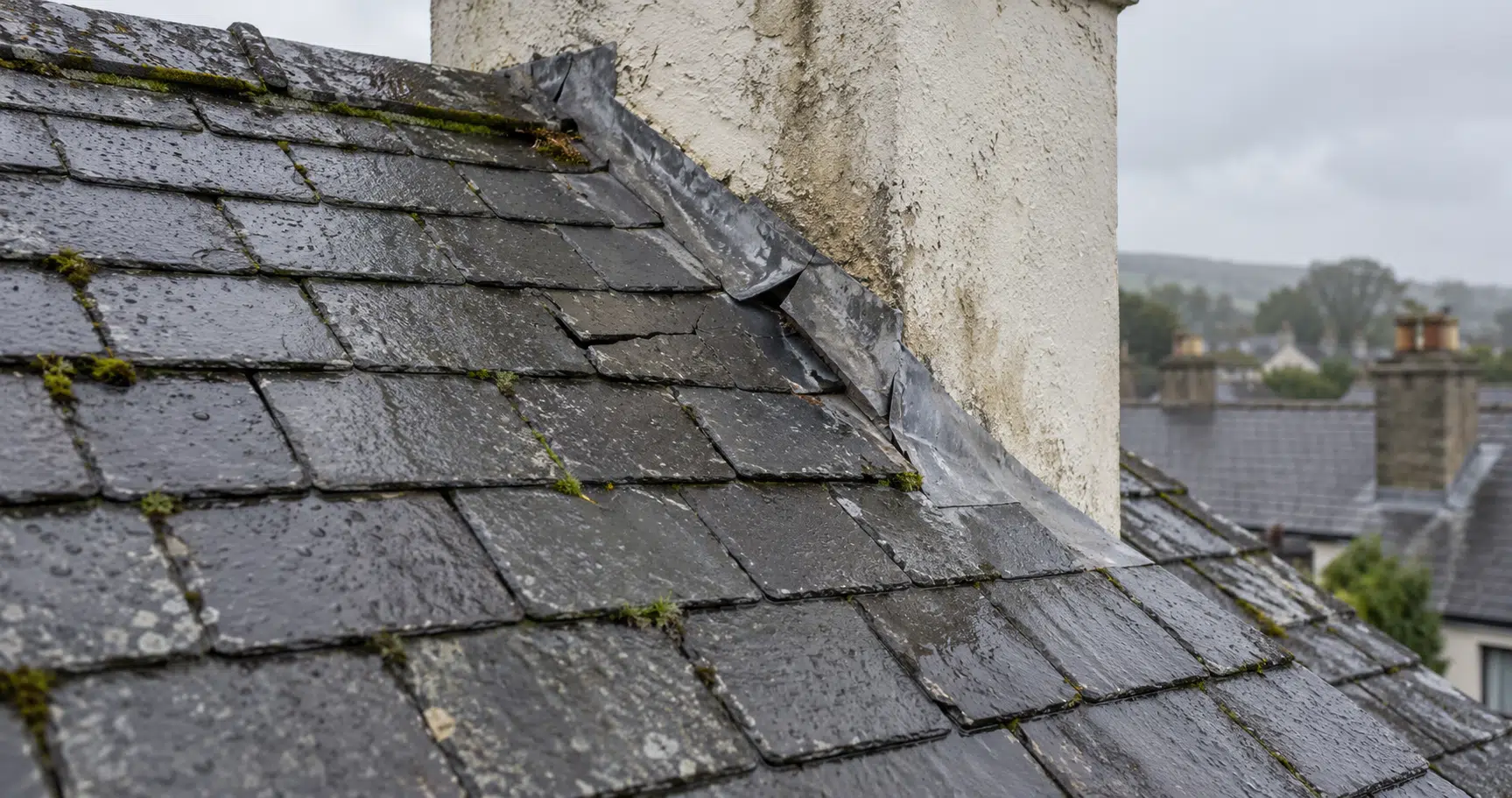
Slate is a bit different from tiles because it’s a natural stone, not something manufactured. It’s mined from the ground and then split into thin layers, which is why it’s so good for roofing. You’ll often see it in shades of grey, but the colour can change a lot depending on where it’s from. It also has a nice variety of textures, so you can get a look that suits your house.
Types of Slate Roofs
While slate itself is a natural material, the way it’s prepared and sourced can vary. You’ve got your traditional, high-quality slates, often from places like Wales, which have a long history and a great reputation. Then there are imported slates, which can sometimes be a more budget-friendly option. It’s worth noting that not all stone sold as ‘slate’ is actually slate; some might be mudstone, so it’s a good idea to check that your chosen slate meets the relevant standards, like BS EN 12321, for strength and water absorption.
Pros of Tile Roofs
One of the biggest draws of slate is its incredible durability. These roofs can genuinely last for well over a century, often two or even more, with minimal fuss. Because it’s a natural stone, it’s resistant to fire, rot, and even insect damage. This means that while the initial outlay might be higher, you’re unlikely to face many repair bills down the line. It also gives a really authentic, classic look to a property, which is why it’s so popular on older homes.
Cons of Tile Roofs
Slate isn’t the lightest material, so your roof’s structure needs to be strong enough to support it. If it’s not, you might need extra support, which adds to the cost. Slate can also be a bit brittle. This means it can chip or break if something heavy hits it, or in very high winds, so it’s important to make sure it’s installed correctly and maintained. Another thing to consider is the pitch of your roof; slate generally needs a steeper pitch than tiles to work effectively, usually around 25 degrees or more, though some specific types can go lower.
The natural beauty and extreme longevity of slate are undeniable. However, its weight and potential brittleness mean careful consideration of your home’s structure and local weather conditions is a must before choosing this premium roofing material.
Here’s a quick look at the pros and cons:
- Pros:
- Exceptional lifespan (100+ years)
- Natural, elegant appearance
- Fire, rot, and insect resistant
- Low maintenance
- Cons:
- Higher initial cost (natural slate roof cost can be significant)
- Heavy, may require structural reinforcement
- Can be brittle and susceptible to damage
- Requires a steeper roof pitch
Key Differences: Tile vs. Slate
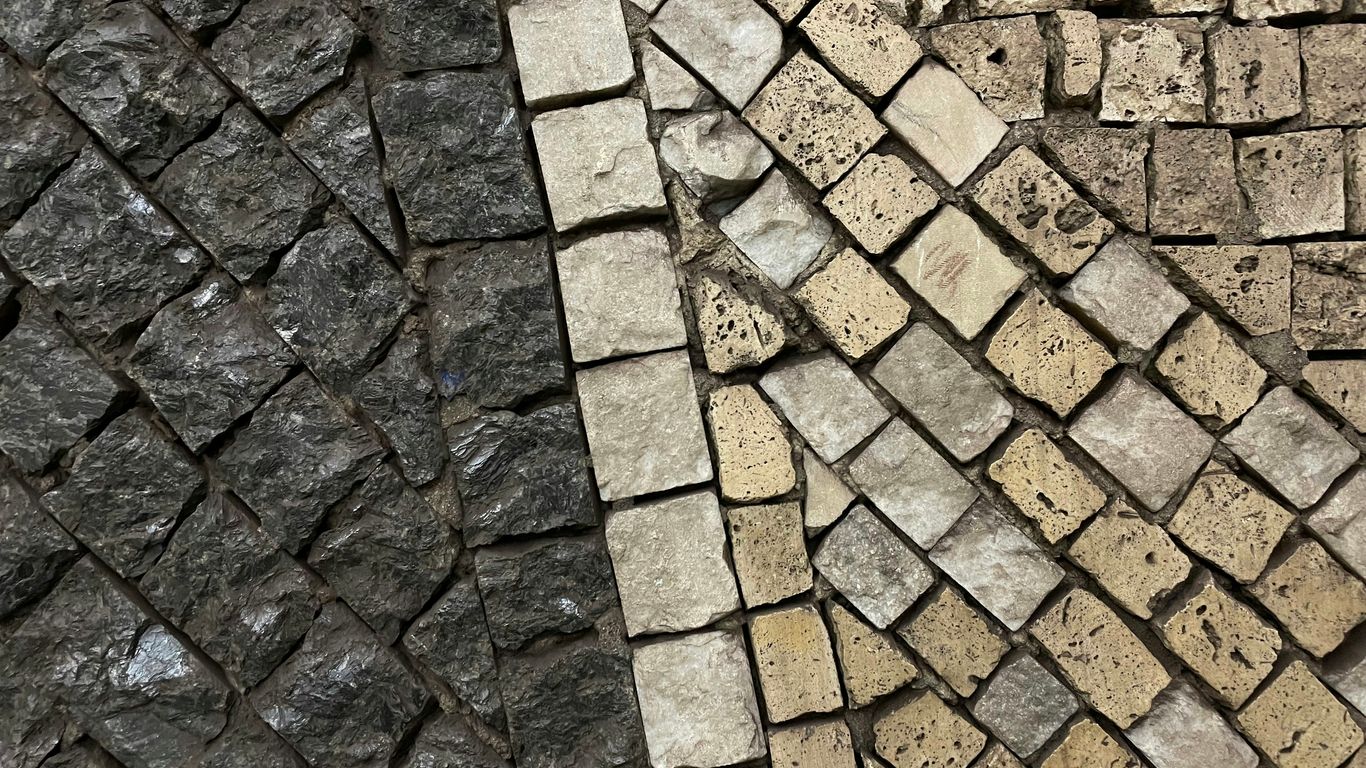
When you’re weighing up your options for a new roof, the choice between tile and slate often comes up. While both can look fantastic, they’re quite different beasts under the surface. Understanding these differences is key to picking the right one for your home in Dublin.
Durability and Lifespan
This is probably the biggest talking point when comparing tile vs. slate. Slate is a natural stone, and because of this, it’s incredibly durable. We’re talking about a material that can genuinely last for over a century, sometimes even two, with good care. Many older buildings still sport their original slate roofs, looking as good as the day they were laid. It’s tough, resistant to rot, fire, and even insects.
Tiles, on the other hand, are manufactured. Whether they’re clay or concrete, they generally have a lifespan of around 50 years. They’re not bad, not by a long shot, but they just don’t have that same ‘forever’ quality as slate. Tiles can be more prone to breaking or cracking over time, especially with harsh weather or if something heavy lands on them. So, while a tile roof will serve you well for decades, a slate roof is more of a generational investment.
Cost Comparison
Let’s be honest, cost is always a major factor. Generally speaking, slate roofs come with a significantly higher upfront price tag than tile roofs. This is due to a few things: the material itself is more expensive to source, and the installation process is often more complex and time-consuming. Slate is heavy, so your roof structure might need reinforcing, adding to the cost. Plus, each slate needs to be carefully prepared and fitted.
Tiles, especially concrete ones, are usually more budget-friendly. They’re easier and quicker to install, which cuts down on labour costs. You also get a lot more variety in terms of colour and style with tiles, often at a lower price point. So, if you’re on a tighter budget or looking for a quicker fix, tiles might seem more appealing initially. However, it’s worth remembering that the long-term cost of a slate roof can be lower because you’re unlikely to need to replace it for a very, very long time, whereas tiles might need replacing sooner.
Here’s a quick rundown:
- Slate: High initial cost, but potentially lower lifetime cost due to extreme longevity.
- Tiles: Lower initial cost, but may require replacement sooner, leading to higher long-term expenditure.
When you’re looking at the numbers, it’s not just about the price tag today. Think about how long the roof will last and what future maintenance or replacement costs might be. A bit of extra spent now on slate could save you a lot down the line.
Which is Best for Dublin Homes?
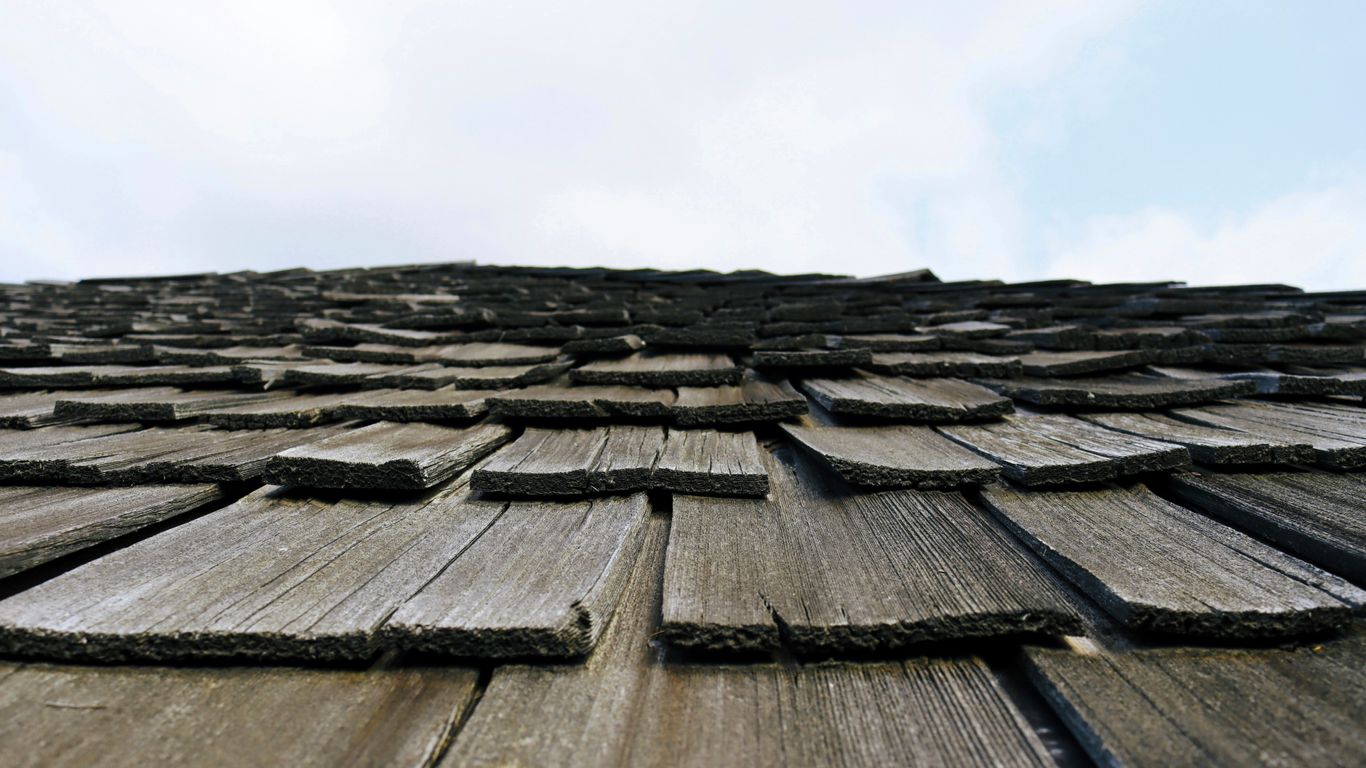
So, we’ve looked at tiles and slate individually. Now, let’s get down to brass tacks: which one is the better bet for a Dublin home? It really boils down to what you’re after and, let’s be honest, your budget.
For most Dublin homeowners, a good quality tile roof is probably the most sensible choice. They’re a familiar sight for a reason – they’re tough, don’t need a lot of fussing over, and you can get them in loads of colours and styles to match your place. Think about the classic red clay tiles you see on so many houses; they just work. Plus, they handle Dublin’s often damp weather pretty well, especially if you opt for something like a metal tile if you’re closer to the coast.
Slate, on the other hand, is the premium option. It looks absolutely stunning, giving a really solid, natural feel that suits older properties or those aiming for a more traditional, high-end look. But, and it’s a big ‘but’, slate is heavy. You’ll need a really strong roof structure to support it, which adds to the cost. And speaking of cost, slate is significantly more expensive upfront than tiles. It’s a long-term investment, for sure, but one that many people can’t stretch to.
Here’s a quick rundown:
- Tiles: Generally more affordable, lighter, wide variety of styles, good durability.
- Slate: Premium look, exceptional lifespan, very heavy, significantly more expensive.
When you’re weighing it up for a Dublin home, consider these points:
- The Weather: Both can cope, but tiles are often a bit more forgiving in terms of installation and maintenance in our climate.
- The Look: Do you want classic and varied (tiles) or timeless and elegant (slate)?
- The Budget: This is often the deciding factor. Tiles offer great value for money.
- Structural Integrity: Can your existing roof structure handle the weight of slate? If not, tiles are the obvious path.
Ultimately, while slate offers a certain undeniable prestige and longevity, the practicality, cost-effectiveness, and sheer variety of tile roofing make it the go-to choice for the majority of Dublin homes. It’s a reliable performer that offers a great balance of aesthetics and function without breaking the bank.
So, Tiles or Slate for Your Dublin Home?
Right then, we’ve looked at tiles and slate for your roof. Tiles are usually the cheaper option and come in loads of colours, making them a good all-rounder, especially for newer builds. Slate, on the other hand, gives you that really classic, natural look that suits older properties a treat. It’s built to last for ages, but you’ll be paying more upfront. Ultimately, the best choice really depends on what you like the look of, what fits your house best, and what your budget is. Both have their place, so it’s down to you to pick the winner.
Frequently Asked Questions
How long do tile roofs typically last?
Most tile roofs are built to last for around 50 years. They’re made from tough stuff like fired clay or concrete, so they can handle a fair bit of weather.
Are slate roofs very heavy?
Yes, slate is a natural stone, and it’s quite heavy. You’ll need to make sure your house’s frame is strong enough to support the weight before you get a slate roof installed.
Which is more expensive, tile or slate?
Generally, slate roofs cost more to put on than tile roofs. This is because slate is a natural material that needs to be mined and can be trickier to fit.
Can you get different colours of tile roofs?
Absolutely! Because tiles are made by people, they can be coloured in all sorts of ways. You can get clay tiles in many shades, and concrete tiles can be coloured too, giving you lots of choices to match your home.
Is slate roofing good for windy areas?
Slate can be a bit brittle, which means strong winds could potentially cause damage. It’s important to make sure your slate roof is fitted properly and kept in good condition if you live in a very windy spot.
Do tile roofs need much looking after?
Tile roofs are pretty low-maintenance. You might need to fix or replace a tile now and then if it gets broken or moves, but overall, they don’t need a lot of fuss.
What’s the main difference between tiles and slate?
The biggest difference is that tiles are made by humans, usually from clay or concrete, while slate is a natural stone that’s mined from the ground.
Can slate roofs be fitted on any type of house?
Slate roofs look fantastic on older buildings, giving them a really authentic feel. However, because they are heavy and have specific fitting needs, they might not be the best choice for every single house, especially if the structure isn’t very strong.