Key Takeaways
Ireland’s weather really puts roofs to the test, with strong winds and heavy rain being common.
Asphalt shingles are popular but might not be the best for extreme wind.
Metal and slate roofs tend to be very tough against the elements, though they cost more upfront.
Wood shakes offer a nice look but need regular upkeep and can be a fire risk.
Newer synthetic materials are designed to mimic traditional looks while offering good weather resistance.
Understanding Ireland’s Unique Roofing Challenges
When you’re thinking about the best roofing for Irish weather, it’s not just about picking something that looks nice. Ireland’s climate throws some serious curveballs at our homes, and the roof is right there on the front line. We’re talking about relentless rain, of course, but also some pretty fierce winds that can whip across the country.
Here’s a breakdown of what makes Ireland a bit different for roofing:
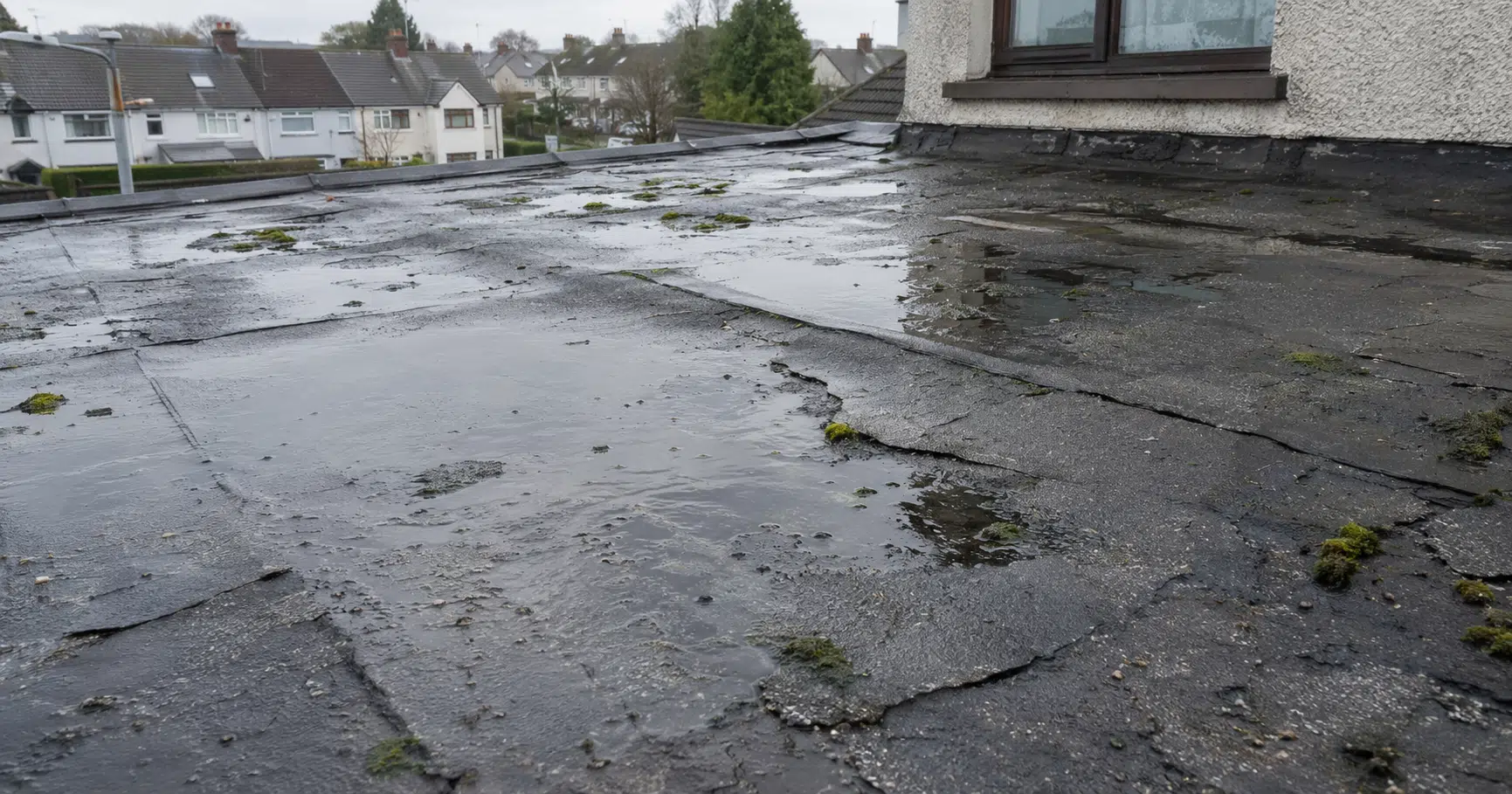
Persistent Rainfall: It’s not just the volume, but the sheer consistency of the rain. This means any roofing material needs to be excellent at shedding water and preventing leaks. Standing water is a real enemy here.
Strong Winds: Ireland often experiences strong gusts, especially along the coast. Your roof needs to be able to withstand these forces without lifting or losing tiles. This is where wind resistance ratings become really important.
Temperature Fluctuations: While we don’t get extreme heat or cold like some places, the constant dampness combined with temperature changes can still wear down materials over time. Freeze-thaw cycles, even mild ones, can cause damage.
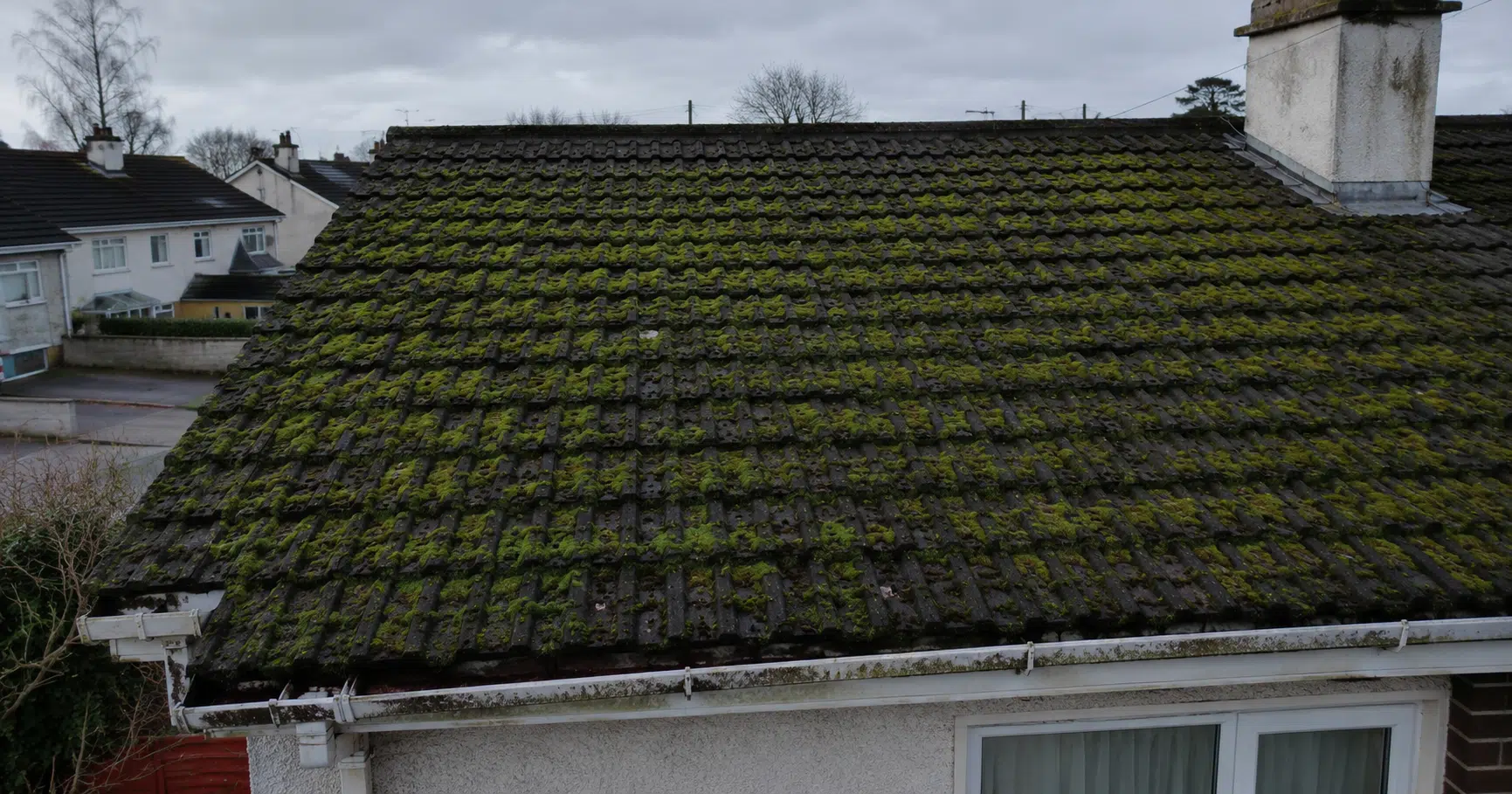
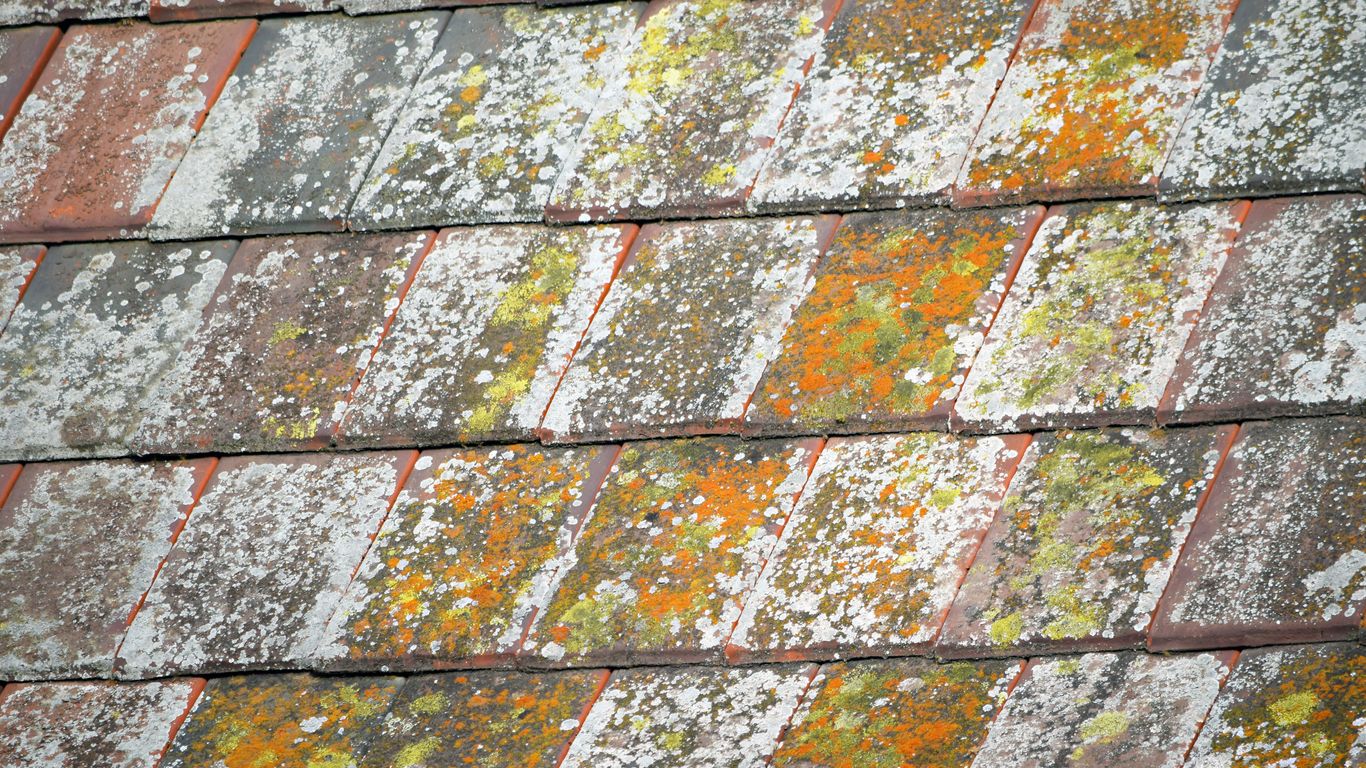
Moss and Algae Growth: The damp conditions are perfect for moss and other growth to take hold on roofs. This can not only look untidy but can also trap moisture and lead to deterioration.
So, when we look at durable roof options Ireland homeowners can rely on, we need to keep these factors front and centre. It’s about finding materials that can handle the damp, the wind, and the general wear and tear that comes with living on this beautiful, but often wet, island.
The Contenders: A Comprehensive Look at Roofing Materials
When it comes to keeping your home snug and dry here in Ireland, the roof above your head is, well, everything. With our famously changeable weather, picking the right material isn’t just about looks; it’s about survival. We’ve got a whole host of residential roofing choices out there, each with its own pros and cons, especially when you’re comparing roofing materials for their ability to stand up to wind, rain, and everything in between. Let’s take a proper look at the main players.
Asphalt Shingles: The Ubiquitous Choice
These are probably what most people picture when they think of a roof. They’re popular for a reason – they’re generally the most budget-friendly option to start with and come in a decent range of colours. They’re not too tricky to install either, which helps keep labour costs down. However, they don’t always have the longest lifespan, and while they can handle a bit of wind, really strong gusts can lift or tear them. For our climate, they might need replacing more often than some other options.
Metal Roofing: Durability Meets Design
Metal roofs, whether they’re made of steel, aluminium, or copper, are known for being tough. They can really take a beating from the weather, which is a big plus for Ireland. They’re excellent at shedding water and snow, and they’re surprisingly good against high winds too. Plus, they can last for a very long time, often 50 years or more. The initial cost can be higher than asphalt shingles, but the longevity often makes it a good investment. They also offer a modern look that many homeowners are going for.
Slate Roofing: Timeless Elegance and Longevity
Now, if you’re after something that screams quality and lasts practically forever, natural slate is a top contender. These are proper, heavy tiles quarried from stone. They look absolutely stunning and can easily last over a century. Slate is incredibly resistant to pretty much everything the weather throws at it. The downsides? They are very heavy, meaning your roof structure needs to be strong enough to support them, and they are also one of the most expensive options upfront. Installation also requires specialist skills.
Wood Shingles and Shakes: Natural Charm and Vulnerability
There’s a certain rustic appeal to wood roofs, isn’t there? They offer a natural, warm look that many people love. Wood shingles are typically sawn smooth, while shakes are hand-split, giving a more rugged appearance. They can be good insulators. However, they do require more maintenance than other materials. They can be susceptible to rot, moss growth, and insect damage, especially in a damp climate like ours. Fire resistance can also be a concern, though many are treated. Their lifespan can be shorter, and they might not be the best choice for our windier regions without proper upkeep.
Tile Roofing (Clay & Concrete): A Mediterranean Touch
Clay and concrete tiles bring a bit of a Mediterranean feel, but they can work here too. They’re quite durable and can last a good long time, often 50 years or more, especially concrete ones. They offer good protection against the elements and come in various styles and colours. Like slate, they are heavy, so structural support is key. While they can withstand wind reasonably well, individual tiles can be brittle and might crack under severe impact or if walked on incorrectly. They’re also a mid-to-high cost option.
Synthetic/Composite Roofing: The Modern Alternative
These are the newer kids on the block, made from a mix of materials like plastic, rubber, and polymers. They’re designed to mimic the look of other materials, like slate or wood shakes, but often at a lower cost and with less weight. Many synthetic options are engineered to be very weather resistant roofing solutions, offering good impact resistance and durability. They can be a great choice if you want the look of a premium material without the associated weight or high price tag. Their long-term performance in Ireland’s specific conditions is still being proven compared to traditional materials, but they are certainly worth considering.
Performance Metrics: How They Stack Up Against the Elements
Right then, let’s get down to brass tacks. We’ve looked at the materials, but how do they actually hold up when Ireland decides to throw everything it’s got at your house? It’s not just about looking good; it’s about surviving the wind, the rain, and the general dampness that seems to be a permanent fixture here.
Wind Resistance: Battling the Gales
Ireland’s notorious for its blustery weather, and a strong wind can do a real number on a roof. We’re talking about gusts that can lift, tear, and generally make a mess of things. Some materials are just built tougher than others when it comes to this.
Metal roofing often comes out on top here, especially standing seam types. They have fewer exposed edges for the wind to catch.
Asphalt shingles, while common, can be vulnerable. The edges can lift, and individual shingles can be ripped off if they aren’t installed perfectly or if they’re older.
Slate and tile roofs, being heavier, tend to stay put better, but their individual pieces can still be dislodged if the fixings fail.
The key is how well the material is fastened down and its overall aerodynamic profile.
Waterproofing and Drainage: Staying Dry in the Downpours
It rains. A lot. So, keeping that water out is pretty much job number one for any roof. A good roof needs to shed water effectively and not let it seep through.
Asphalt shingles rely on overlapping layers and a granular surface to shed water. However, if the underlayment is compromised or the shingles crack, water can get through.
Metal roofs are generally excellent at waterproofing, especially with well-sealed seams. Any water that gets past the primary barrier is usually directed away.
Slate and tile are naturally waterproof, but the effectiveness depends on the installation and the integrity of the mortar or fixings between them.
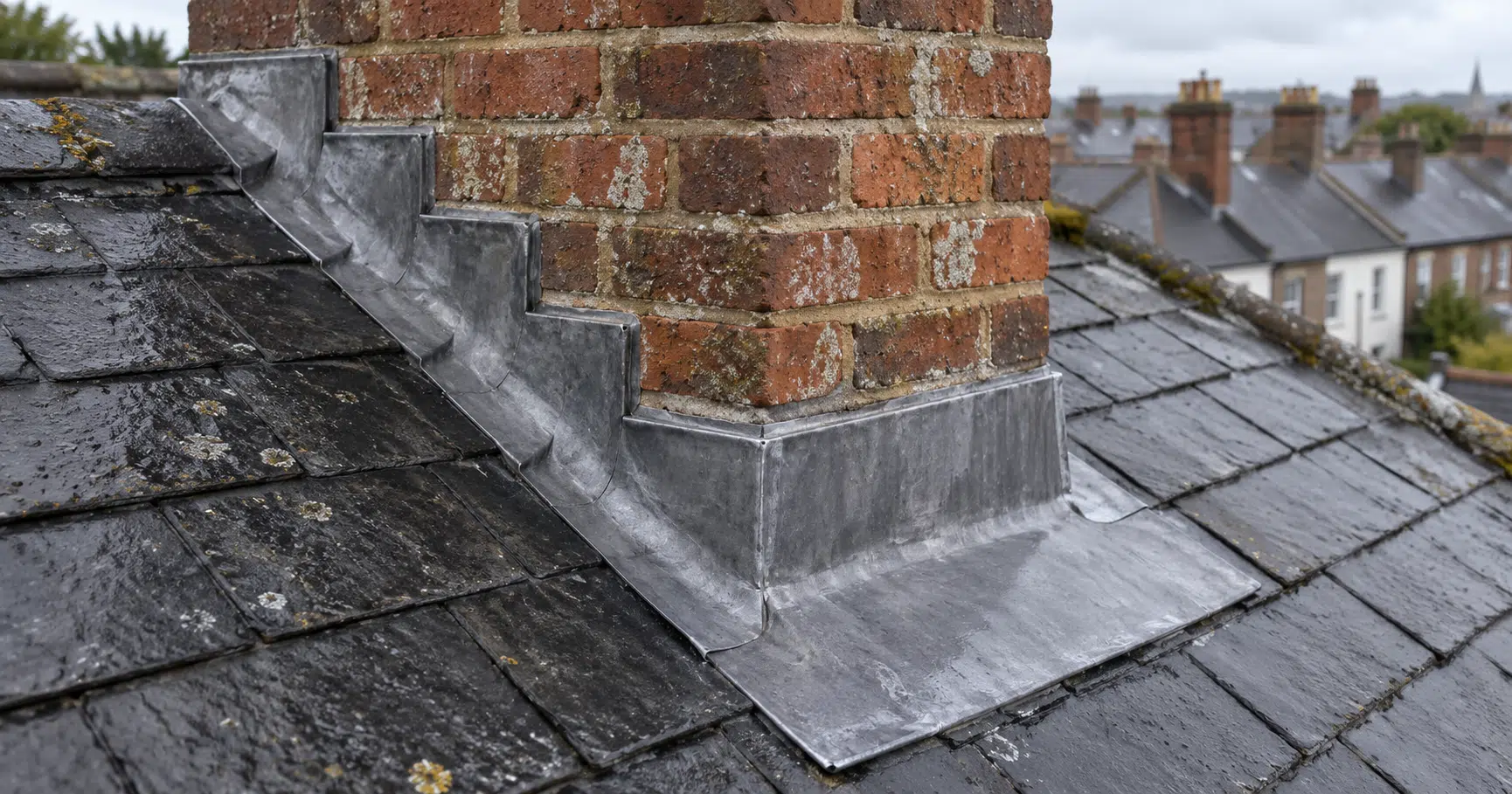
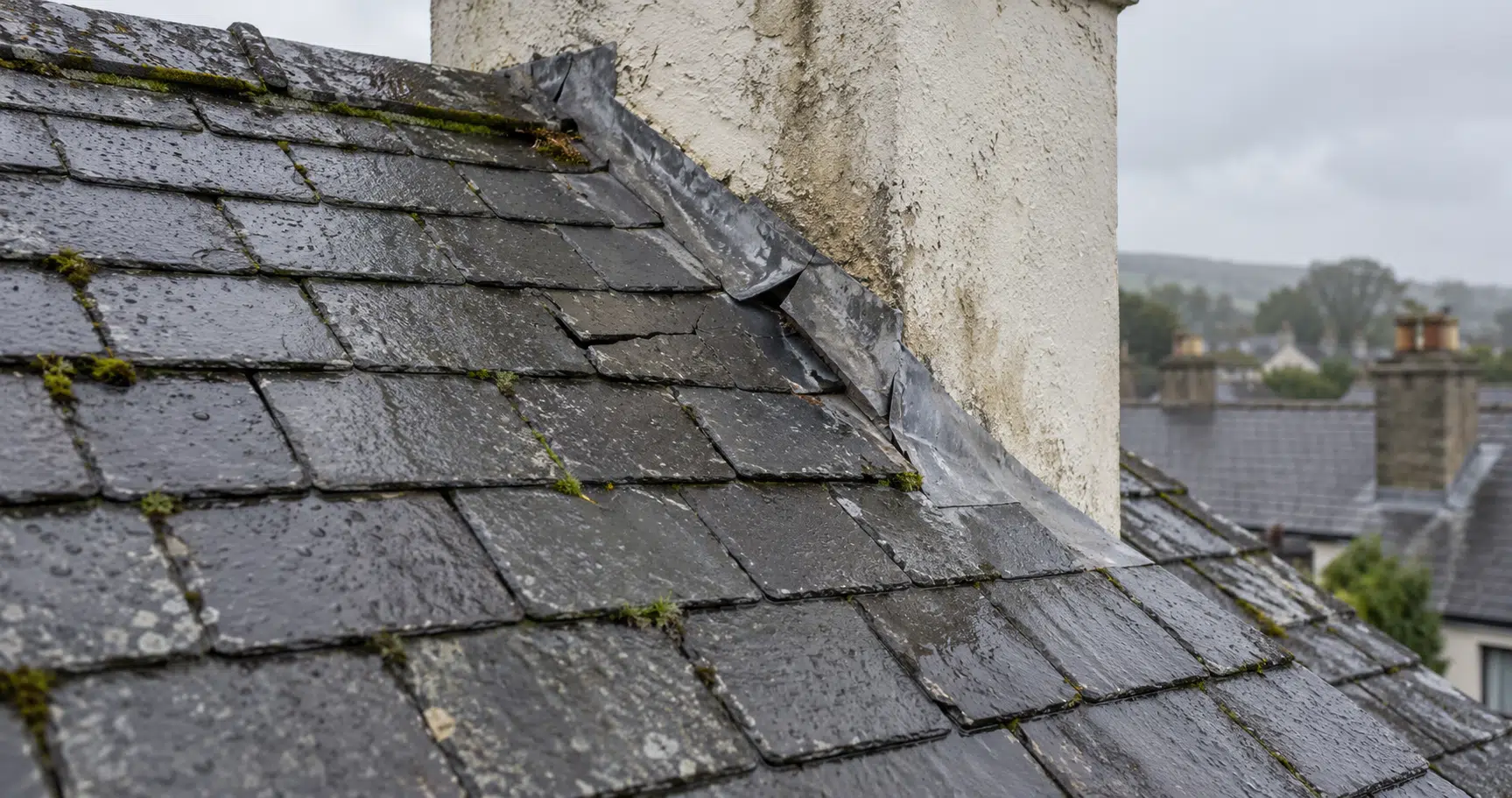
A poorly installed roof, no matter the material, will eventually leak. It’s the small details in the flashing, valleys, and edges that make all the difference when the heavens open.
Durability and Lifespan: Investing for the Long Haul
Nobody wants to be replacing their roof every few years. We’re looking for materials that can go the distance, especially with the wear and tear of Irish weather.
Here’s a rough idea of what you can expect:
Material | Typical Lifespan (Years) | Notes |
|---|---|---|
Asphalt Shingles | 15-30 | Varies greatly with quality and climate |
Metal Roofing | 40-70+ | Can last much longer if well-maintained |
Slate Roofing | 75-150+ | Extremely durable, but heavy and costly |
Wood Shingles/Shakes | 20-40 | Requires regular maintenance, fire risk |
Tile Roofing (Clay/Conc) | 50-100+ | Heavy, but very long-lasting |
Synthetic/Composite | 25-50 | Performance varies by manufacturer and type |
Ultimately, choosing the right material means balancing initial cost with long-term performance against the specific challenges our climate presents. It’s a big decision, and getting it wrong means more hassle and expense down the line.
Wondering how our roofing services hold up against the weather? We’ve got the details on how our work performs in different conditions. For a closer look at our quality and durability, visit our website today!
So, What’s the Verdict?
After looking at all the options, it’s clear that no single roofing material is perfect for Ireland’s unpredictable weather. We’ve seen how slate and certain metal roofs can stand up to the wind and rain, but they come with a higher price tag. Then there are the more budget-friendly choices like asphalt shingles, which do a decent job but might need more attention over time. Ultimately, the best choice for your home really depends on what you can afford and how much upkeep you’re willing to do. It’s always a good idea to chat with a local roofer who knows the specific conditions in your area. They can give you the best advice for keeping your home dry and secure, no matter what the Irish sky throws at it.
Frequently Asked Questions
What are the main weather worries for roofs in Ireland?
Ireland’s weather is famous for being a bit wild! We get a lot of rain, which can cause leaks and dampness. Strong winds are also a big problem, as they can lift or damage roof materials. So, roofs need to be tough against both water and wind.
Which roofing material is best for wind resistance?
Metal roofing and slate roofing are generally excellent at handling strong winds. They are heavy and well-secured, making them less likely to be blown off. Some modern synthetic materials also offer good wind resistance.
Are asphalt shingles a good choice for Ireland?
Asphalt shingles are popular because they’re affordable and easy to install. They can handle moderate weather well, but very strong winds or heavy, persistent rain can sometimes cause them to wear out faster than other options. It’s important to get good quality ones and have them fitted properly.
How do tiles cope with Irish weather?
Clay and concrete tiles look nice and can be quite durable. However, they can be heavy, and if not installed perfectly, strong winds might lift them. They also need good underlayment to stop water getting through, especially with all the rain we get.
What about wood shingles or shakes?
Wood offers a lovely natural look, but it’s not the best for wet climates like Ireland. It can rot, warp, or become home to moss and mould if not maintained very carefully. They also don’t tend to last as long as other materials in damp conditions.
Are there any modern, tough options?
Yes, synthetic or composite roofing materials are becoming more popular. They are designed to mimic the look of other materials like slate or wood but are often much more resistant to wind, rain, and general wear and tear. They can be a great long-lasting choice.
What’s the most important thing for keeping a roof dry?
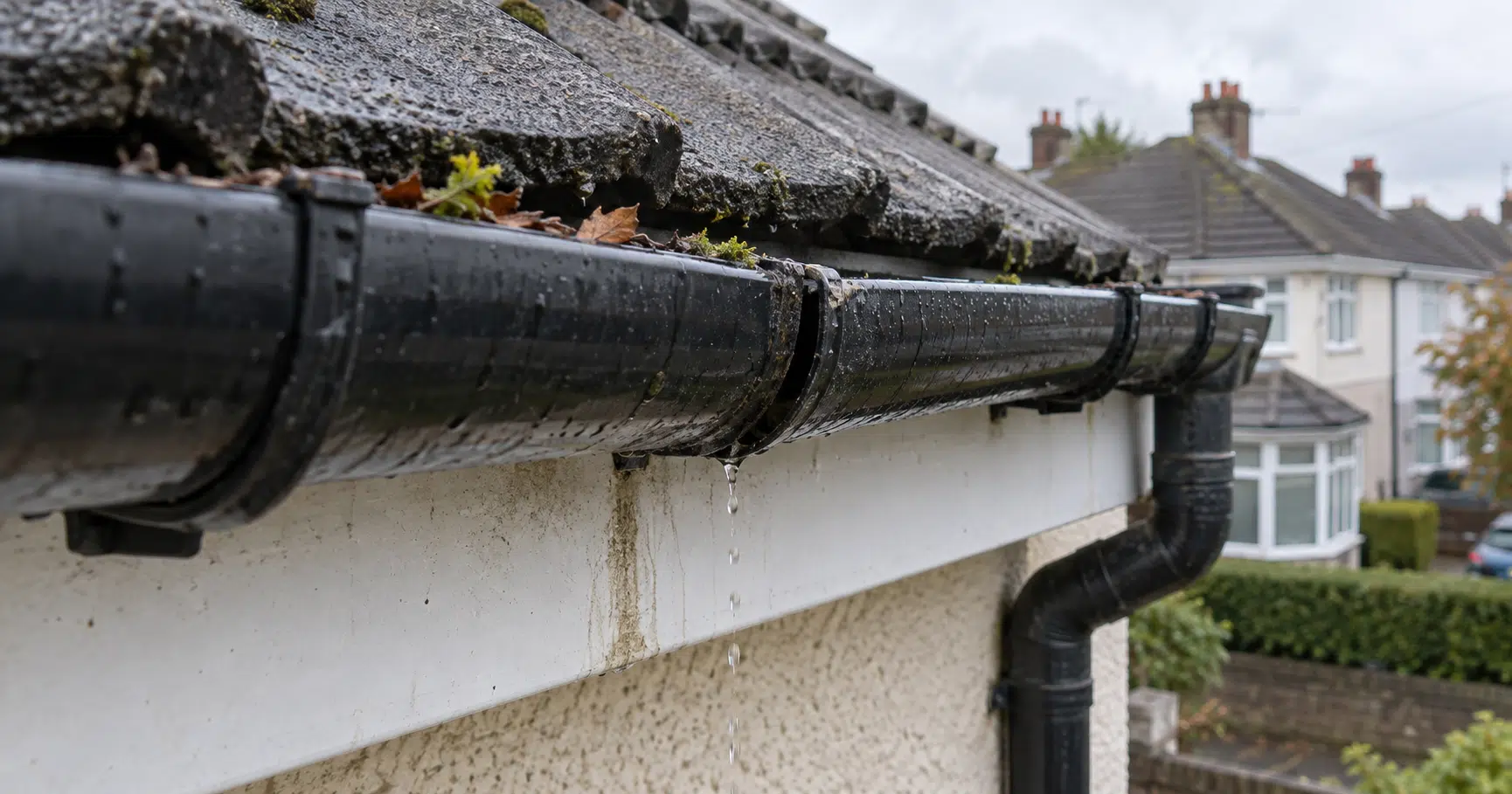
Good waterproofing is key! This means the material itself needs to shed water effectively, but also the way it’s installed, including underlayment and flashing, is crucial. Proper drainage, like well-functioning gutters and downpipes, also helps a lot to prevent water build-up.
Which roofing materials last the longest?
Materials like slate and high-quality metal roofing are known for their very long lifespans, often lasting 50 years or more. Some of the bette