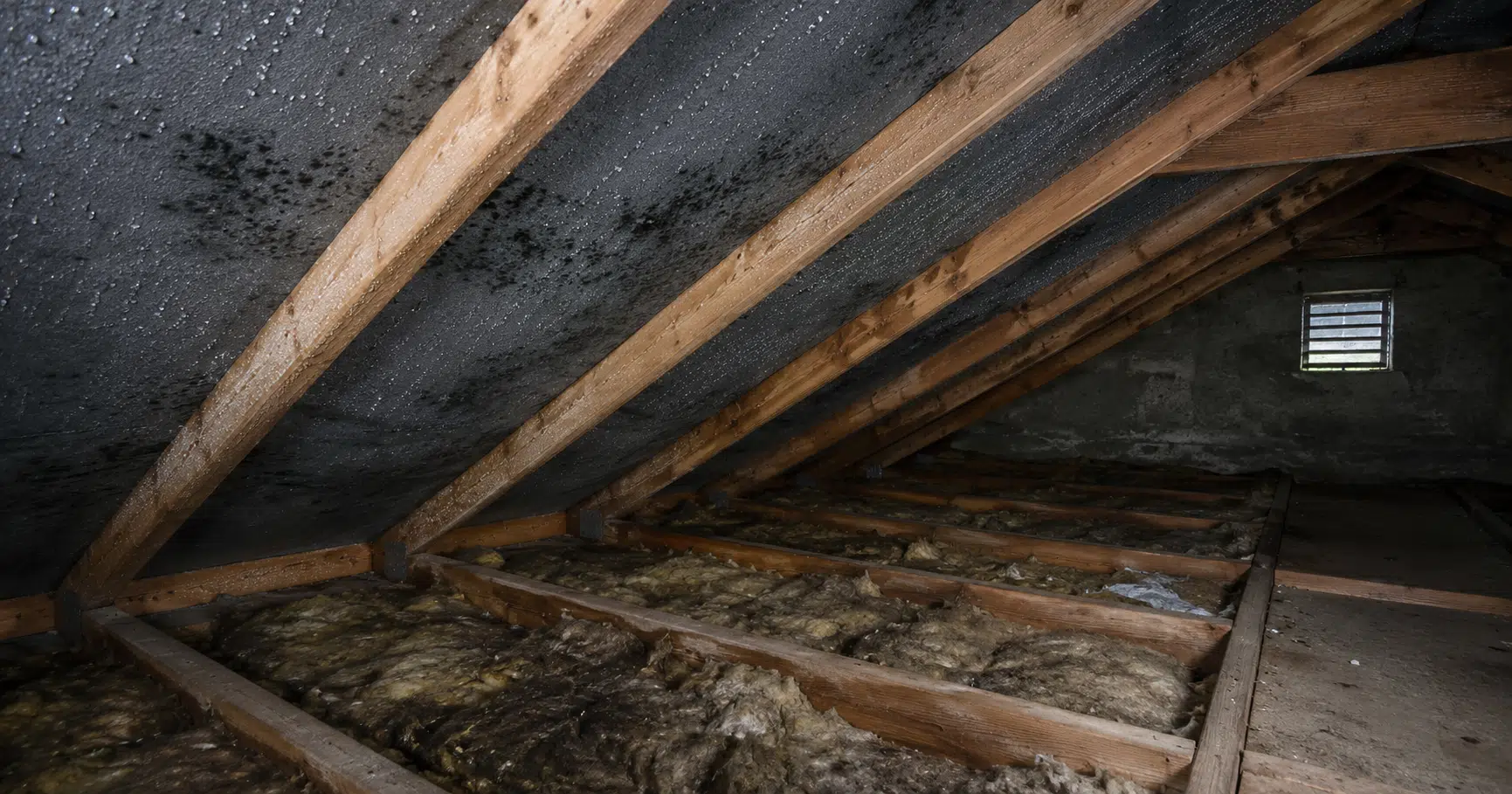
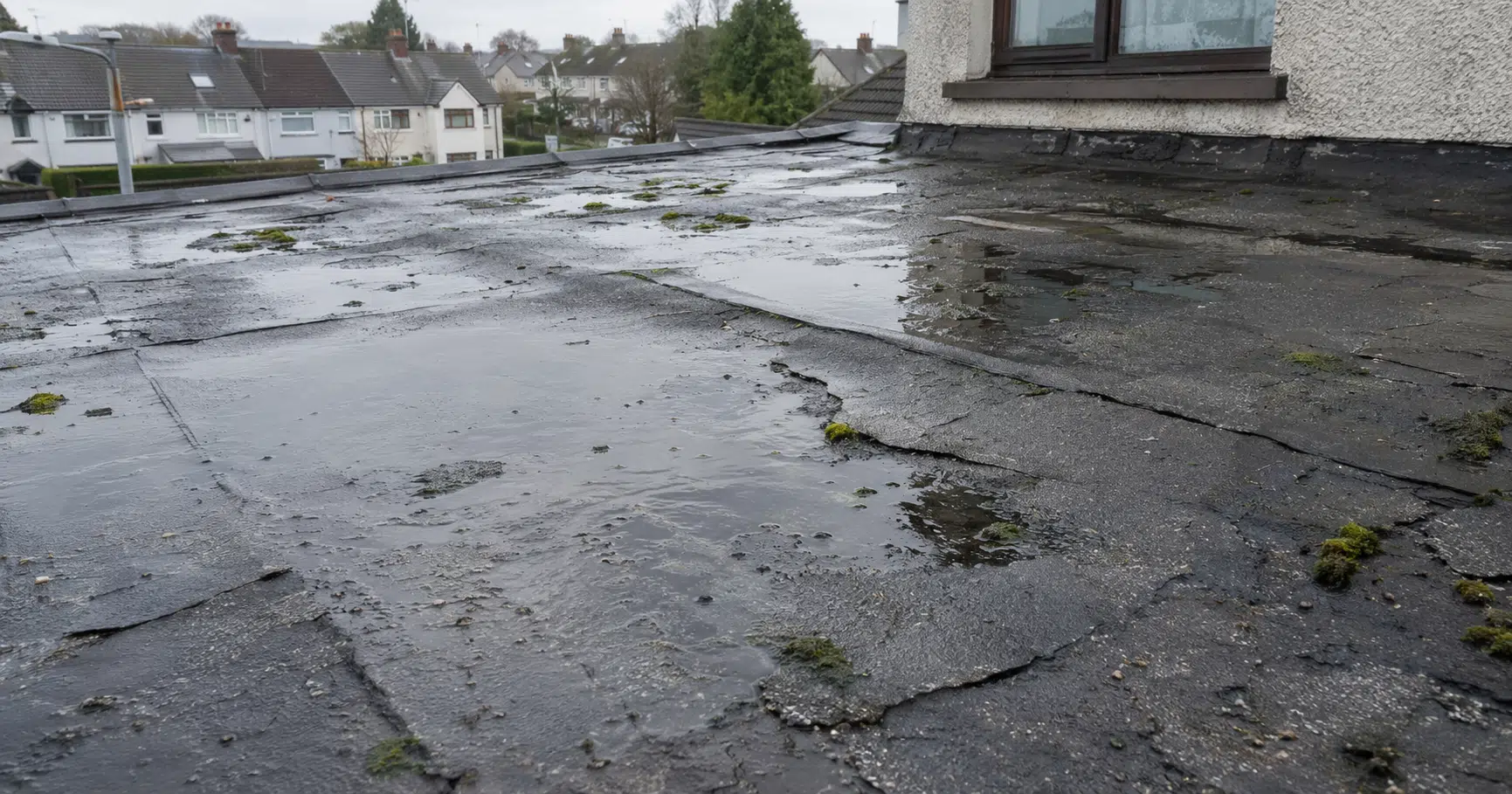
Ever walked past a house and just thought, 'Wow, that looks sharp'? A lot of that comes down to the little things, like the fascia and soffit. These bits of your house might not be as famous as say, the front door, but they do a lot of heavy lifting. They keep your home safe from the weather and make it look tidy. If you're thinking about giving your place a bit of a spruce-up, or you've noticed some wear and tear, understanding these parts is a good first step. Knowing when to install new fascias & soffits can save you a lot of bother down the line.
Key Takeaways
- Fascias are the vertical boards that hold your gutters, while soffits are the boards underneath the roof overhang, helping with attic airflow.
- Look out for peeling paint, water stains, animal signs, or sagging as clues that your fascias and soffits need attention.
- Replacing these parts can make your home look much better, protect it from damp and pests, and even add to its value.
- You've got choices for materials, like uPVC for low upkeep, or timber if you like a classic look.
- Getting pros to do the job is usually best, as they'll make sure everything is fitted correctly and lasts a long time.
What Are Fascias and Soffits?
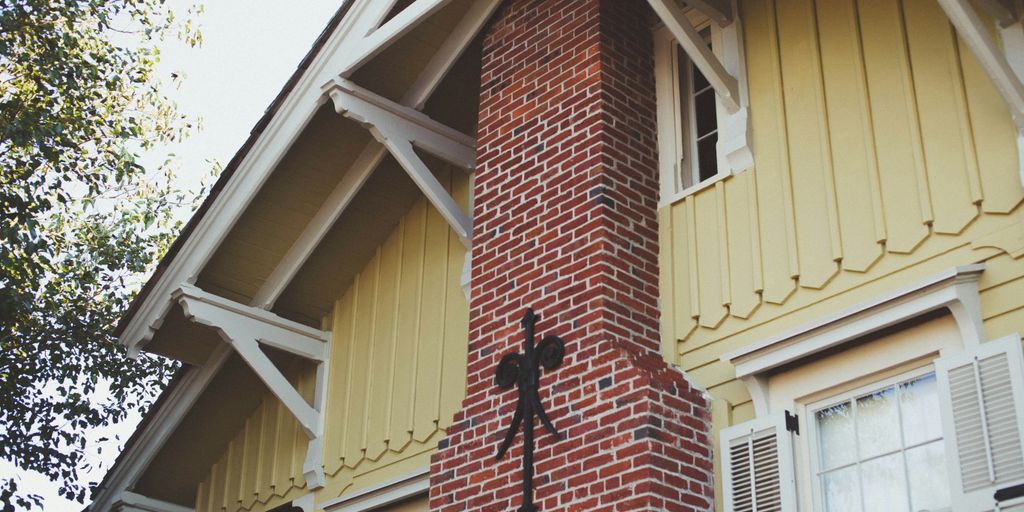
Fascia and soffit might not be the most glamorous parts of your house, but they're absolutely vital for keeping everything in good nick. They're like the unsung heroes of your roofing system, working hard behind the scenes to protect your home from the elements. You might not give them a second thought until something goes wrong, but understanding what they are and what they do can save you a lot of hassle (and money!) in the long run. Think of them as the finishing touches that not only make your house look smart but also keep it structurally sound. It's worth knowing about fascia and soffit to keep your house in tip-top shape.
The Role of Fascias
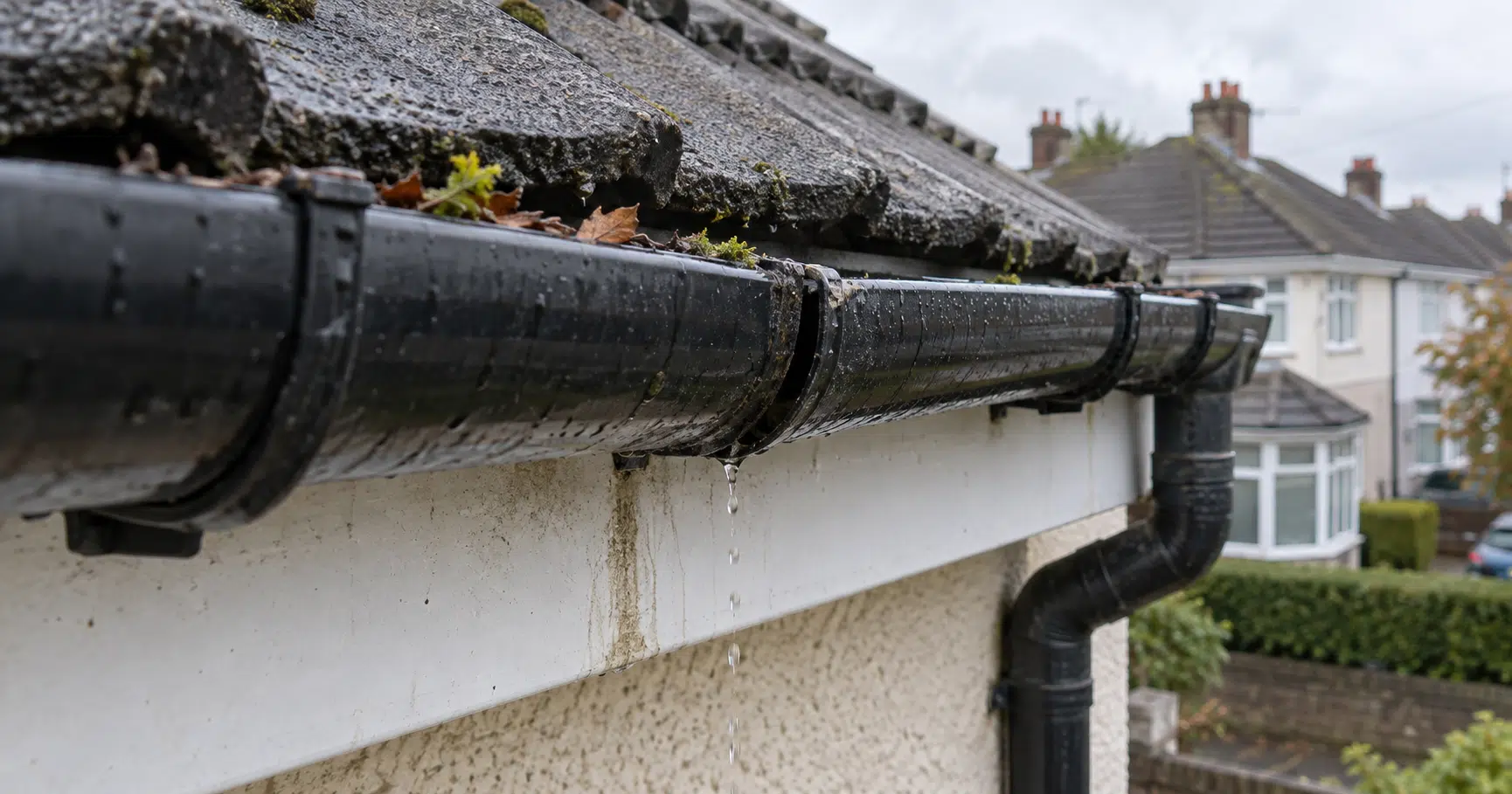
The fascia is that vertical board you see running along the edge of your roof, right where the roof meets the walls. It's essentially the face of your roofing system, hence the name 'fascia'. Its main job is to act as a barrier, protecting the roof timbers from the weather. It also provides a fixing point for the guttering, which is pretty important for directing rainwater away from your house. Without a solid fascia, your roof would be vulnerable to water damage, and your gutters would have nowhere to attach. It's a simple piece of kit, but it does a crucial job.
- Supports the guttering system.
- Protects the roof timbers from rain and wind.
- Provides a neat, finished look to the roof edge.
A well-maintained fascia is your first line of defence against the elements. Ignoring it can lead to costly repairs down the line.
The Role of Soffits
The soffit is tucked away underneath the fascia, bridging the gap between the wall and the roof edge. It's the bit you see when you stand close to the house and look up at the eaves. Soffits are all about ventilation. They usually have small holes or vents that allow air to circulate into the roof space. This airflow helps to prevent condensation and damp, which can lead to rot and other problems. A good soffit helps to keep your attic dry and well-ventilated, which is essential for the health of your home.
- Provides ventilation to the roof space.
- Prevents moisture build-up and rot.
- Keeps pests out of the attic.
Signs You Need New Fascias and Soffits
It's easy to overlook your fascias and soffits, but ignoring them can lead to bigger problems down the line. Knowing what to look for can save you a lot of hassle and expense. So, what are the tell-tale signs that it's time for a replacement?
Visible Damage and Deterioration
One of the most obvious signs is visible damage. Keep an eye out for peeling or flaking paint, as this often indicates that the material underneath is starting to deteriorate. You might also notice:
- Cracks or splits in the fascia boards.
- Rotting wood, which can appear soft or crumbly.
- Sagging sections, which suggest structural weakness.
If you spot any of these, it's a good idea to get them checked out sooner rather than later. Ignoring these issues can lead to more extensive damage and costly repairs. Regular checks can help you spot problems early. For example, you can check for water stains on rafters.
Water Damage and Leaks
Water is a major enemy of fascias and soffits. If they're not doing their job properly, you might see signs of water damage, such as:
- Water stains on the exterior walls.
- Damp patches on the soffits themselves.
- Leaks in the attic or around the eaves.
Water damage can quickly escalate, leading to rot, mould growth, and structural problems. Addressing leaks promptly is crucial to prevent further deterioration and maintain the integrity of your home.
Pest Infestations
Damaged fascias and soffits can create easy access points for pests. If you notice any of the following, it could be a sign that critters have moved in:
- Birds nesting in the eaves.
- Squirrels or rodents entering the attic.
- Insect activity around the fascias and soffits.
Pests can cause significant damage to your home, so it's important to seal any potential entry points. Replacing damaged fascias and soffits is a good way to keep unwanted guests out and protect your property.
Benefits of Installing New Fascias and Soffits
Enhanced Curb Appeal
Let's be honest, nobody wants a house that looks like it's falling apart. New fascias and soffits can dramatically improve the look of your home. Think of it as a fresh haircut for your house – it just makes everything look neater and more put-together. A clean, modern roofline can significantly boost your home's curb appeal, making it more attractive to potential buyers (or just making you feel better about coming home every day!). If you're planning on selling, this is a relatively inexpensive way to make a big impact. Plus, with options like uPVC fascia installation, you can choose colours and styles that perfectly complement your home's existing aesthetic.
Improved Home Protection
Fascias and soffits aren't just for show; they play a vital role in protecting your home from the elements. Old, damaged fascias and soffits can leave your home vulnerable to water damage, pest infestations, and other problems. By investing in new, high-quality materials, you're essentially adding an extra layer of defence. This is especially important in the UK, where we get our fair share of rain and wind. Think of it as an investment in the long-term health of your home. Regular roof edge renovation can prevent costly repairs down the line.
- Protection from water damage
- Prevention of pest infestations
- Improved ventilation
Replacing your fascias and soffits is more than just a cosmetic upgrade; it's about safeguarding your property from potential damage. By ensuring these components are in good condition, you're actively preventing issues like rot, damp, and structural problems that can be expensive to fix.
Increased Property Value
While it's hard to put an exact number on it, upgrading your fascias and soffits can definitely increase your property value. Potential buyers are always looking for homes that are well-maintained and require minimal work. By showing that you've taken care of important details like the roofline, you're sending a message that the rest of the house is probably in good shape too. Plus, a modern, well-maintained exterior simply looks more appealing, which can translate into a higher selling price. Don't underestimate the impact of a good first impression! Consider the soffit replacement cost as an investment, not an expense. It's all part of a comprehensive plan to replace roofline components and upgrade fascia boards.
Choosing the Right Materials and Professionals
Choosing the Right Materials
Selecting the correct materials for your fascia and soffits is a big decision. It's not just about looks; it's about how well they'll protect your home from the elements. You've got a few options, each with its own pros and cons.
- Vinyl: A popular choice because it's cheap, easy to look after, and doesn't rot. It's also resistant to termites, which is a bonus.
- Aluminium: Known for being strong and lightweight. It won't rust, making it good for wet climates. It's a good option if you want something that lasts and doesn't need much work.
- Wood: Gives a classic, natural look. But it needs more upkeep to stop it from rotting. You can paint or stain it to match your house, but you'll need to treat it regularly.
- Composite: These are becoming more popular. They mix wood fibres with synthetic stuff, so you get the look of wood without all the maintenance.
Think about the weather in your area, your budget, and how much time you want to spend on maintenance. Cheaper materials might seem good at first, but they can end up costing you more in the long run if they don't last.
Choosing the Right Professionals
Getting the right people to fit your fascia and soffits is just as important as picking the right materials. You don't want someone who's going to cut corners or do a bad job. Make sure you choose experienced professionals who offer guarantees and warranties for their work.
Here's what to look for:
- Experience: How long have they been doing this? Do they have a good reputation?
- Qualifications: Are they properly qualified and insured?
- References: Can they give you references from happy customers?
It might cost a bit more to get a good team, but it's worth it for the peace of mind. You want to know the job's done right and that your home is protected.
Picking the right stuff and the best people for your project is super important. It makes sure the job gets done well and lasts a long time. Don't just pick the cheapest option; think about quality and skill. If you need help finding top-notch services, check out our website. We've got loads of info to guide you.
Wrapping Things Up: Your Home's Best Defence
So, there you have it. Fascia and soffit might not be the flashiest parts of your house, but they're doing some serious heavy lifting. They keep the rain out, stop critters from moving in, and generally make sure your roof stays put. Ignoring them is a bit like ignoring a leaky tap – it'll only get worse and cost you more down the line. A bit of attention now, maybe a quick upgrade, and you'll be saving yourself a load of bother (and cash) in the future. It's all about keeping your home happy and healthy, and these bits are a big part of that.
Frequently Asked Questions
What exactly are fascias?
Fascias are the long, straight boards that run along the bottom edge of your roof, right where the gutters attach. They cover the ends of your roof rafters, protecting them from weather and giving your home a neat, finished look. Think of them as the 'forehead' of your roof.
And what about soffits?
Soffits are found underneath the fascias. If you stand directly under your roof's overhang and look up, you'll see the soffit. Its main job is to help air flow into your attic, which stops moisture from building up and keeps your roof timbers healthy. It's like the 'underbelly' of your roof's edge.
How can I tell if my fascias and soffits need replacing?
You should look out for flaking paint, damp patches or water stains on your walls near the roof, or if you spot any little creatures like birds or mice getting into your attic. Also, if the boards look droopy or saggy, it's a clear sign something's wrong.
What are the benefits of getting new fascias and soffits?
Replacing them makes your home look much smarter and tidier from the outside. More importantly, new fascias and soffits protect your roof and house from damp, rot, and pests. They also help your attic breathe properly, which can stop bigger problems down the line.
What materials are best for fascias and soffits?
There are a few options, but uPVC is very popular because it's tough, doesn't need much looking after, and won't rot. Other choices include wood, which looks traditional but needs more upkeep, and aluminium, which is strong and light. Your choice often depends on your budget and the style of your home.
How do I choose a good company to install them?
It's always best to get a few quotes from local, trusted companies. Look for those with good reviews and who offer guarantees on their work. Make sure they clearly explain what they'll do and what materials they'll use. Don't be afraid to ask lots of questions!