
- Sean W
- Expert Guidance
- 09th June 2025
10 Shocking Roof Repair Mistakes Dublin Homeowners Make – Are You Guilty?
Dublin roof in trouble? Discover the 10 worst roof repair mistakes, how to avoid them, and when to call expert roofing contractors Dublin homeowners trust.

Introduction
Wet Atlantic fronts, swirling winds off Dublin Bay, and decades-old slate or tile—your roof takes an Irish beating year-round. But a lot of people still grab the ladder without a strategy, which leads to costs that are too high to pay. Here are the five most alarming mistakes people make when fixing their roofs , along with easy, step-by-step solutions. If you see yourself in any of these, don’t worry; a quick change of course (or a talk with a reputable emergency roof repair Dublin expert) can save your home and your money.
Mistake 1: Not paying attention to the little leak that “always dries up.”
That stain on the ceiling of the landing that looks like a tea cup? It’s notifying you that water is getting through felt or flashing every time it rains sideways, which happens a lot in Dublin. Many owners think the wet spot is safe because it dries between showers. In truth, moisture is slowly breaking down plasterboard, decaying battens, and making the perfect environment for dangerous mold.
Tip: As soon as you see a stain, use a roof inspection checklist to look at the valleys, chimney flashings, and any patchwork that has already been done. If you catch the breach early, it will cost a few euros. If you wait, you might have to replace the whole underlay.
Mistake 2: Power-washing slates or tiles
High-pressure washers take off the granular coatings from concrete tiles and blast the soft edges off the ancient Bangor Blues. They also push water up under the laps, which soaks the membrane. The “like-new” color you notice later is usually because the surface finish is lacking. This means your roof will age twice as rapidly.
A safer option is to hire cleaners who follow the NFRC‘s (National Federation of Roofing Contractors) best practices for slate roof maintenance. They will use a stiff brush, a biodegradable moss killer, and a low-pressure rinse.
Mistake 3: Putting the wrong tiles in place
It seems smart to go to a DIY store to get the “closest” concrete tile, but when winter winds blow it away, it won’t be. Different manufacturers can be off by as little as 5 mm, which is enough to break the bond. If the wind gets under one tile, the other tiles can peel off like a deck of cards.
What you should do: Take a picture of the stamped code on the back of a tile you already have and order the exact match or salvaged stock. When choosing slates, take attention to how thick they are and where the nail holes are.
Mistake 4: Nailing Through Lead Flashing
Lead works because it expands and contracts slowly when the temperature changes. Putting stiff nails through the middle of a flashing locks it in place. The next time it is hot and cold, it tears like paper and water streams behind the chimney stack.
The right repair is to use lead clips or pursuit wedges and put a little bead of low-modulus roofing silicone inside the junction. If you’re not sure, call roofing contractors Dublin who have Safe-Pass accreditation. They will replace it to ISO 1512 requirements.
Mistake 5: Not overlapping the underlay
A modern breathable membrane needs at least 100 mm of horizontal and 150 mm of vertical lap. People who do it themselves typically butt edges or overlap by an inch, thinking that the tiles will do the rest. Rain that is pushed by the wind can move through small seams, especially along the coast of Dublin.
Quick check: From the attic, see whether you can see daylight strips or feel for drafts at the seams. If you’re re-felting, make sure to follow the manufacturer’s lap chart exactly. Different membrane weights have different standards.
Mistake 6: Putting Too Much Roofing Cement on
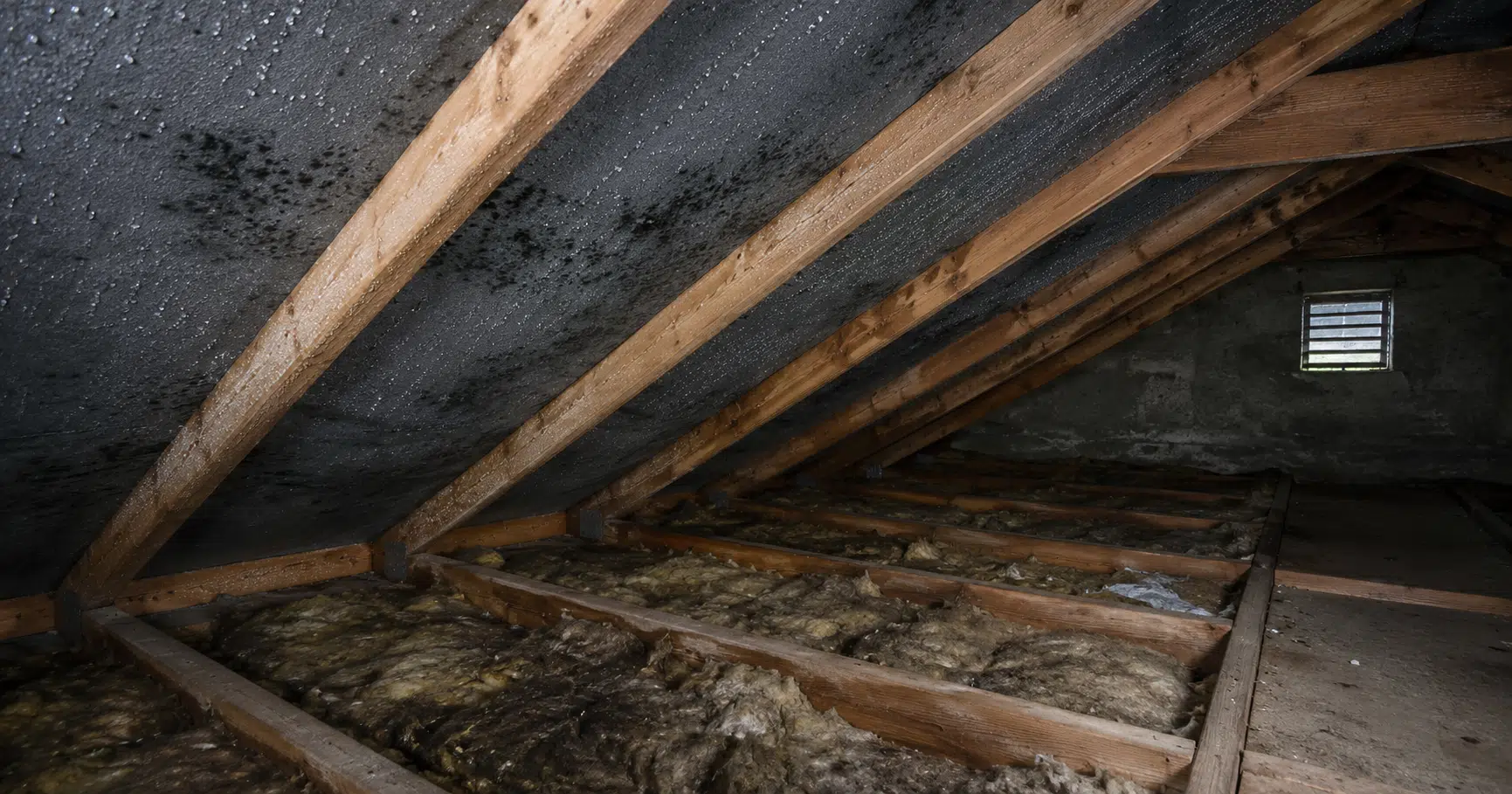
Black goo feels good, but putting it thick under ridge tiles inhibits the routes that were made for air to flow, trapping warm, moist air. By Christmas, there will be condensation drops in the rafters and moldy insulation.
A better way: Set up mechanical ridge fixings or a dry-ridge system that holds the ridges in place while letting the roof breathe. These are now standard in most new projects in Ireland.
Mistake 7: Walking on Parts That Are Easy to Break
It’s a classic to climb up on the hip line or dormer cheeks to change a TV aerial. A 20-year-old fiber-cement slate can break right away if you put weight on it, sending shards and you tumbling. Damage caused by unauthorized access is rarely covered by insurance.
To stay safe, put crawl boards on battens or hire professionals with roof-ladder hooks. A broken tile could cost €5, but a broken femur could cost a lot more.
Mistake 8: Not remembering the gutters
When gutters overflow, they saturate the fascia, which draws water up beneath the first course of slates. We often have to replace rotten rafter tails because moss blocked an uPVC gutter that was otherwise fine.
Every fall after the final leaf falls and again in early spring, remember to clean your gutters. If there are tall, mature sycamores nearby, put leaf guards on.
Mistake 9: Using asphalt felt to fix things in the valley yourself
Valleys on pitched roofs hold the most water. Using 3 mm torch-on felt to patch might work for a season, but UV light breaks it down quickly. The only long-lasting options are pre-formed GRP troughs or welded lead (Code 4 or higher).
If your home still has old bitumen valley lining and you’ve seen shingle grit in the drains, it’s time to get a valley replacement before the next heavy rain in Dublin turns your roof into an emergency.
Mistake 10: Not Getting a Start Notice
If you replace more than 25% of your roof’s surface, you have to follow Irish Building Regulations, and your home insurance company expects you to do so. Not filling out the documentation could make claims void following damage from a fire or storm.
How to follow the rules: For big jobs, you need to file a start notice on the BCMS portal. When the job is done, ask your roofer for a completion certificate.
How to Stay Away from These Mistakes
Set up yearly inspections: A skilled roofing contractor will inspect over the roof for 30 minutes. Dublin is cheaper than a family meal and finds small problems before they get bigger.
Keep a diary of repairs: dates, pictures, and materials used. When you sell, you’ll love paperwork as much as insurers do.
Use high-quality fasteners: Stainless steel or copper nails endure longer than galvanized nails in saline coastal air, which is important from Malahide to Dún Laoghaire.
Make sure there is enough airflow: Use eaves vents and dry-ridge or tile vents together to meet the 10 mm continuous airflow criterion.
Set aside money for professional help: Even people who are good at doing things themselves call in professionals for chimney flashings, valleys, or high pitches. During Irish storm season, peace of mind is worth its weight in gold.
Questions and Answers (FAQ)
Q1. How often should you check the roofing in Dublin?
At least once a year, and after any designated storm. A roof inspection checklist is helpful for older slate roofs every spring and fall.
Q2. Do these mistakes include flat roofs?
Of course. Flat felt and EPDM roofs also suffer from too much cement, poorly placed underlay, and gutters that aren’t cleaned.
Q3. How much does it usually cost to fix a roof in Dublin?
Replacing a few slates costs about €150, while re-lining a valley or doing lead work can cost between €1,200 and €2,000. Always ask 2–3 RECI-registered companies for quotations.
Q4. Does home insurance cover faults you make when you do things yourself?
Most policies don’t cover harm caused by attempts to fix things that aren’t qualified. To keep safe, hire certified roof repair contractors in Dublin.
Q5. What can you do in an emergency to halt a leak before help arrives?
Put a bucket under the bulging ceiling plaster and poke a small hole in it to let the pressure out. Then, until your roofer gets there, cover the area with a tarp.
Final Call to Action
Have you noticed any of these issues on your own roof? Don’t wait for the next storm.. We offer free, no-obligation inspections throughout Dublin, Kildare, and Meath with a crew that is Safe-Pass-certified. You may book online in just 60 seconds, get a photo report within 24 hours, and get repairs that come with a 10-year guarantee.
Our Recent Blog Posts
Chimney Flashing Repair Dublin |…
How Often Should You Replace…
Why Is My Roof Leaking?…
How to Get Rid of…
Attic Condensation in Irish Homes:…
EPDM vs Felt vs Fibreglass:…
Professional Roofing Services We Won't Be Beaten on Price!
Get in touch with us today, and experience working with some of the best in the industry! Backed by a 100% customer satisfaction guarantee, we won’t be beaten on price or quality of service.