Key Takeaways
- Regular inspections can catch problems early, saving you money and hassle.
- Keeping gutters clean prevents water damage and helps your roof last longer.
- Moss and mould aren’t just unsightly—they can damage your roof if not dealt with.
- Damaged shingles or tiles should be repaired quickly to avoid bigger issues.
- Proper ventilation is crucial for preventing moisture build-up and improving energy efficiency.
Regular Roof Inspections: A Key to Longevity
Identifying Early Signs of Damage
Regular roof inspections are essential to catch problems before they escalate. Spotting issues early can save you a lot of money and hassle. Look for signs like missing shingles, sagging areas, or debris build-up. Don’t forget to check your gutters for granules, which could mean your shingles are wearing out. Inside your home, keep an eye out for water stains on ceilings or walls, as these might indicate a leak.
Scheduling Bi-Annual Inspections
To keep your roof in top shape, schedule inspections twice a year—once in the spring and once in the autumn. This timing helps you catch damage from harsh weather conditions, whether it’s the winter snow or summer storms. Regular inspections help ensure your roof remains in good condition, extending its lifespan and preventing unexpected repairs.
Professional vs. DIY Inspections
While you might be tempted to inspect your roof yourself, hiring a professional can be worth it. Pros have the expertise to spot hidden issues that you might miss. They know what to look for and can recommend necessary repairs. However, if you’re doing it yourself, make sure to follow safety precautions like using a sturdy ladder and wearing slip-resistant shoes. Remember, some problems are best left to the experts.
Gutter Maintenance: Preventing Water Damage
Clearing Debris and Leaves
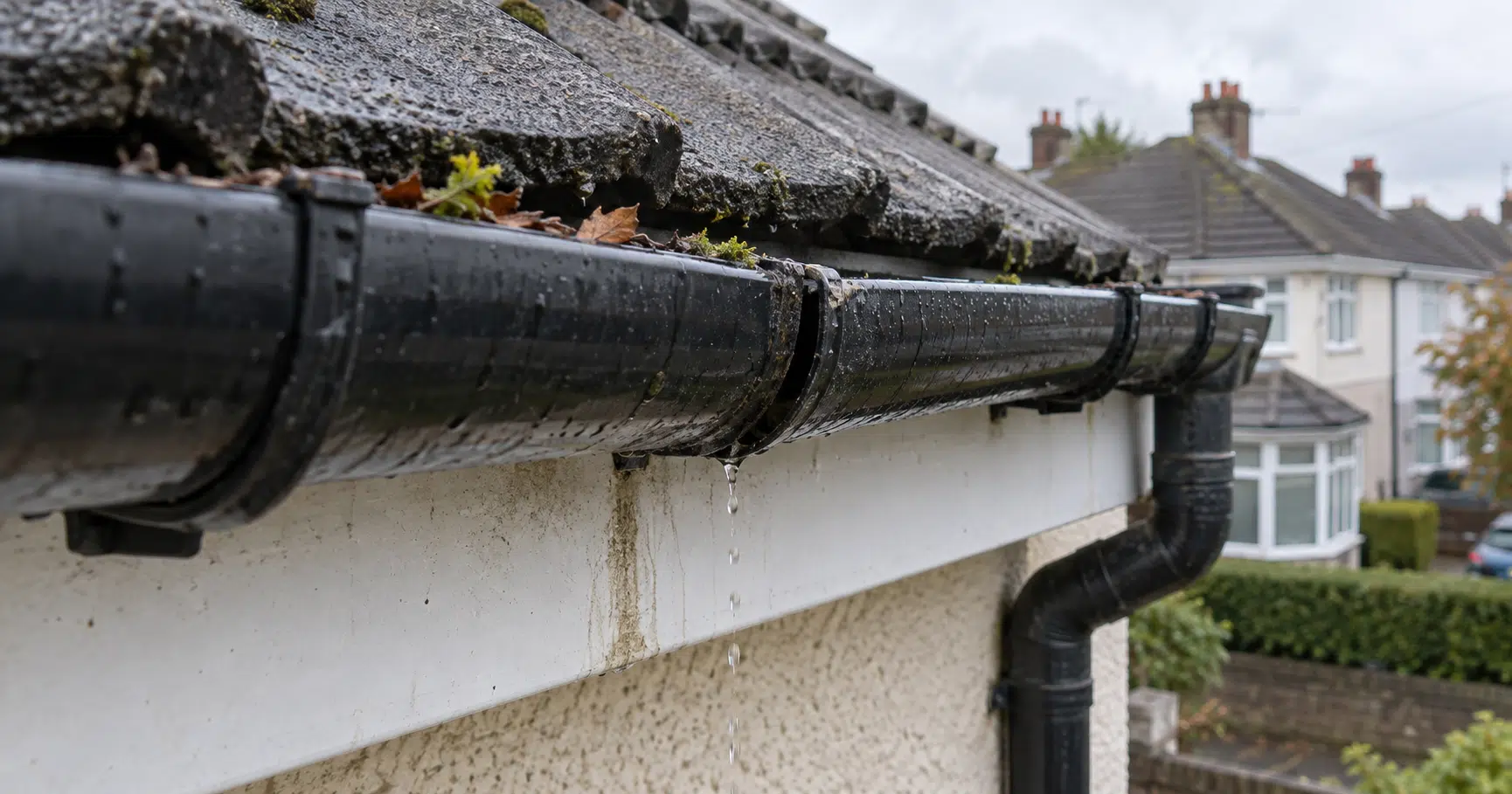
Keeping your gutters clear of debris is a task that might seem small but has a big impact on your home’s health. When gutters are clogged with leaves, twigs, or even bird nests, water can’t flow properly. This can lead to water spilling over the sides, potentially causing damage to your walls and foundation. Regular gutter cleaning is essential for preventing water damage and ensuring proper drainage in Dublin homes. It’s a good idea to clean your gutters at least twice a year, but if you have a lot of trees nearby, you might need to do it more often.
Checking for Leaks and Rust
Gutters are not just about moving water; they need to be in good shape to do their job right. Look for any signs of rust or leaks. Rust can eat away at the metal, leading to holes and more significant problems down the line. If you spot any leaks, it’s time to patch them up before they turn into something more severe. A simple way to check for leaks is to run water through the gutters and watch for any drips underneath.
Importance of Proper Drainage
Proper drainage is crucial for keeping your home safe from water damage. If water isn’t draining correctly, it can pool around your foundation, leading to serious structural issues over time. Make sure your downspouts are directing water at least three feet away from your home. You might even consider using extensions if necessary to ensure water flows away easily. Keeping everything in good working order will save you a lot of trouble and expense in the long run.
Ensuring your gutters are in top shape isn’t just about avoiding immediate issues—it’s about protecting your home for the future. A little effort now can prevent a lot of hassle later on.
Dealing with Moss and Mould: Keeping Your Roof Clean
Identifying Problem Areas
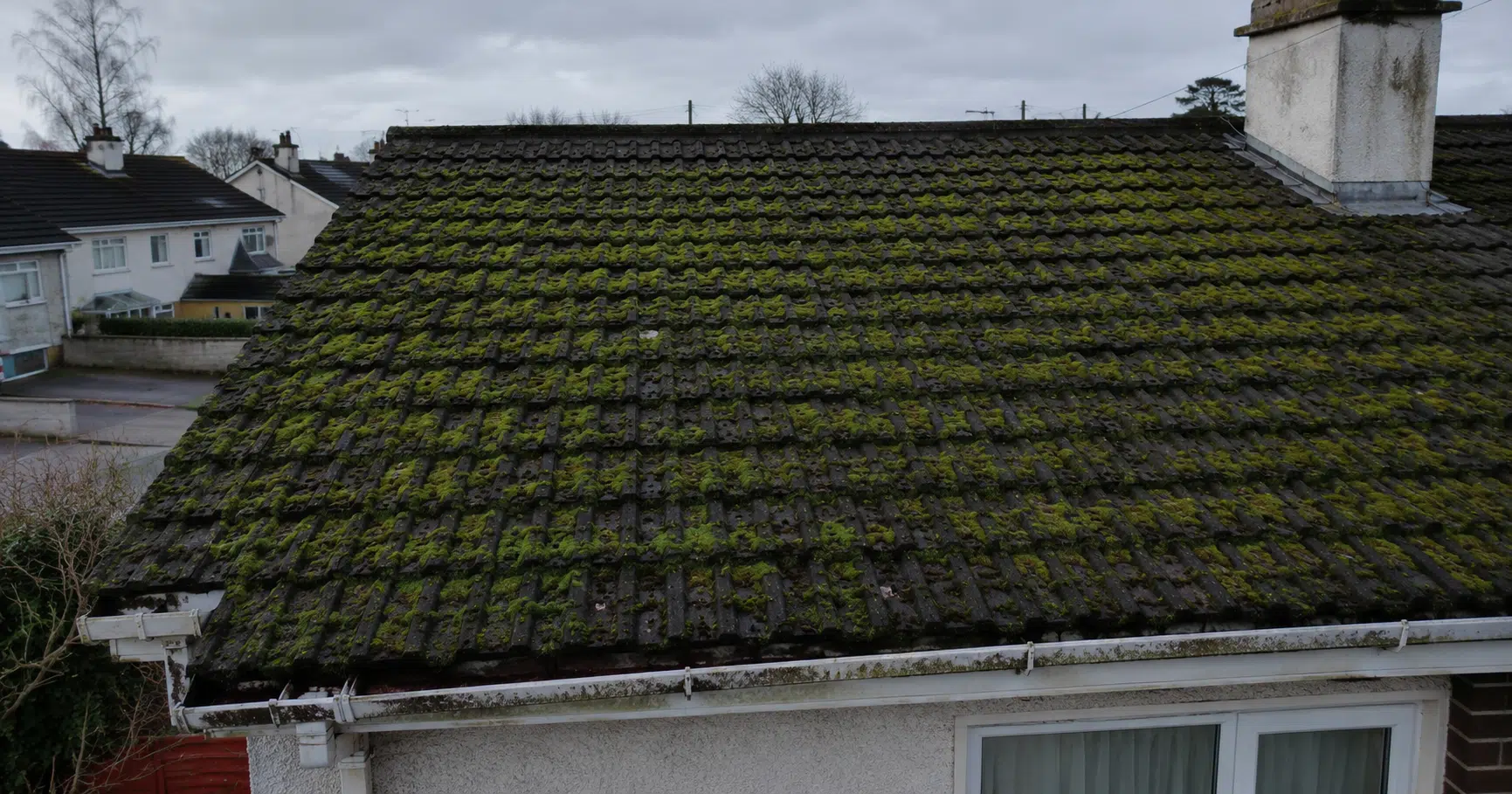
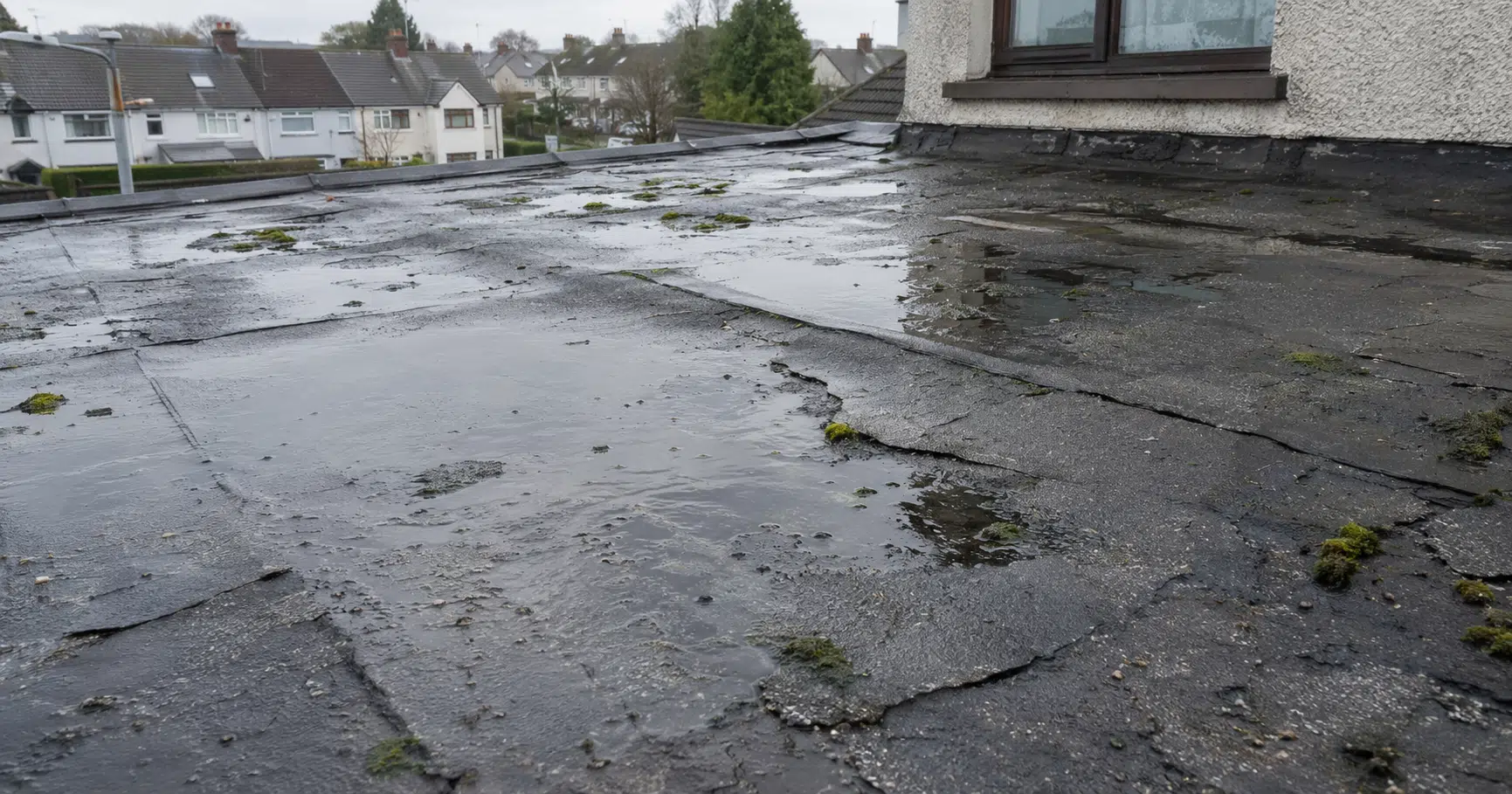
Moss and mould love to settle in areas where the sun doesn’t shine much, like the north side of your roof or spots shaded by trees. Keep an eye out for any green or black patches. These aren’t just unsightly—they can loosen your tiles and let water seep through. Finding these trouble spots early can save you a lot of hassle.
Safe Removal Techniques
Once you’ve spotted moss or mould, it’s time to get rid of it. You can softwash your roof using a gentle cleaning solution. Start by scraping off the moss with a proper scraper, then apply a diluted biofilm treatment. Be careful, though; you don’t want to damage your tiles. If you’re not comfortable doing this yourself, think about hiring a pro.
Preventative Measures Against Regrowth
After cleaning, consider putting down some zinc strips near the roof’s peak. They can help stop moss and mould from coming back. Also, trim any tree branches hanging over your roof to let more sunlight in. Regular checks and cleaning, especially after the rainy season, can keep your roof in tip-top shape.
Repairing Damaged Shingles and Tiles
Spotting Cracks and Breaks
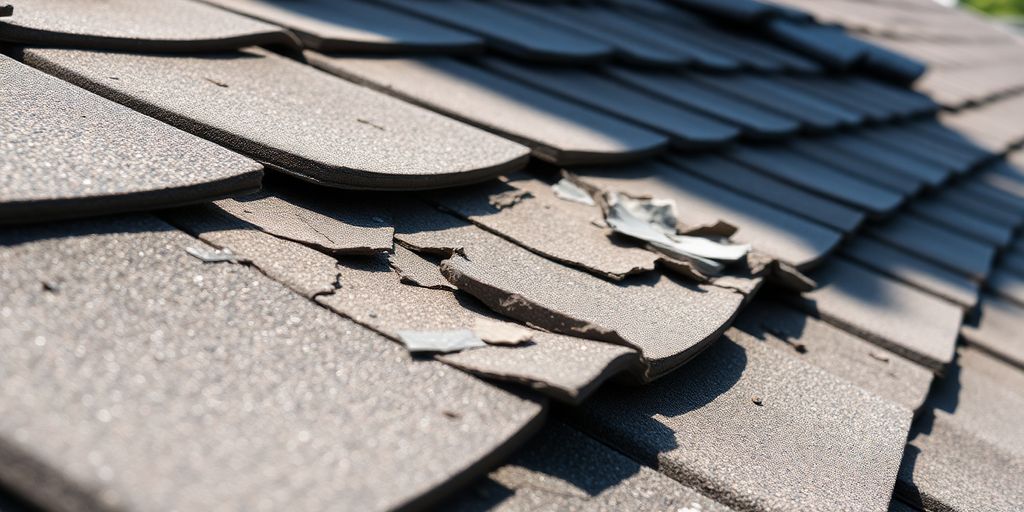
Keeping an eye on your roof is a must if you want to catch any issues early. Damaged shingles and tiles can lead to leaks and other problems if not addressed. Look for obvious signs like cracks, breaks, or missing pieces. You might notice these from the ground, but sometimes, you’ll need to get up close. If you’re comfortable, use a ladder to inspect your roof safely. If not, consider hiring a professional to take a look.
DIY Repair Tips
Feeling handy? You can tackle some minor repairs yourself. Here’s a quick rundown:
- Gather Your Tools: You’ll need a hammer, roofing nails, a pry bar, and replacement shingles or tiles.
- Remove the Damaged Piece: Carefully lift the surrounding shingles to remove nails and slide out the broken shingle or tile.
- Install the New Piece: Place the new shingle or tile in position, ensuring it aligns with the others. Secure it with nails, placing one in each corner.
For torn shingles, you might try applying roofing sealant beneath the tear and pressing it down. This can be a quick fix until you can replace it entirely.
When to Call a Professional
Sometimes, the damage is just too much for a DIY fix. If you’re dealing with large areas of damage, multiple leaks, or if you’re just not comfortable getting up on your roof, it’s time to call in the pros. They have the tools and expertise to handle bigger jobs safely and effectively.
Don’t wait too long to fix damaged shingles or tiles. The longer you let it go, the more likely you’ll face bigger problems down the line. Getting repairs done promptly can save you a lot of hassle and money.
The Importance of Flashing and Sealant Checks
Inspecting Chimney and Skylight Flashing
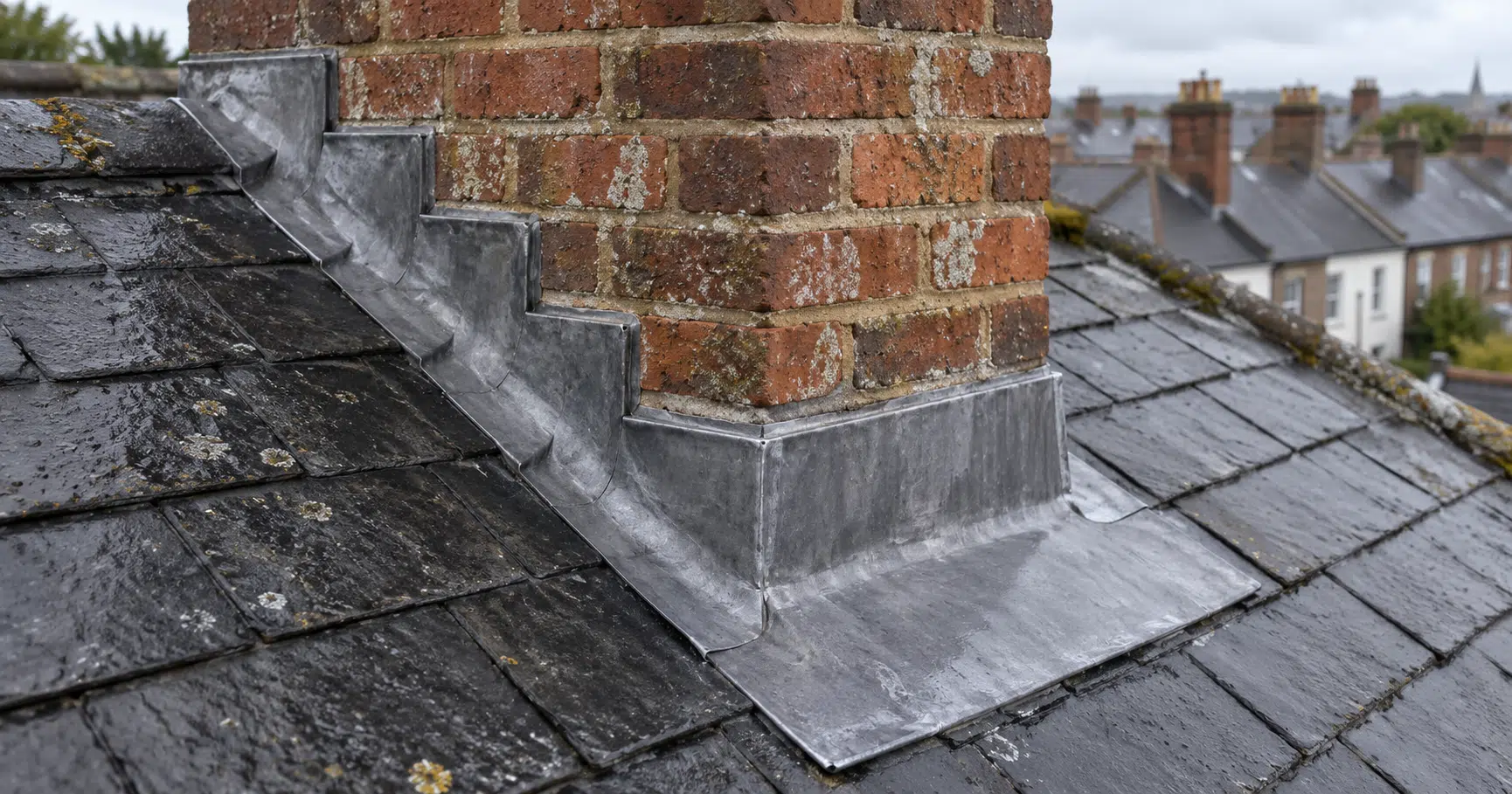
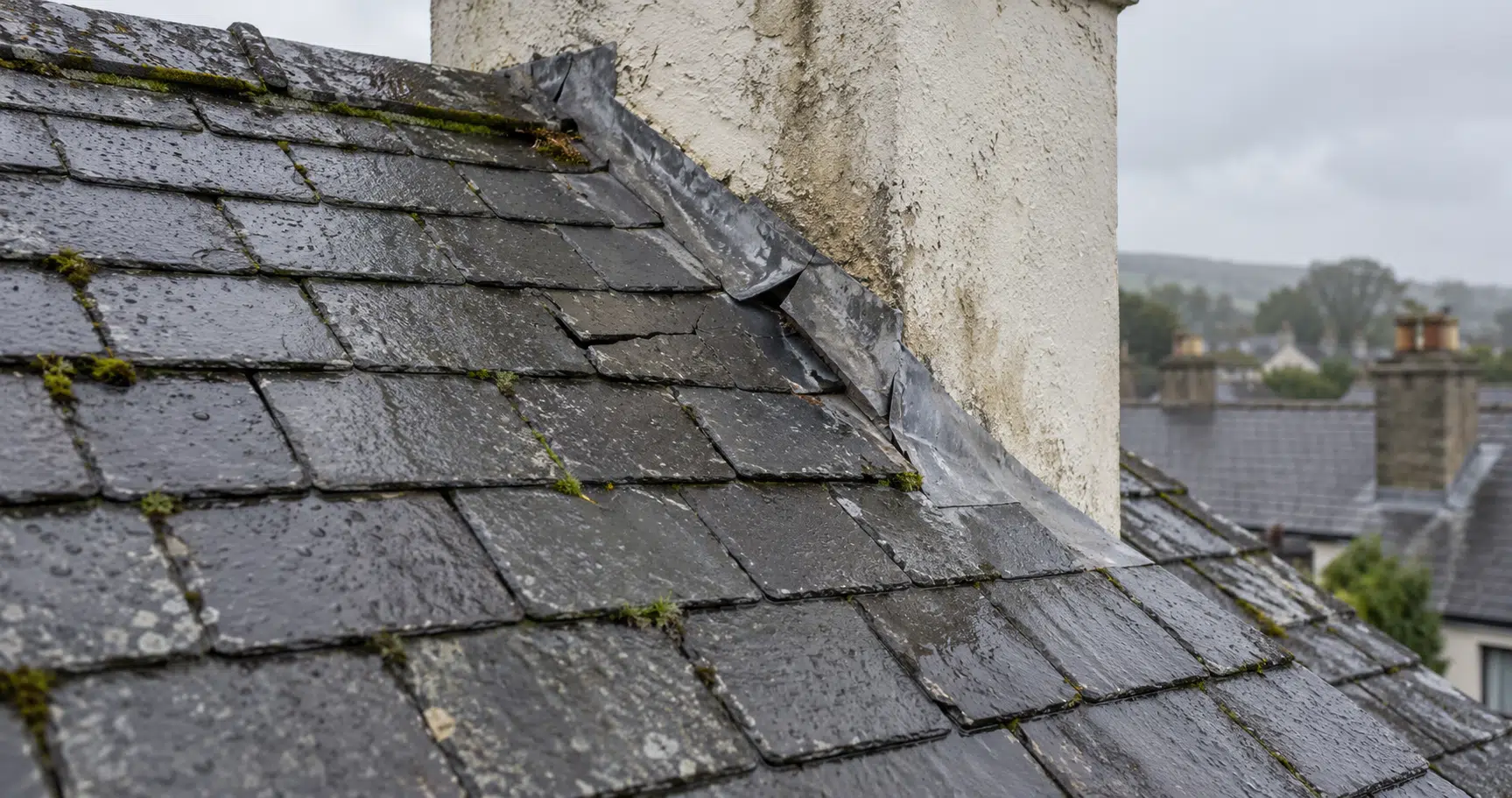
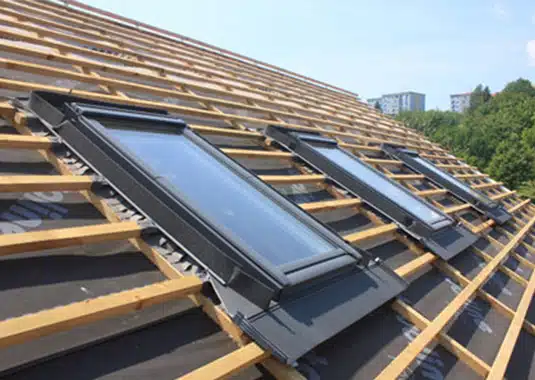
Flashing is that thin metal strip you see around chimneys, skylights, and other roof joints. It’s like the unsung hero that keeps water from sneaking into your house. But it doesn’t last forever. Over time, flashing can crack or come loose, especially after a rough storm. So, make it a habit to check these areas. Look for signs of rust, gaps, or any loose sections. If you spot anything off, it’s time to fix it up or call in a pro to get it sorted.
Replacing Worn Sealants
Think of sealants as the glue that holds everything together on your roof. They fill in the gaps where water might try to sneak through. Over time, these sealants can wear out, crack, or peel away, leaving your roof vulnerable. Regularly check around vents, chimneys, and other roof openings to make sure the sealant is still doing its job. If you see any cracks or gaps, don’t wait. Grab some roof sealant from your local hardware store, or if you’re not feeling up to it, call someone who knows what they’re doing.
Preventing Water Infiltration
Water’s sneaky. Once it finds a way in, it can cause all sorts of trouble, from leaks to mould. That’s why keeping your flashing and sealants in top shape is crucial. Here’s a quick checklist to keep water out:
- Regular Inspections: Check your roof at least twice a year, and especially after heavy storms.
- Professional Help: If you’re unsure, don’t hesitate to bring in a professional. They can spot issues you might miss.
- Timely Repairs: Don’t put off repairs. A small fix now can save you from a big headache later.
Keeping an eye on flashing and sealants isn’t just about avoiding leaks—it’s about ensuring your roof lasts as long as possible. Small efforts now mean fewer repairs down the line, saving you time and money.
And remember, regular roof inspections and maintenance are key to catching these issues before they become big problems. Don’t wait until you have a leak to start caring about your roof.
Preparing Your Roof for Seasonal Changes
When it comes to keeping your home safe and dry, getting your roof ready for the changing seasons is a must. Each season brings its own set of challenges, and a little preparation can go a long way. Let’s break down what you need to do to keep your roof in top shape year-round.
Winterising Your Roof
Winter can be tough on roofs. Snow and ice can pile up, adding extra weight and potentially causing damage. Before the cold really sets in, make sure you clear out any debris from gutters and downspouts. This helps prevent ice dams, which can lead to leaks. Also, consider hiring a professional to conduct a thorough inspection of your roof. They’ll check for damage like cracked or missing shingles and loose flashing. Fixing these issues before winter can save you a lot of trouble.
Summer Maintenance Tips
Summer is the perfect time to give your roof some attention. The weather is generally dry, making it easier to spot any issues. Start by cleaning your gutters and downpipes to ensure water flows freely. Check for any cracked or missing tiles, especially after a storm. It’s also a good time to look for mould or mildew, which can be easier to spot in the bright summer light.
Handling Storm Damage
Storms can wreak havoc on your roof, so it’s important to check for damage as soon as it’s safe to do so. Look for missing or broken shingles, and keep an eye out for leaks. If you notice any issues, it’s best to get them fixed as soon as possible to avoid more serious problems later on. Sometimes, a temporary fix can hold you over until a professional can take a look.
Keeping your roof in good condition throughout the year doesn’t have to be a daunting task. By taking a few simple steps each season, you can help ensure your roof stays leak-free and your home stays cosy.
Addressing Roof Leaks Promptly
Identifying Leak Sources
Spotting the source of a roof leak can be tricky. Often, the first sign is a water stain on your ceiling, but finding the exact location on the roof is another story. You might need binoculars to check for missing or damaged shingles, or look for cracked caulking around chimneys and vents. Sometimes, leaks aren’t from the roof at all but from walls or windows. Don’t ignore these signs; they can lead to bigger problems if left unchecked.
Temporary Fixes vs. Permanent Solutions
When you discover a leak, your first move is damage control. Place a bucket under the leak and use towels to soak up any splashes. For a quick fix, you might try applying a roof seal liquid membrane over the affected area, but remember, this is just a stopgap. Permanent repairs often mean replacing damaged shingles or flashing and might require professional help.
Impact of Delayed Repairs
Ignoring a roof leak is a recipe for disaster. What starts as a small drip can lead to mould, structural damage, and even ruin your furniture. If water seeps into wooden frames, it can cause rot, leading to costly repairs. It’s crucial to address leaks promptly to avoid these headaches.
Quick action on roof leaks doesn’t just save you money—it preserves your peace of mind. Don’t let a small problem become a big one.
The Role of Ventilation in Roof Health
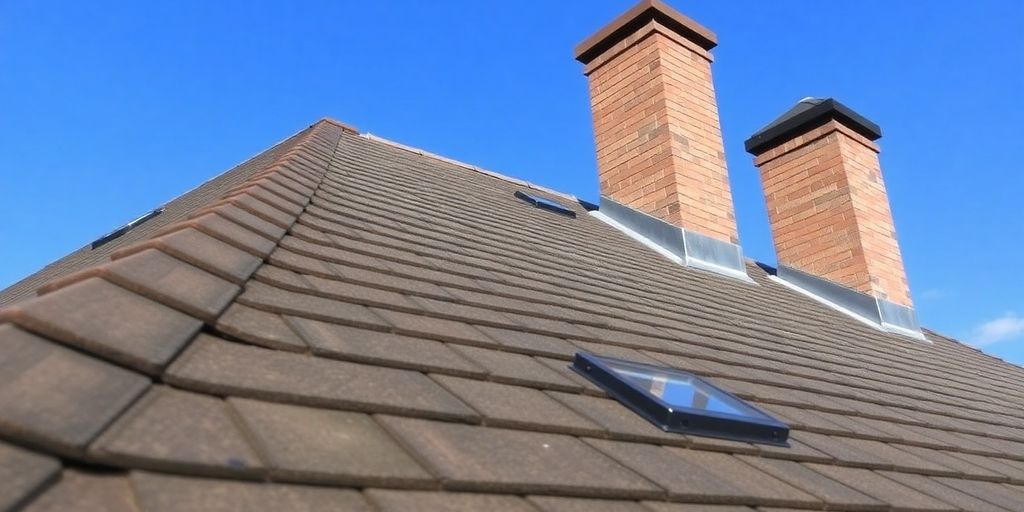
Ensuring Proper Airflow
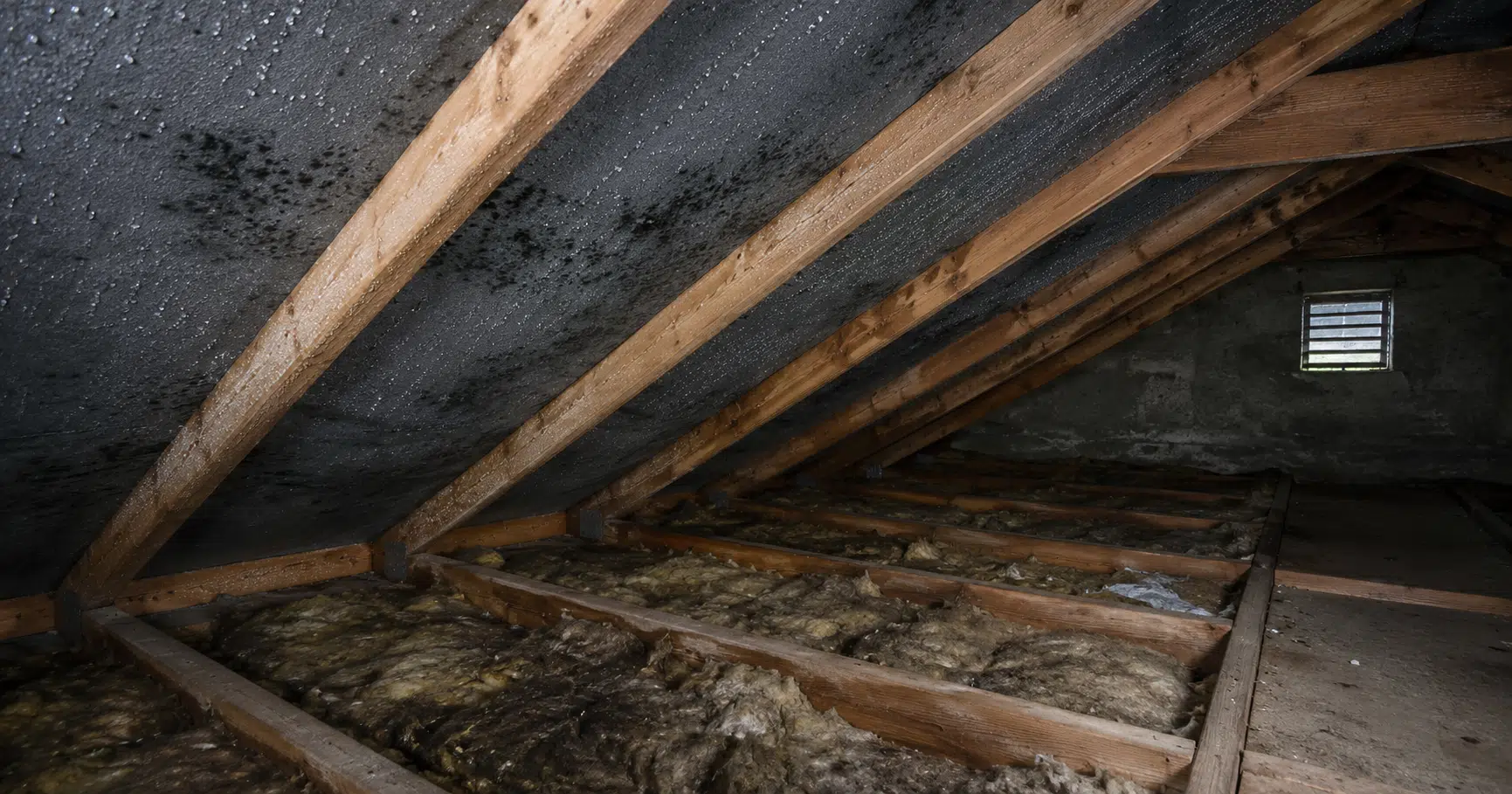
Proper ventilation in your roof is like the lungs of your home. Without it, your roof can’t “breathe,” leading to a host of problems. Without good airflow, heat and moisture can build up, causing damage to the roof structure. This can lead to mould, mildew, and even rot. Ensuring that your roof has adequate ventilation will help maintain its health and extend its lifespan.
- Check attic vents regularly to ensure they are not blocked.
- Consider installing ridge vents or soffit vents if your roof lacks proper ventilation.
- Regularly inspect and maintain existing ventilation systems to ensure they function correctly.
Impact on Energy Efficiency
A well-ventilated roof doesn’t just protect the structure; it also plays a significant role in your home’s energy efficiency. When heat gets trapped in the attic, it can cause your air conditioning to work overtime, leading to higher energy bills. Proper ventilation allows hot air to escape, reducing the cooling load on your HVAC system.
- Ensure vents are installed properly to allow maximum airflow.
- Insulation should complement ventilation to keep energy costs down.
- Regular checks can identify issues before they become costly problems.
Preventing Moisture Build-Up
Moisture is a silent enemy of roofs. It sneaks in through tiny gaps and can cause big problems if not addressed. Proper ventilation helps prevent moisture build-up by allowing air to circulate and dry out any dampness that might occur.
Keeping your roof ventilated is key to avoiding moisture-related issues. Moisture can lead to mould and mildew, which not only damage your roof but also impact indoor air quality.
By maintaining proper ventilation in roof spaces, you can prevent water vapour from accumulating, which often enters through gaps in ceilings like attic hatches or pipes. This simple step can save you from costly repairs and help keep your home comfortable year-round.
Conclusion
Keeping your roof in good shape is like giving your home a little extra love. It’s not just about avoiding leaks or damage; it’s about peace of mind, knowing your place is safe and sound. Regular checks and maintenance can save you a lot of hassle and money down the road. So, whether it’s cleaning out those gutters or checking for loose tiles, a bit of effort now can make a big difference later. Remember, a well-maintained roof means a happy home. So, grab that ladder, or call in the pros, and keep your Dublin property leak-free all year round.
Frequently Asked Questions
How often should I check my roof for problems?
It’s a good idea to look over your roof at least twice a year, especially before and after winter. This helps catch any issues early.
What should I do if I find a leak in my roof?
If you spot a leak, move anything that could get damaged and try to contain the water. Then, call a roofing expert to fix it as soon as possible.
Can I clean my roof gutters myself?
Yes, you can clean your gutters. Make sure they’re free from leaves and debris so water can flow freely. Be careful if you need to use a ladder.
Why is moss on my roof a problem?
Moss can hold moisture, which might damage your roof tiles and cause leaks. It’s best to remove it safely and take steps to prevent it from coming back.
When should I call a professional for roof repairs?
If you see major damage like missing tiles or large leaks, it’s time to call a pro. Also, if you’re unsure about the safety of climbing on your roof, get expert help.
How can I prepare my roof for winter?
Check your roof for any damage, clean the gutters, and ensure there are no loose tiles. These steps help protect your roof from winter weather.